-
Godsvermogen*
Maarten is a poet and a sculptor.
His exposition *Divine Power runs until end of March.
I’m so proud of you, my friend.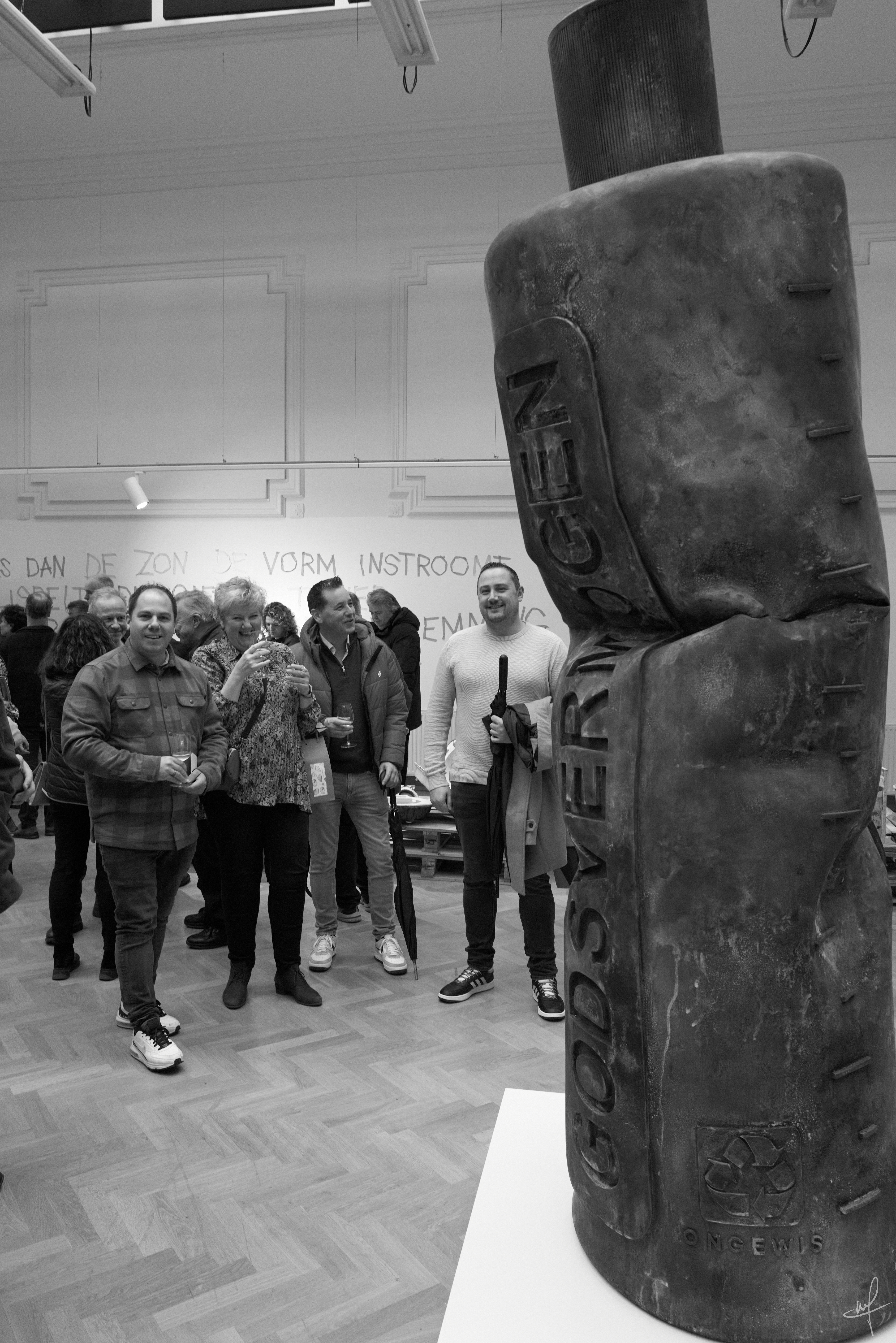
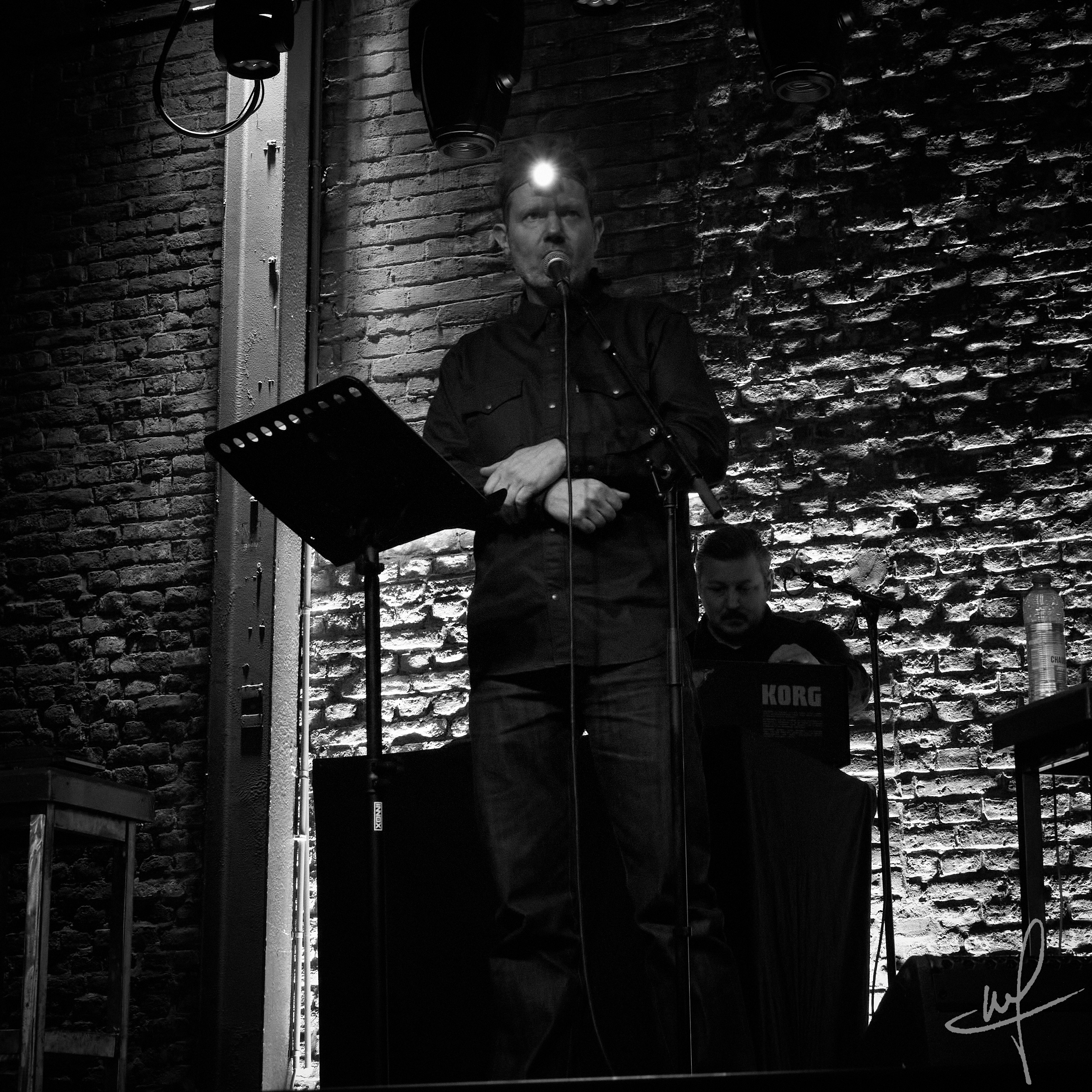
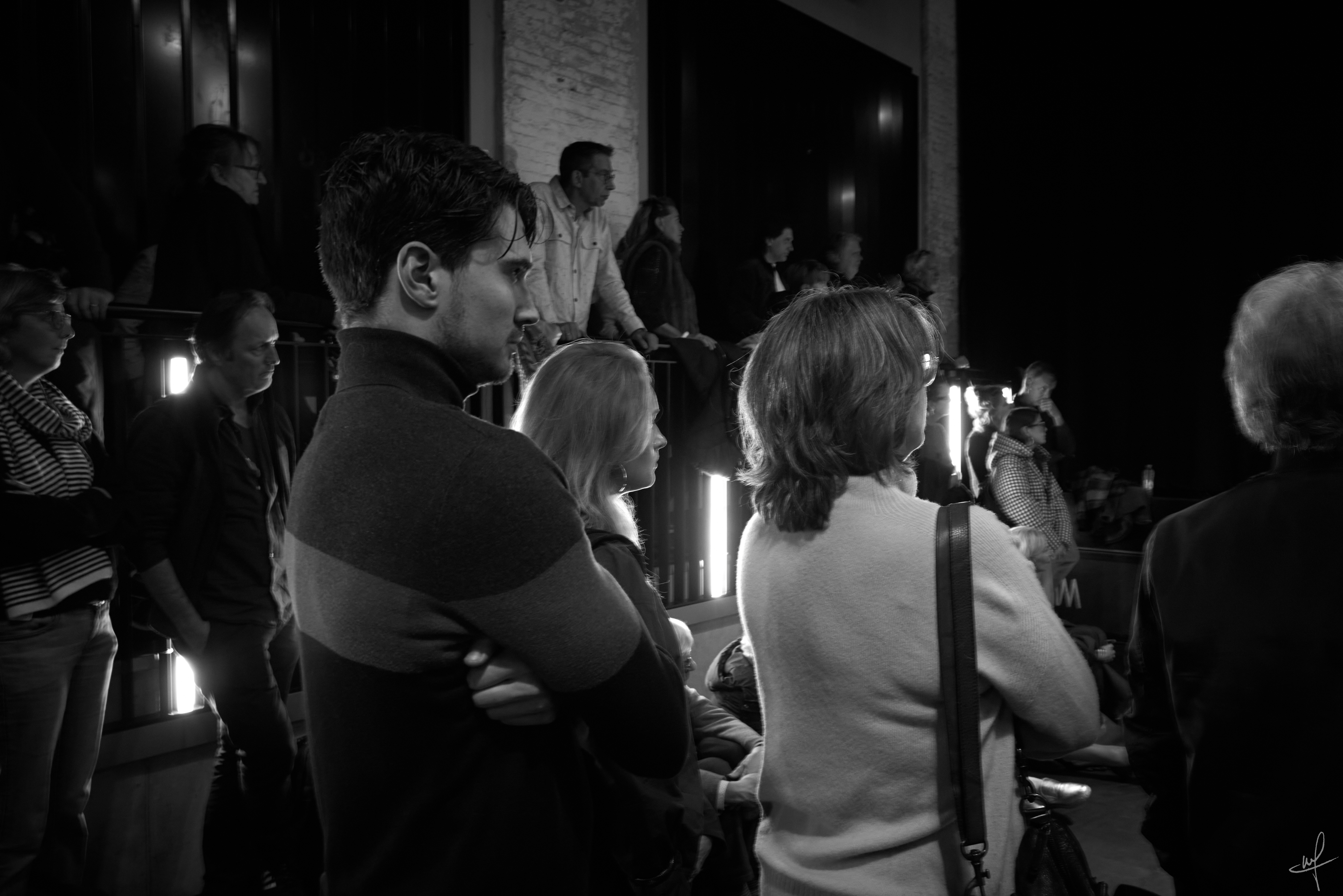
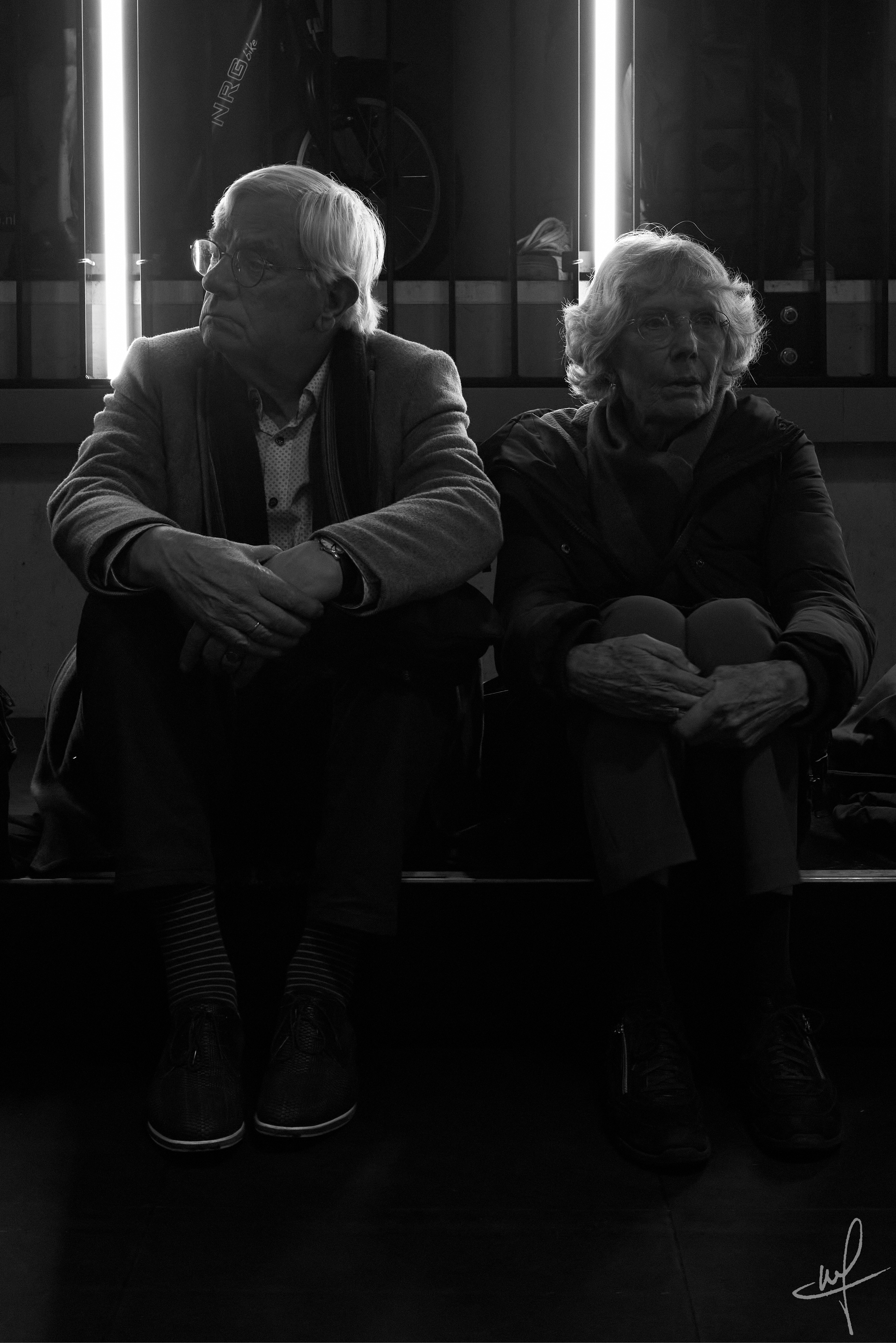
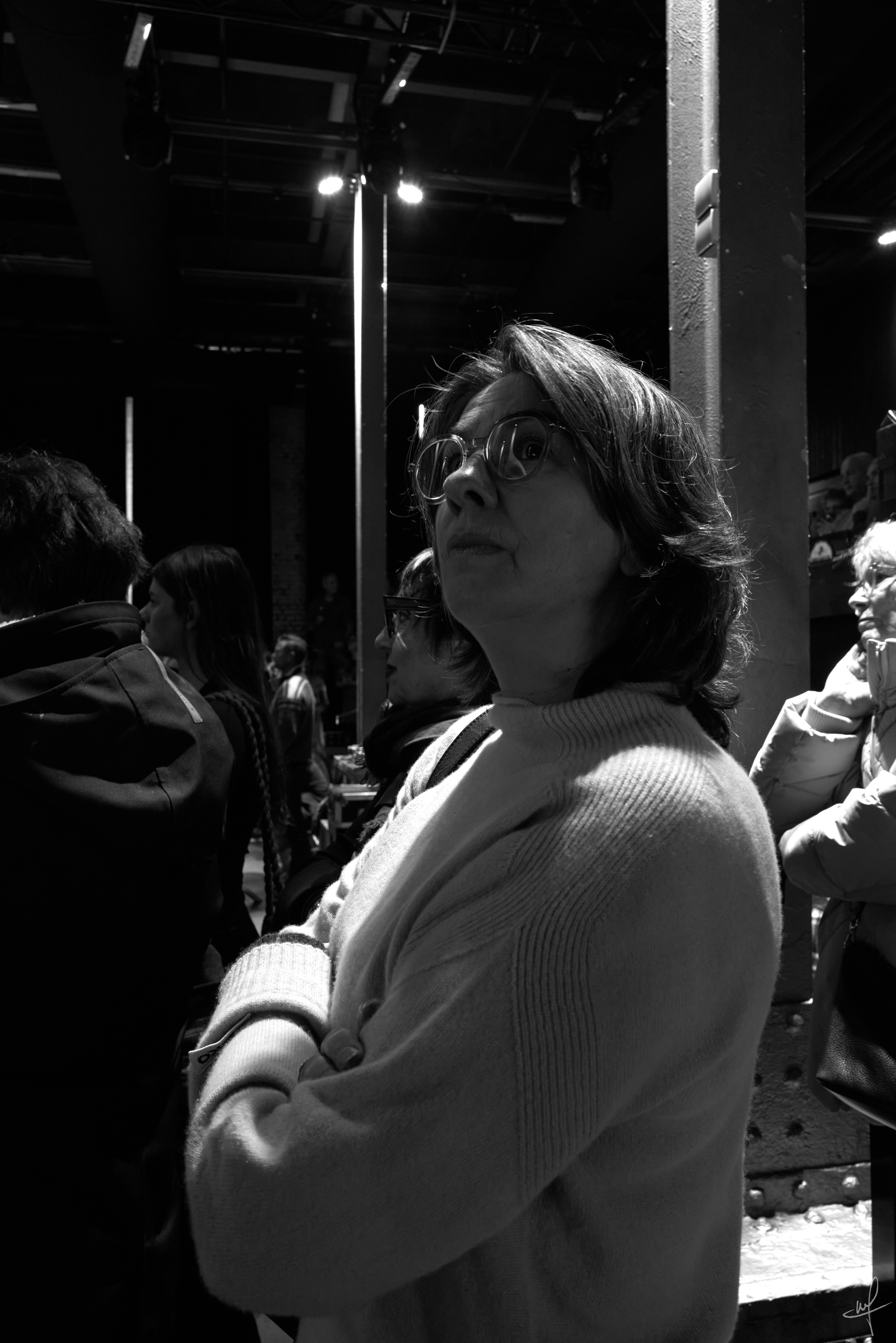
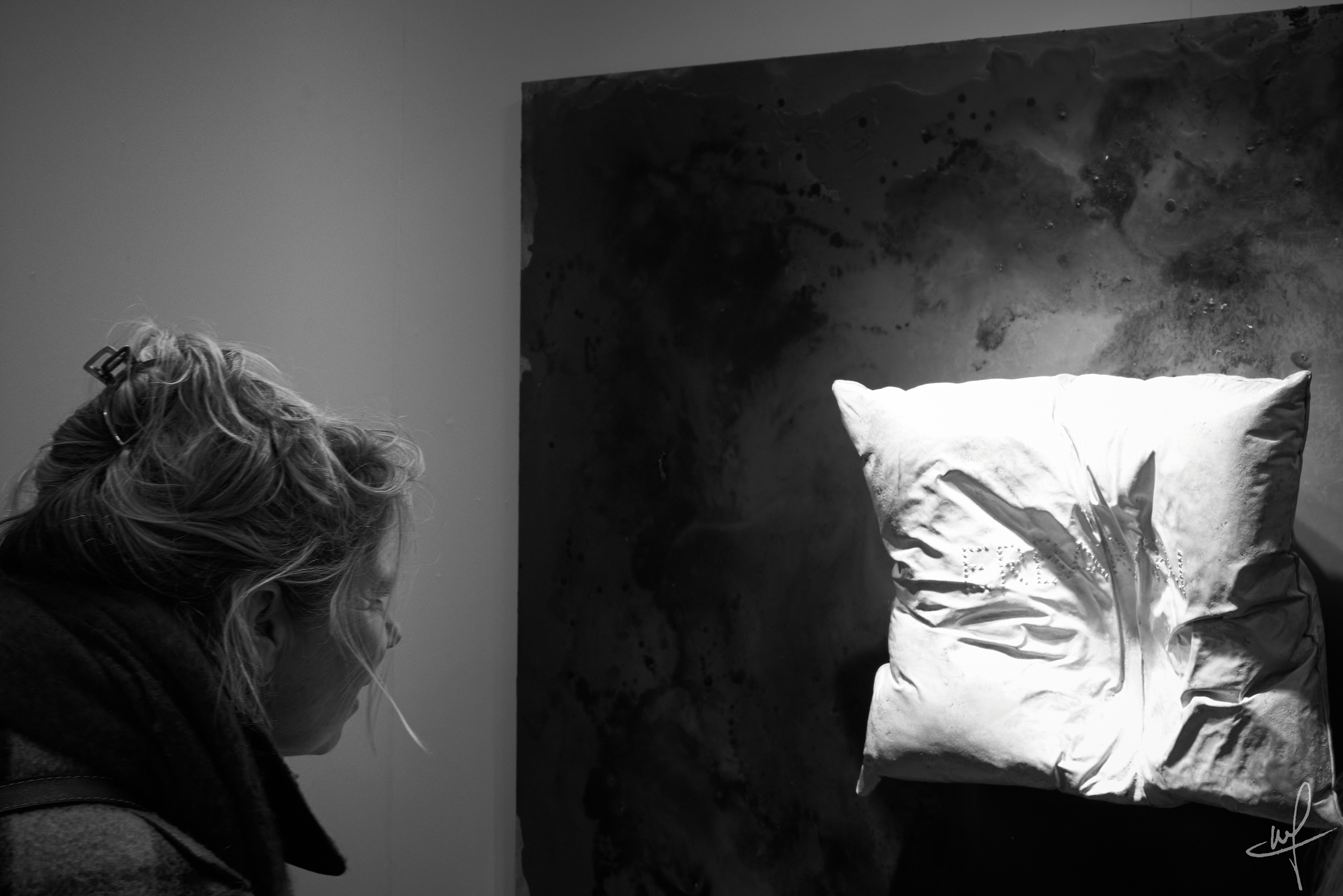
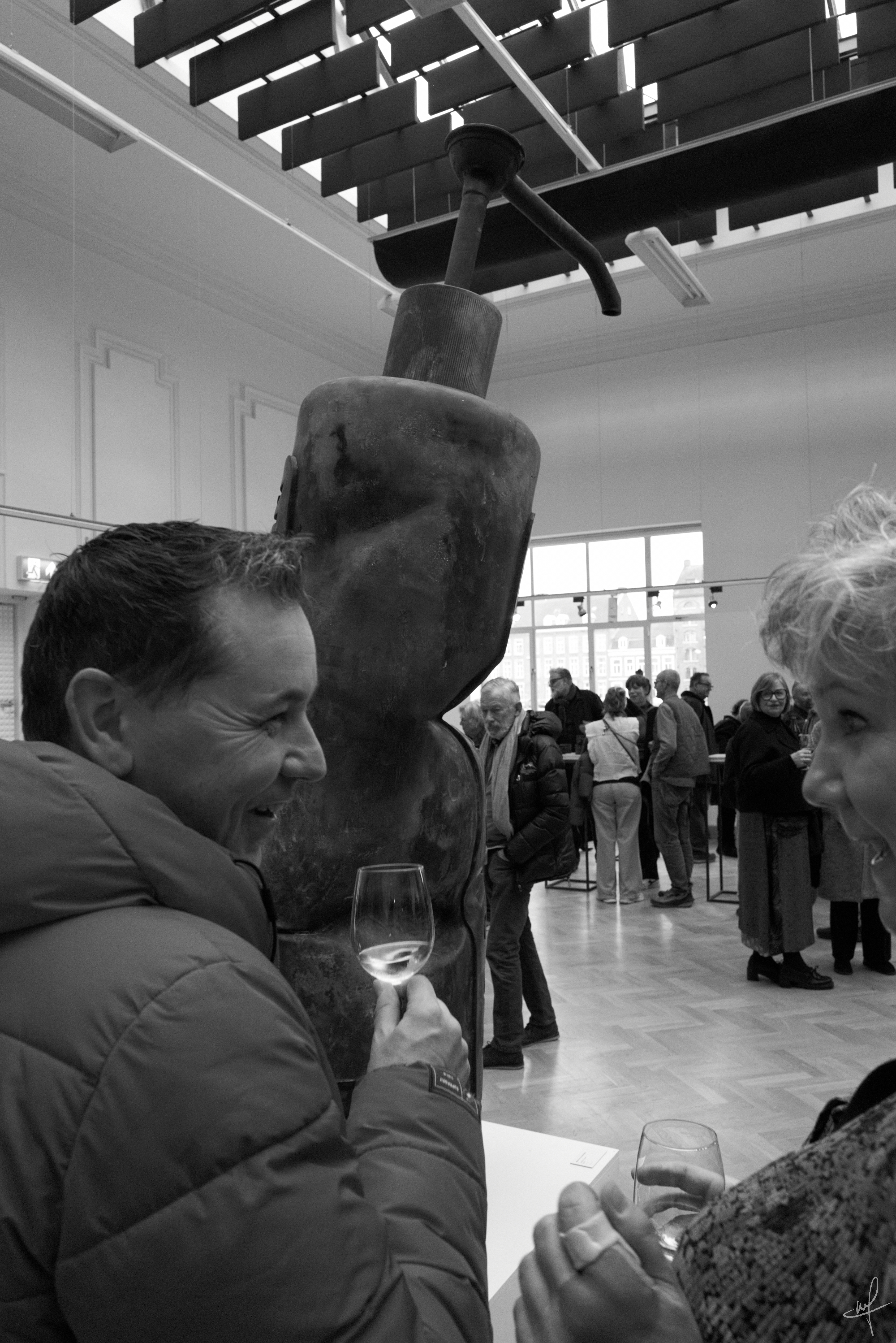
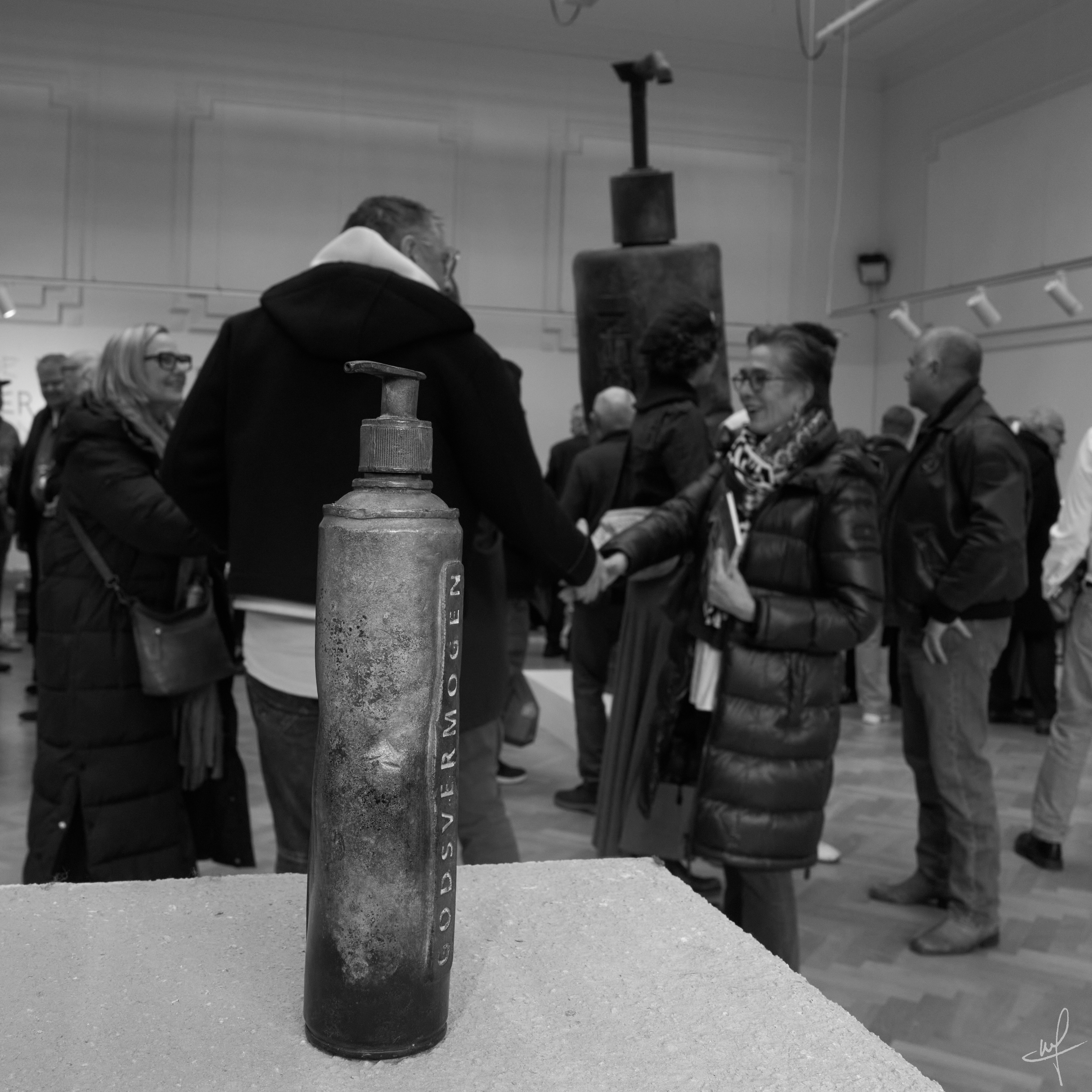
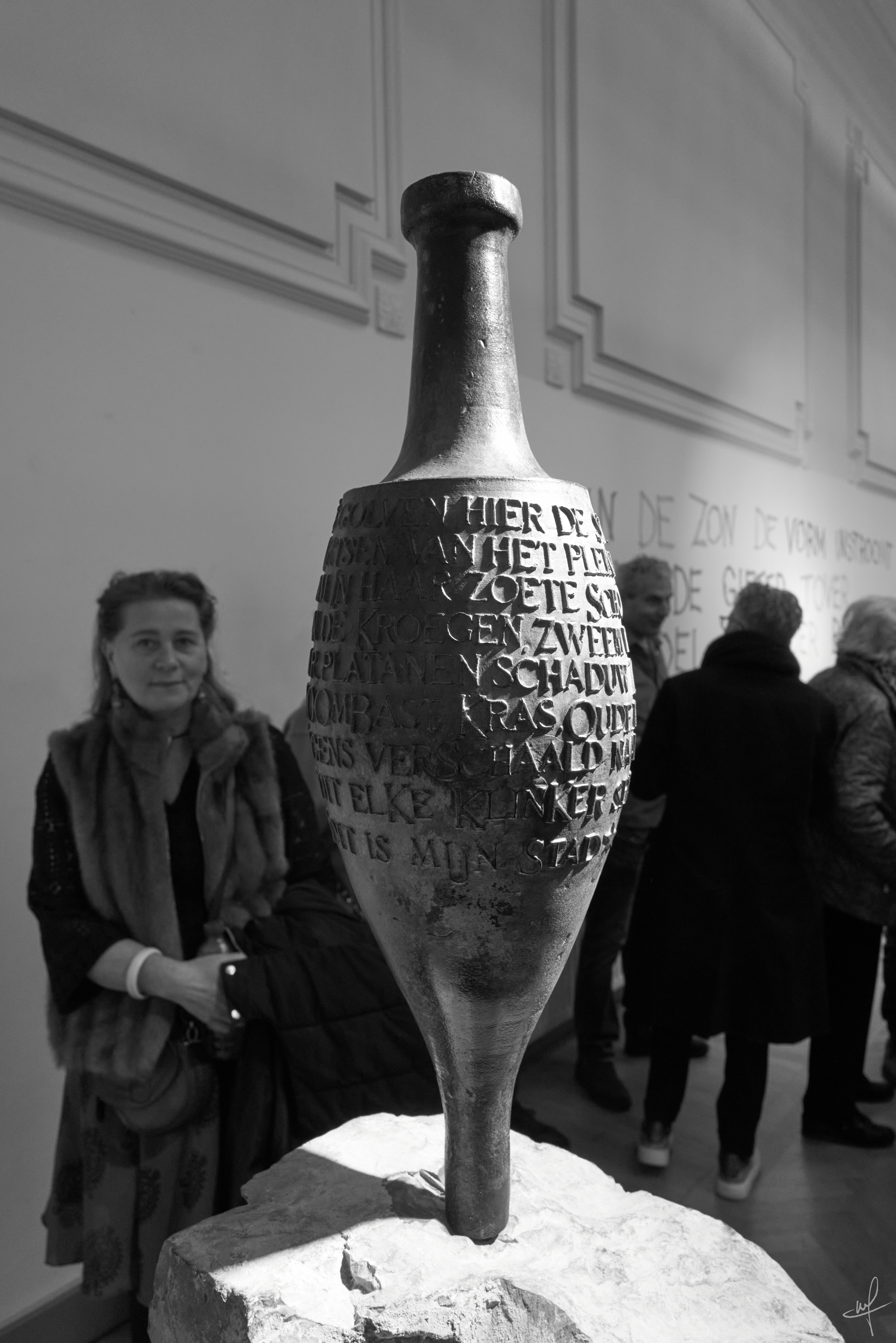
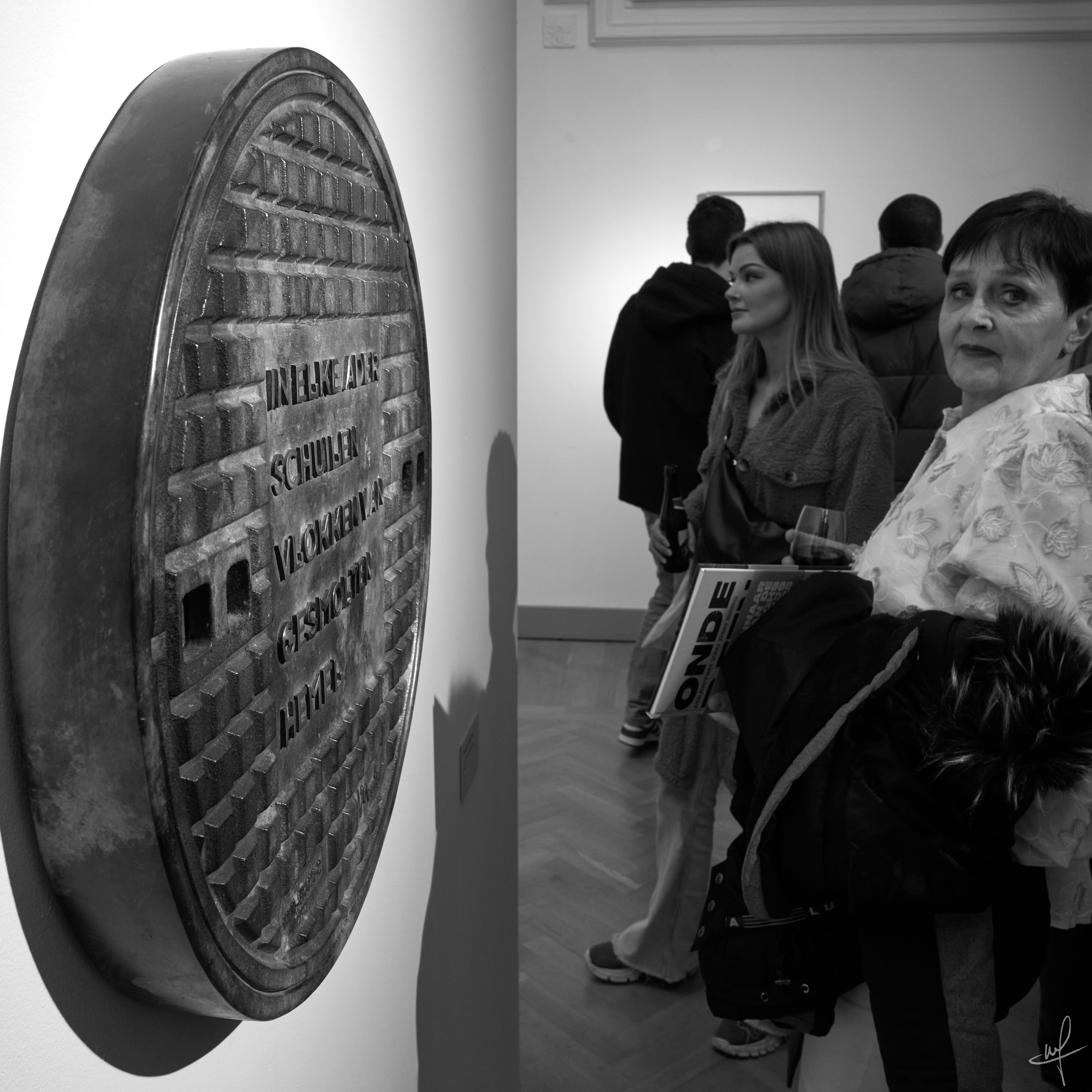
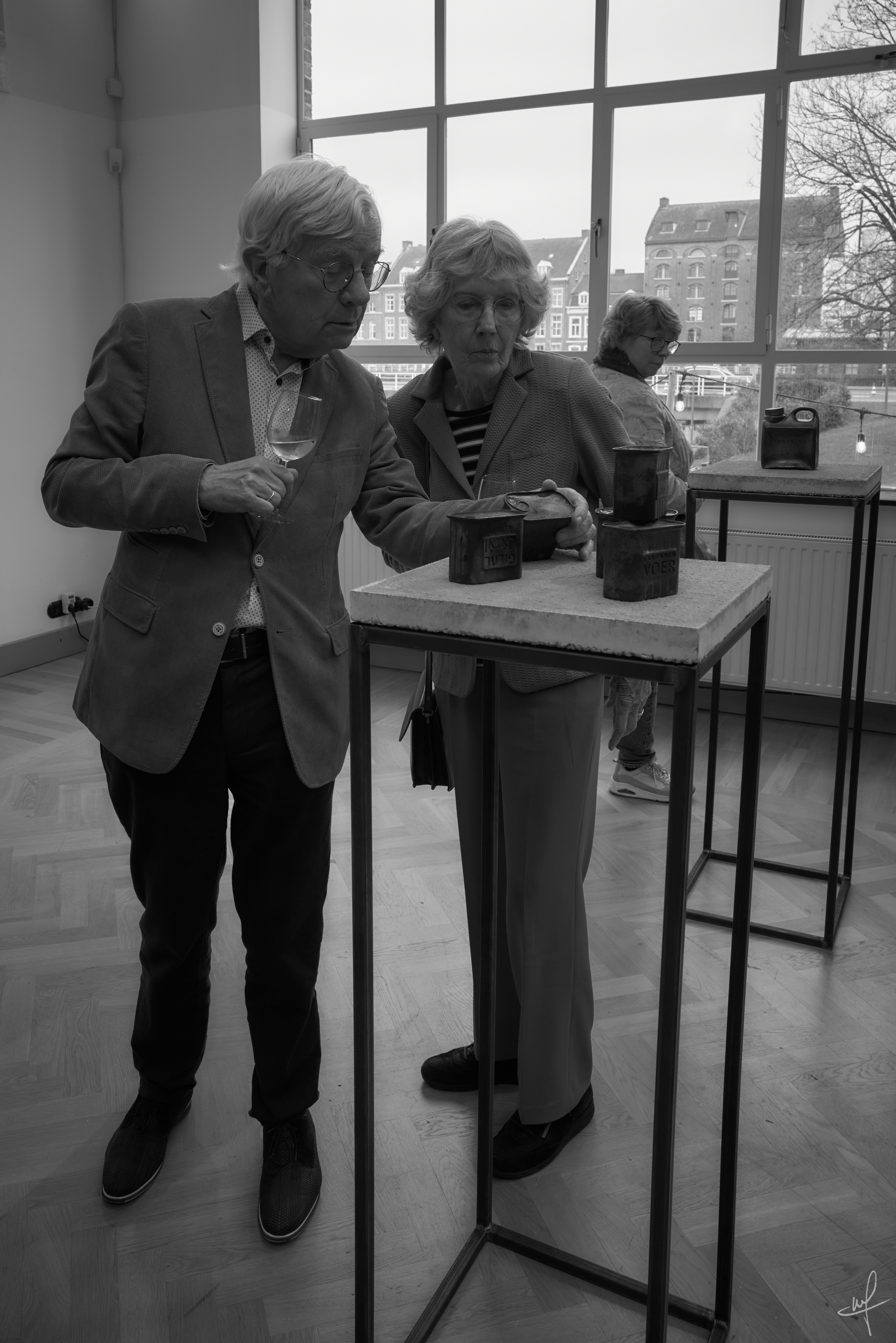
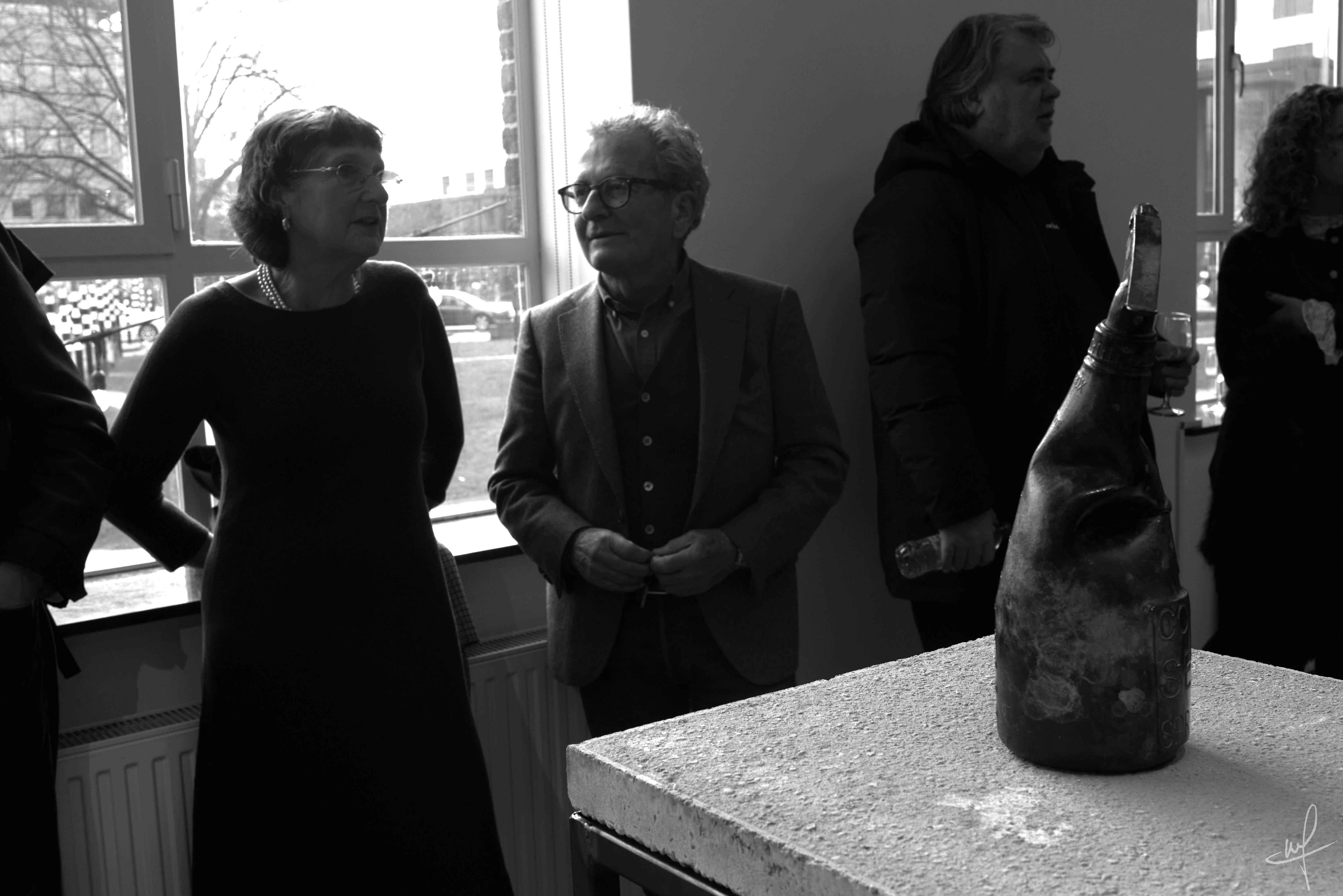
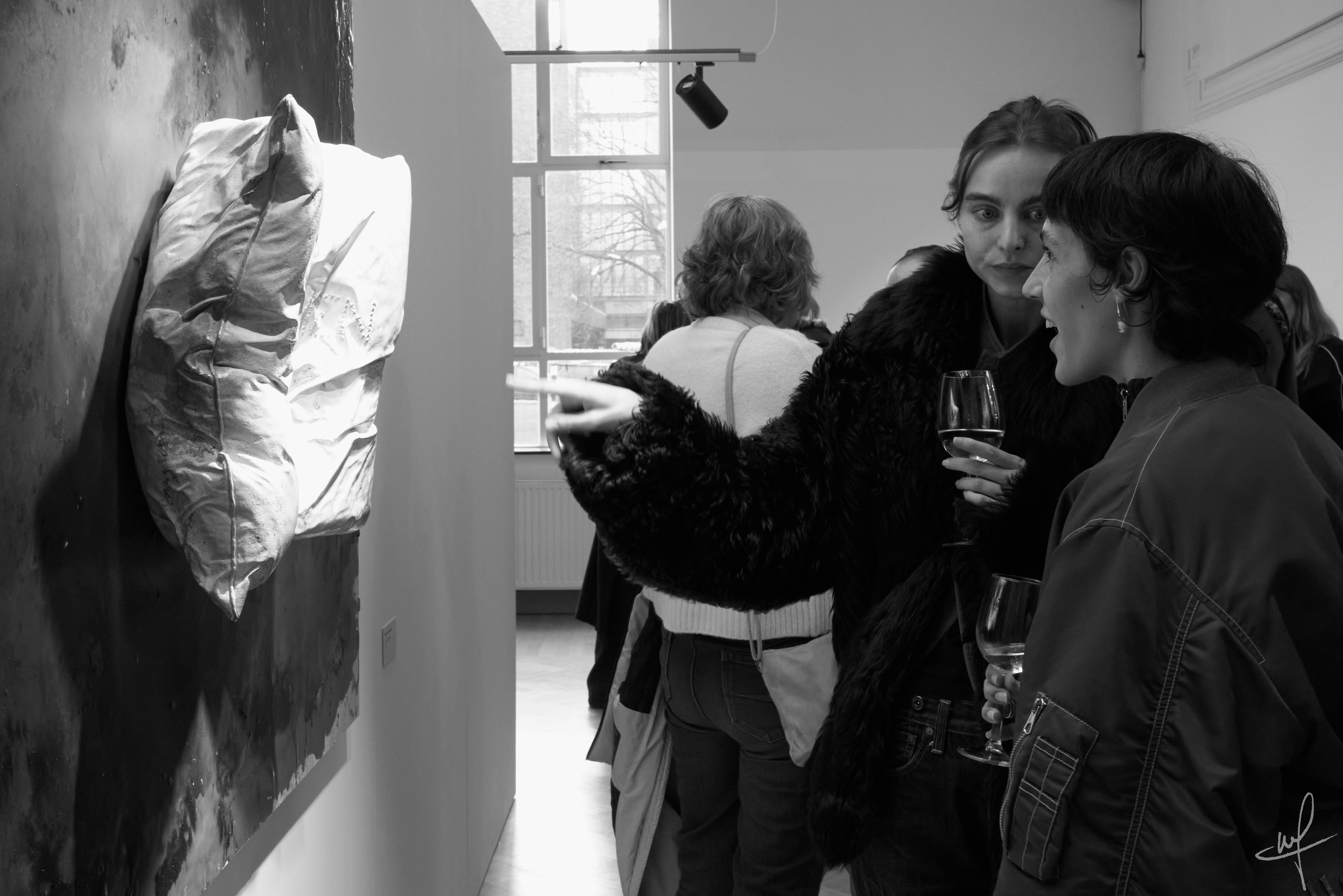
Amazing opening of the exposition for friends, family and poetic souls.
Find Maarten on instagram.Maastricht, December 2025
-
Socrates… as performer
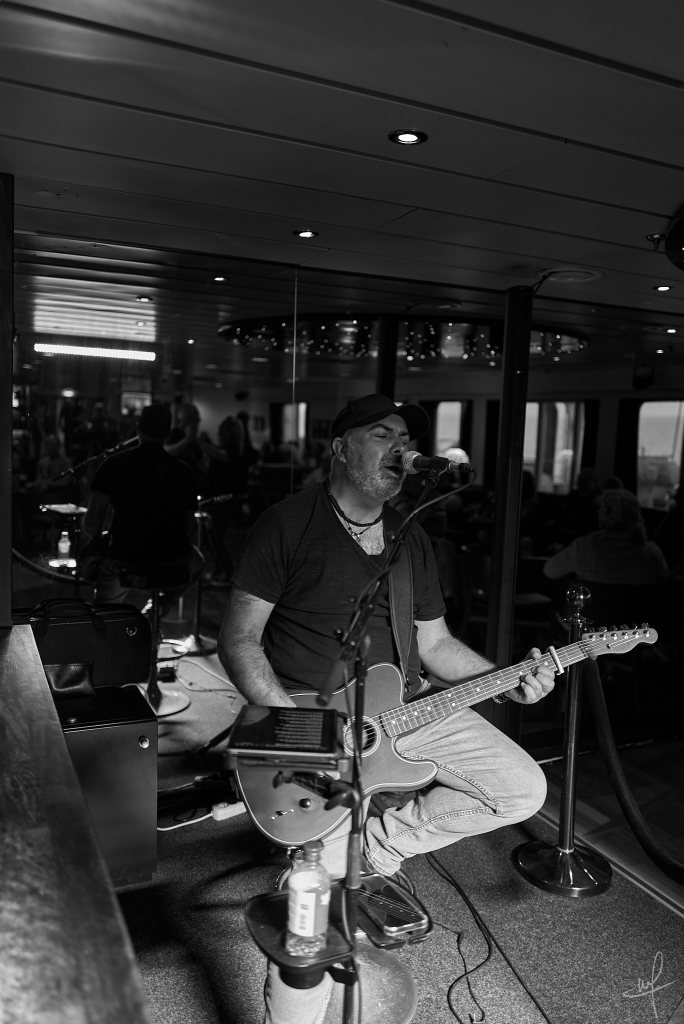
On our ferry back from Scotland, we really enjoyed our night with Socrates.
Obviously not the long deceased philosopher (more on that below the pics), but a really great Greek professional performer of pop music.All night, every single song was pitch perfect and sing along worthy.


If you want to read up on the classic Socrates without nodding off: Plato and a platypus walk into a bar is a really funny book that explains philosophical concepts with jokes. Here’s an example from that little book.
Deductive Logic
Deductive logic reasons from the general to the particular. The bare-bones deductive argument is the syllogism “All men are mortal; Socrates is a man; therefore, Socrates is a mortal.” It’s amazing how often people screw this up and argue something like, “All men are mortal; Socrates is mortal; therefore, Socrates is a man,” which doesn’t logically follow. That would be like saying, “All men are mortal; my kid’s hamster is mortal; therefore, my kid’s hamster is a man.”Another way to screw up a deductive argument is by arguing from a false premise.
An old cowboy goes into a bar and orders a drink. As he sits there sipping his whiskey, a young lady sits down next to him. She turns to the cowboy and asks him, “Are you a real cowboy?” He replies, “Well, I’ve spent my whole life on the ranch, herding horses, mending fences, and branding cattle, so I guess I am.”
She says, “I’m a lesbian. I spend my whole day thinking about women. As soon as I get up in the morning, I think about women. When I shower or watch TV, everything seems to make me think of women.”
A little while later, a couple sits down next to the old cowboy and asks him, “Are you a real cowboy?” He replies, “I always thought I was, but I just found out I’m a lesbian.”
But our pop music performer, also called Socrates has spent the better part of 30 years entertaining people with his golden oldies, which he performs on ferries and other places, where people sing along with his beautiful voice, great guitar work and simple chorus added every now and then with his pedal, as well as the occasional drum track. Songs stolen with pride, I’d say, and extremely well performed.
(contact me for his email if you’re interested)
Somewhere between Newcastle and IJmuiden, july 2025
-
Ooops Up
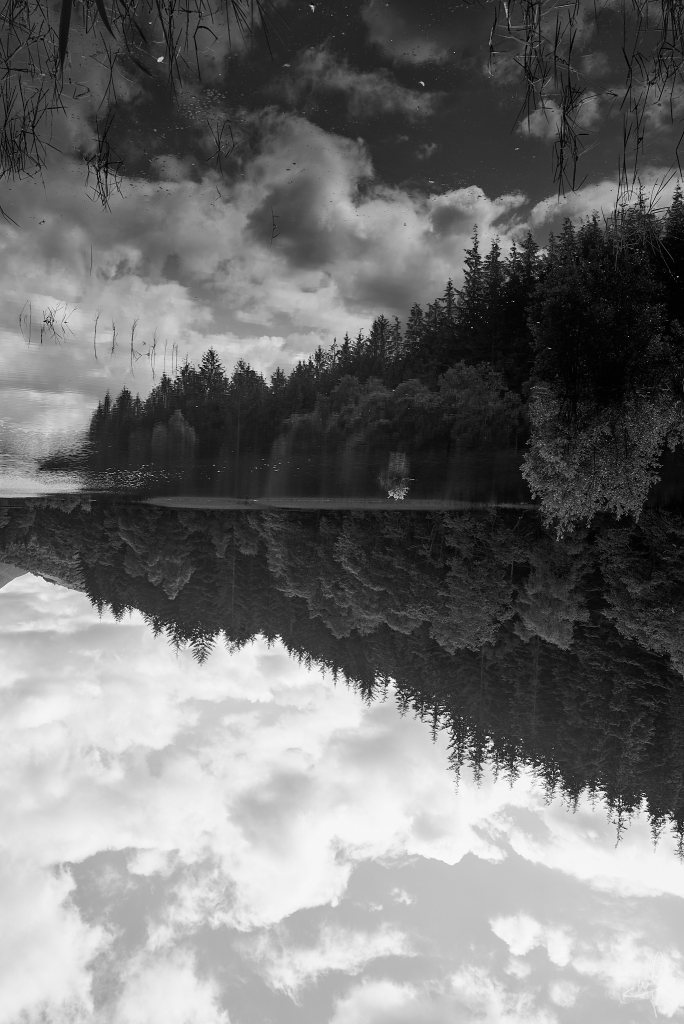
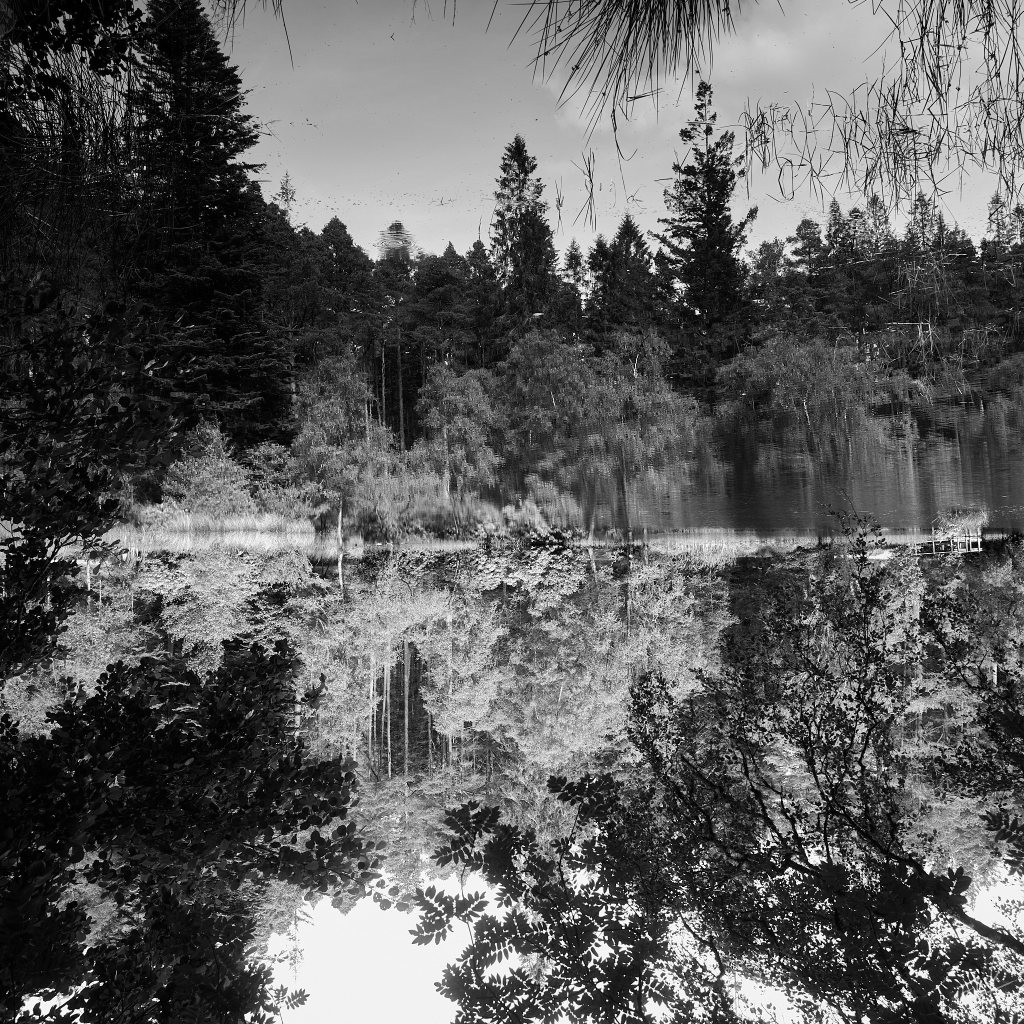
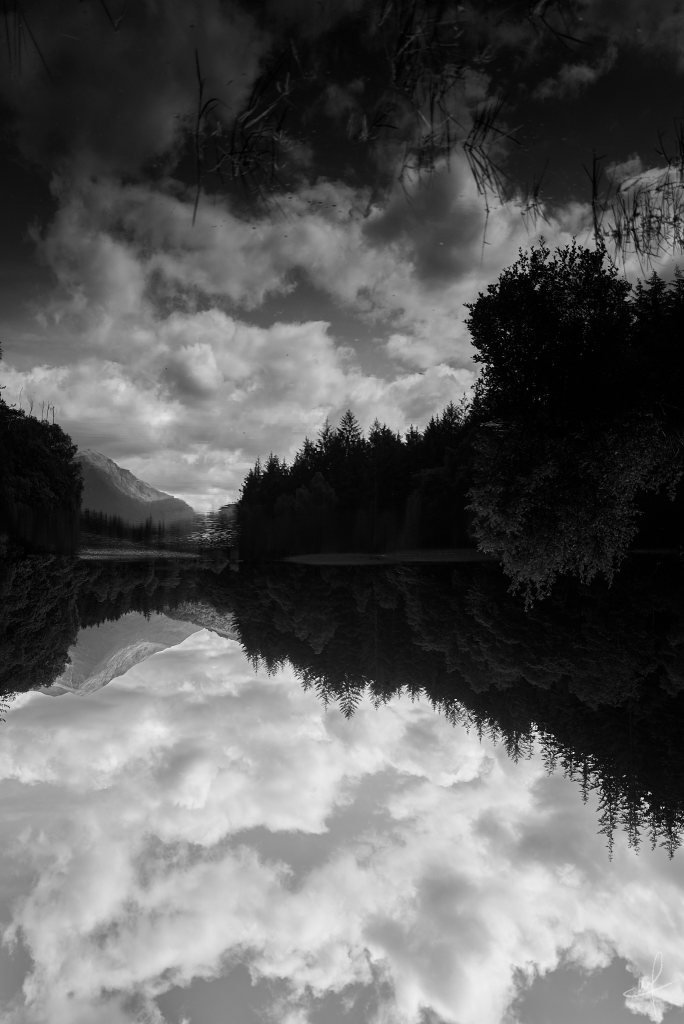
Had some leftover pics from Glen Lochan Looking at google maps, the glen (valley) seems to be void of water, where it’s more a loch (lake) right now. In any case, finding a spot where the water doesn’t ripple, makes for great oops upside your head pictures.
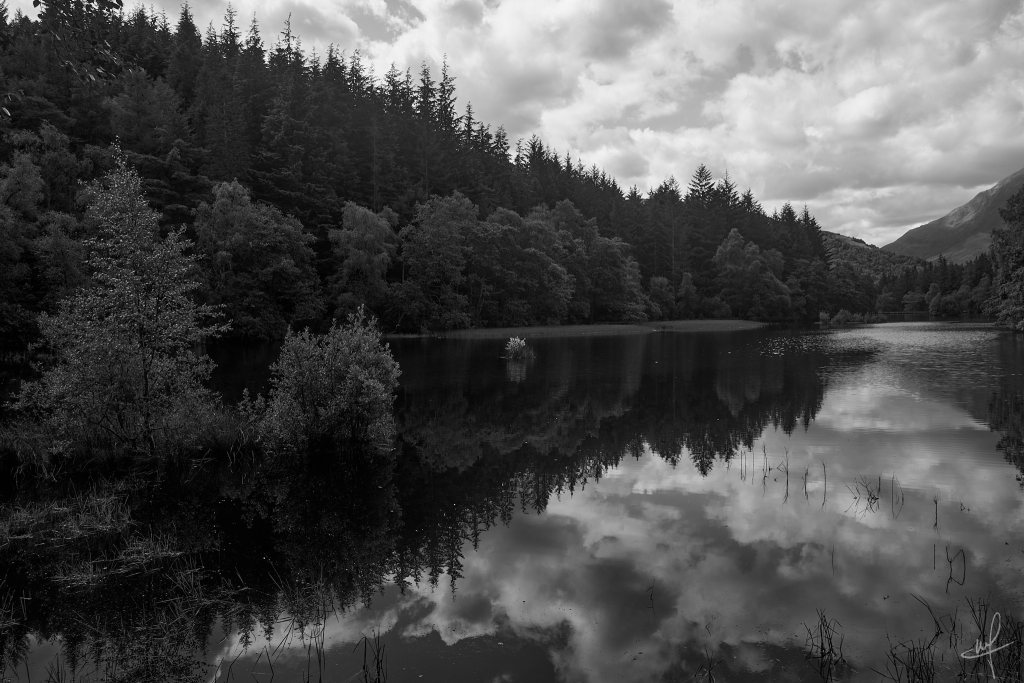
But seriously, it’s a wonderful walk. When you park your car, note there’s two ways to get to the glen, one takes you 110m up and down, the other is level. The climb is nice, but the view is not the only thing that will take your breath away.
Scotland, july 2025
-
IV. RANNOCH, BY GLENCOE
by T. S. Eliot
Here the crow starves, here the patient stag
Breeds for the rifle. Between the soft moor
And the soft sky, scarcely room
To leap or soar. Substance crumbles, in the thin air
Moon cold or moon hot. The road winds in
Listlessness of ancient war,
Langour of broken steel,
Clamour of confused wrong, apt
In silence. Memory is strong
Beyond the bone. Pride snapped,
Shadow of pride is long, in the long pass
No concurrence of bone.
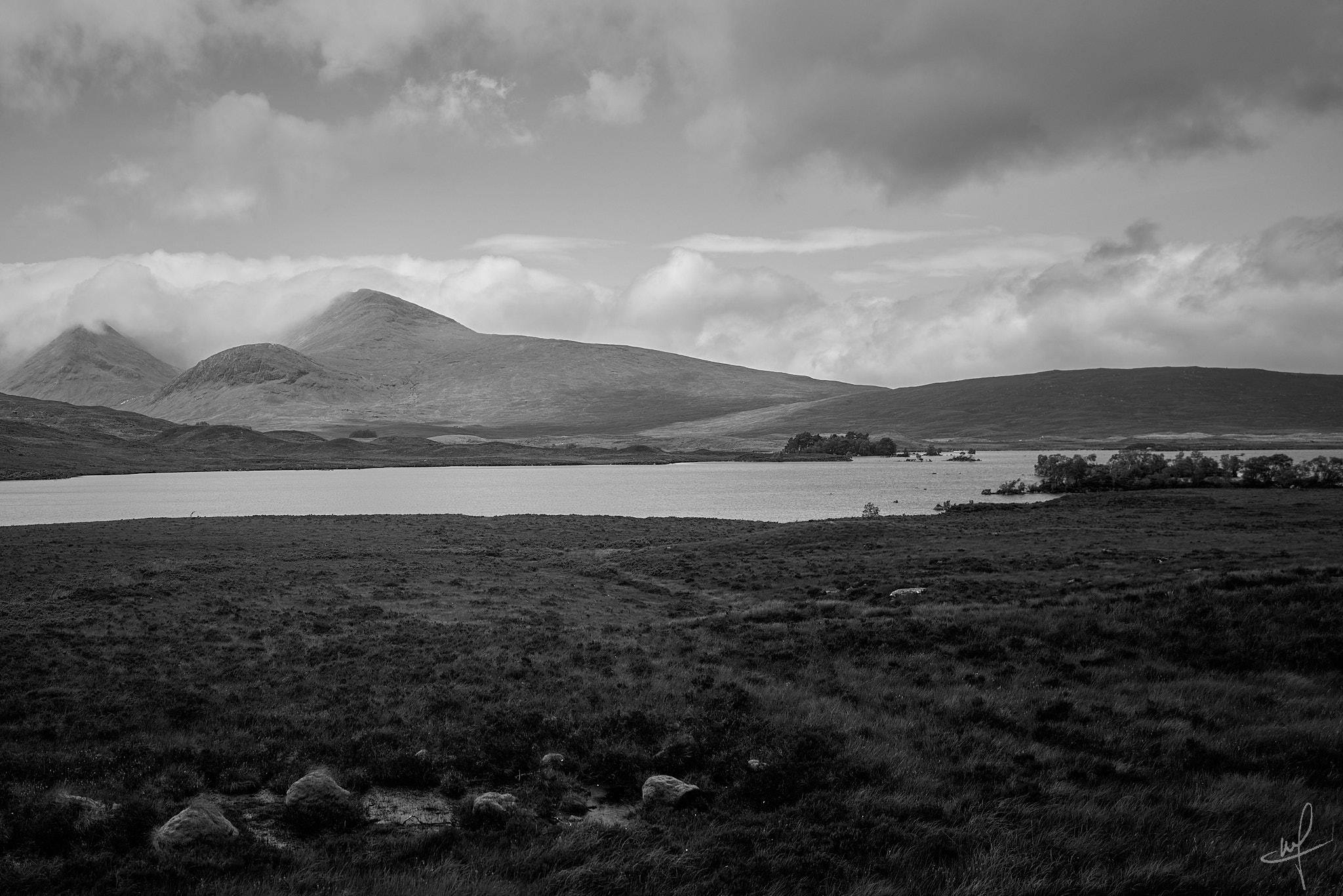
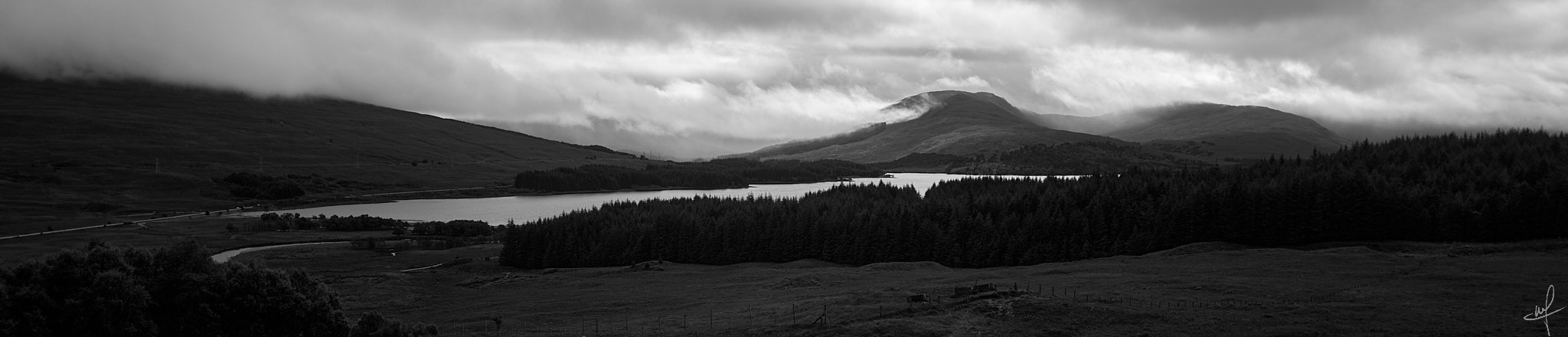
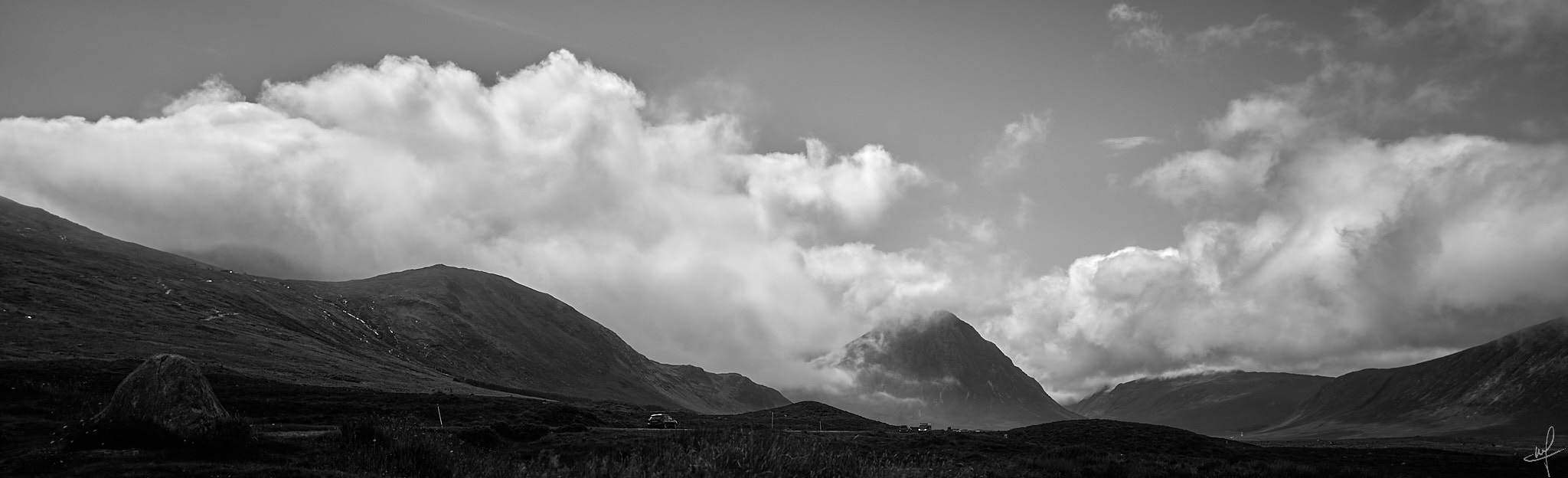
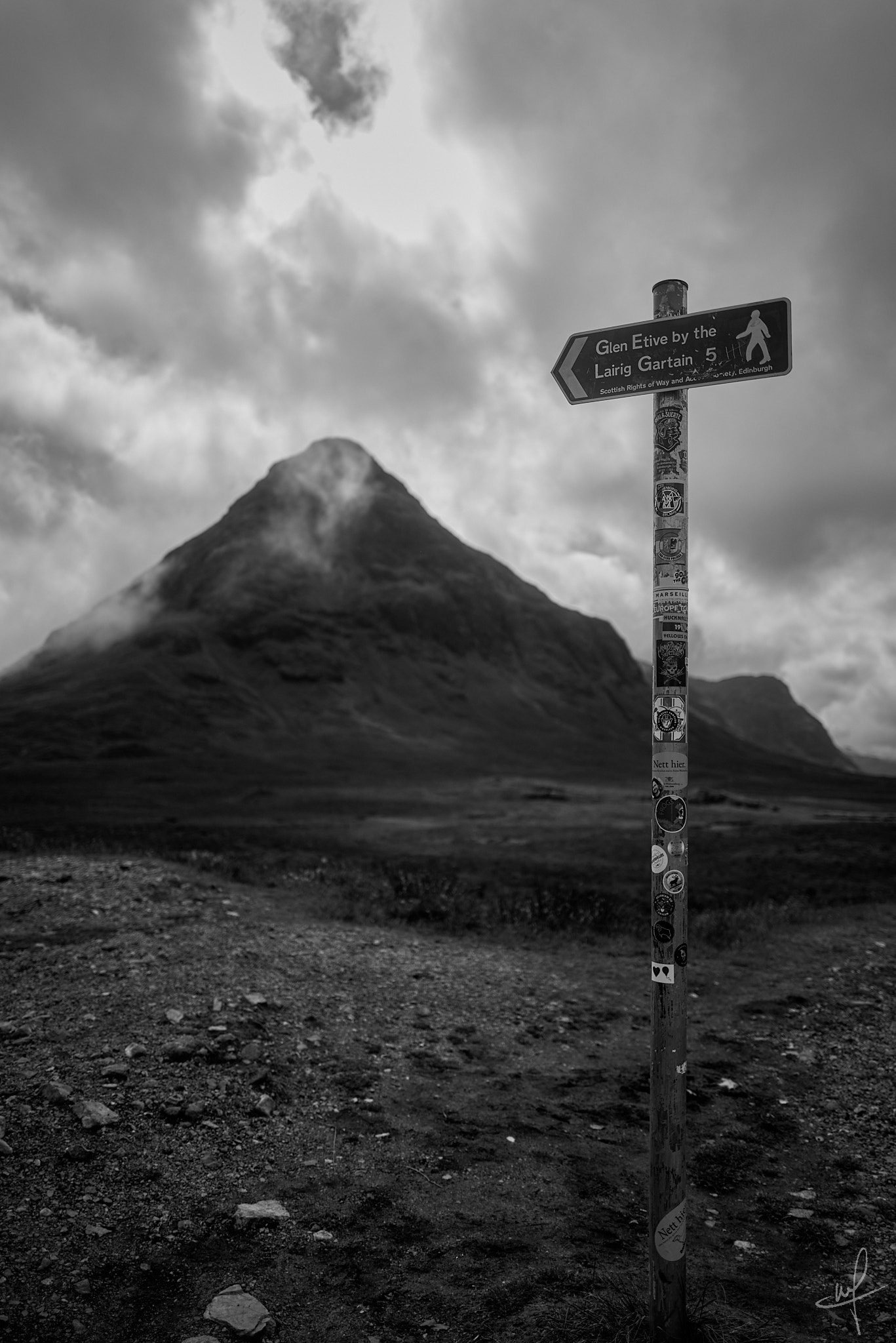
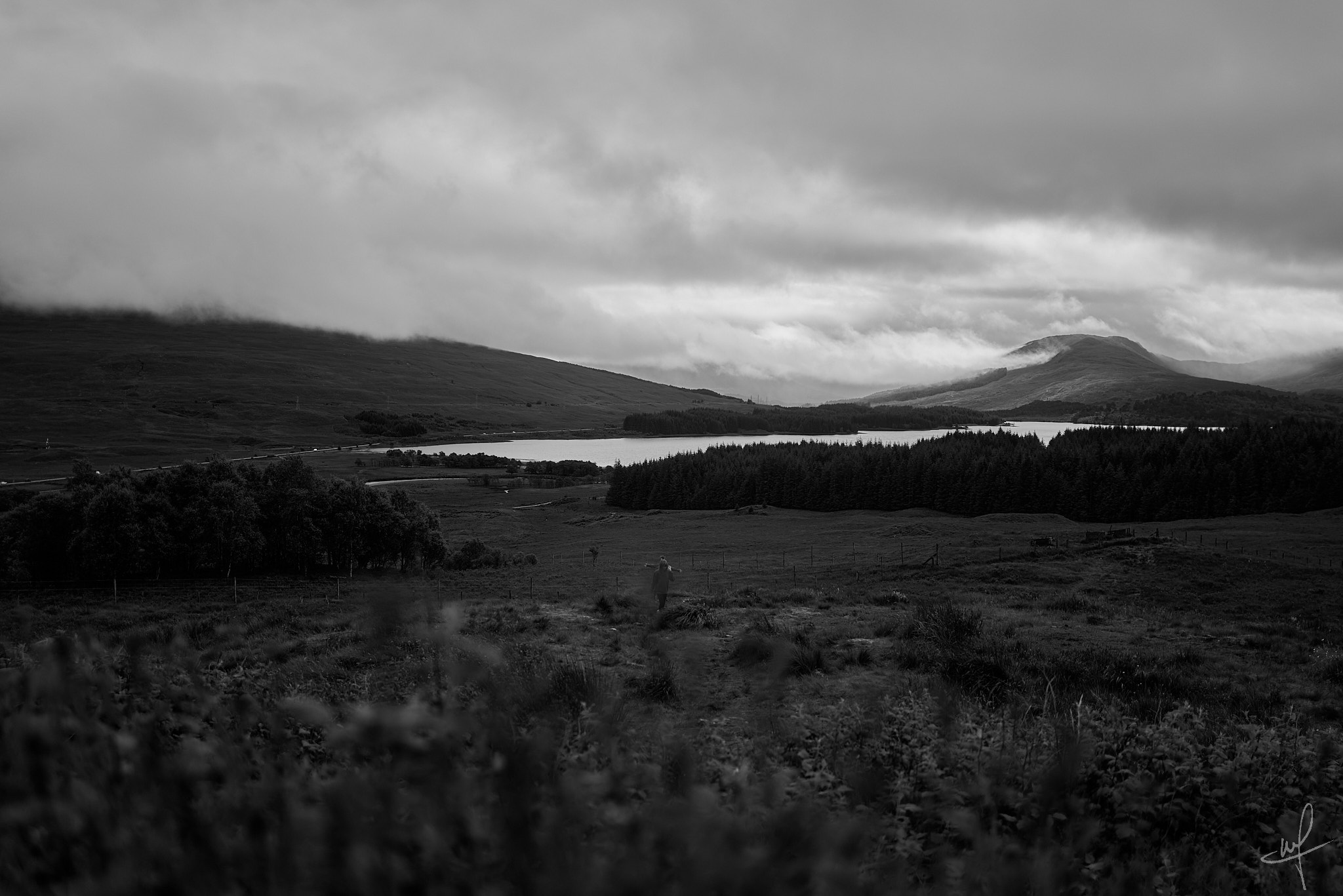
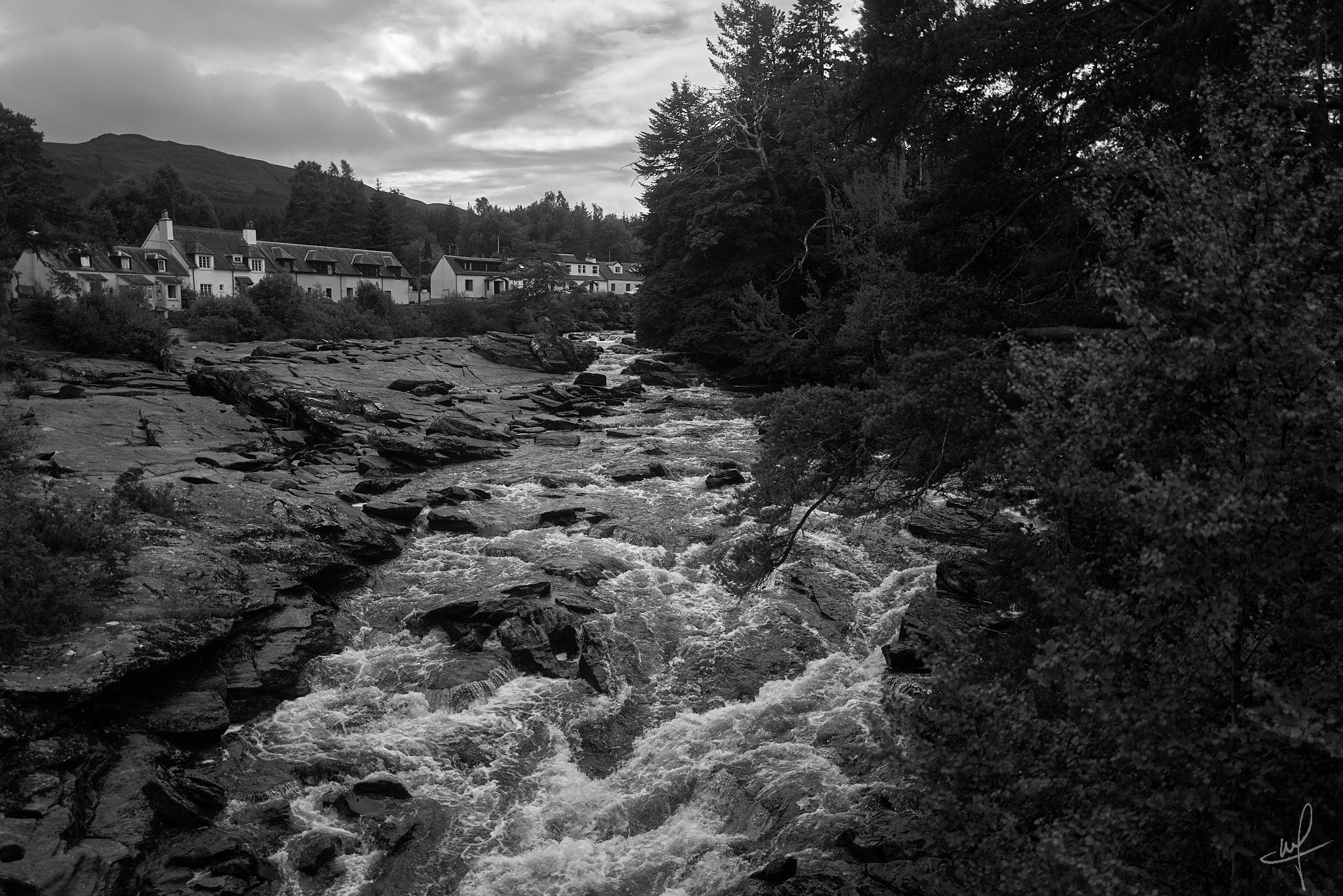
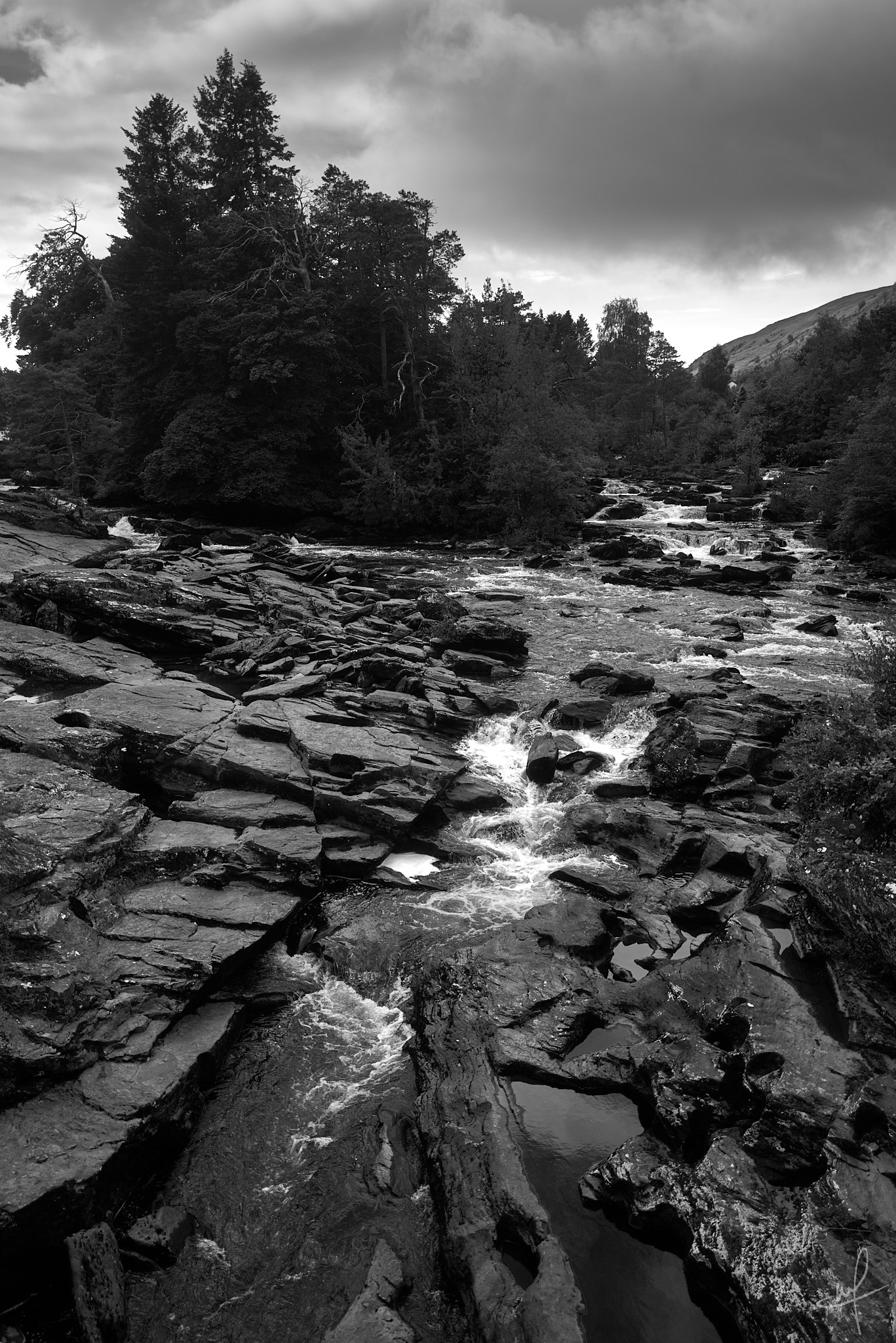
My favourite poem, by T.S. Elliot took a lit night to decypher, so I can’t expect any of the occasional visitors to understand any of the above.
In case you are intrigued, it aptly describes the eerie landscape where the skies are so low, there’s no place for the deer stags to even jump while they’re running (from the hunting rifles). The moor is soft I can attest. The skies are low here.
The remaining part of the poem describes the brutal Massacre of Glencoe where the MacDonald of Glencoe clan were butchered to set an example for not pledging allegiance to the new monarchs. The broken steel seems a reference to unlikely folklore of soldiers breaking their swords instead of following orders their orders, which turned up in a Edinburgh tavern a month later and were published in the Paris Gazette.
Line by line explanation (by ChatGPT)
Here the crow starves, here the patient stag
This opening establishes a bleak, unforgiving landscape. The crow—often a symbol of death or scavenging—finds nothing to eat, suggesting lifelessness or desolation. Meanwhile, the stag, a traditional symbol of grace and nobility, is described as patient, waiting—unknowingly—for death at the hands of a hunter. It sets up a world ruled not by vitality, but slow decay and impending violence.
Breeds for the rifle. Between the soft moor
The stag’s natural act of reproduction becomes an offering to the human-made violence of the rifle. “Breeds for the rifle” is a cruel irony—the animal unknowingly sustains the very system that will destroy it. The “soft moor” suggests beauty and tranquillity on the surface, but it is deceptive—it’s a landscape indifferent to life and death.
And the soft sky, scarcely room
The repetition of soft (moor and sky) underscores the illusion of gentleness in this environment. Yet, between these two elements, Eliot says, there’s scarcely room—which suggests a claustrophobic spiritual space, a tension. It also points to a kind of metaphysical compression: not enough room for transcendence or escape.
To leap or soar. Substance crumbles, in the thin air
Neither animal nor spirit can break free—leaping (earthly) or soaring (spiritual) is constrained. “Substance crumbles” evokes disintegration of both the physical (rocks, body) and metaphysical (faith, identity). The “thin air” (possibly both literal altitude and figurative spiritual barrenness) makes survival and solidity impossible.
Moon cold or moon hot. The road winds in
This phrase suggests an eerie emotional atmosphere—moon cold could imply detachment or sterility, while moon hotmight hint at lunacy or passion, both alien and otherworldly. The winding road that enters the landscape seems endless, meandering—not toward purpose, but through entropy and emotional fatigue.
Listlessness of ancient war,
Eliot now explicitly names ancient war—its aftermath hangs in the air. But it’s not a triumphant history, just listlessness—the dull, ongoing malaise of a land long wounded. He invokes not victory or resolution, but weariness that outlives conflict.
Langour of broken steel,
Even the weapons of war lie broken. Langour—slowness, weakness—suggests a state of decline. Broken steel evokes not only failed conflict but failed ideals, shattered ambitions. There’s no power here, only the rusting remains.
Clamour of confused wrong, apt
The violence that remains is not noble or just—it is confused wrong, injustice without clarity or honour. Yet Eliot says it is apt—fitting for the place. Violence and injustice belong here as naturally as mist on the hills.
In silence. Memory is strong
The paradox: clamour gives way to silence, but the memory of the confusion lingers powerfully. Silence here is not peace, but suppression—buried trauma. The land remembers what was done on it, even if no one speaks of it.
Beyond the bone. Pride snapped,
Memory lives deeper than flesh—it is beyond the bone. Pride, a once-structural trait of the self or a people, has snapped—been broken, possibly by war, defeat, or betrayal. It’s a spiritual break, not just emotional.
Shadow of pride is long, in the long pass
Though pride itself has died, its shadow endures—its consequences linger like ghosts. The long pass (possibly literal, like Rannoch Moor or Glencoe itself) becomes a metaphor for endurance: the drawn-out trail of memory, guilt, and unspoken loss.
No concurrence of bone.
The final line offers no redemption. No concurrence of bone means no unity, no peace among the dead. Even in death, those who died here are not aligned—no shared cause, no collective rest. It’s a chilling, poetic summation of disintegration, where even the skeletons lie in discord.
Rannoch moor, Glencoe, and Killin falls, july 2025
-
Auld Reekie
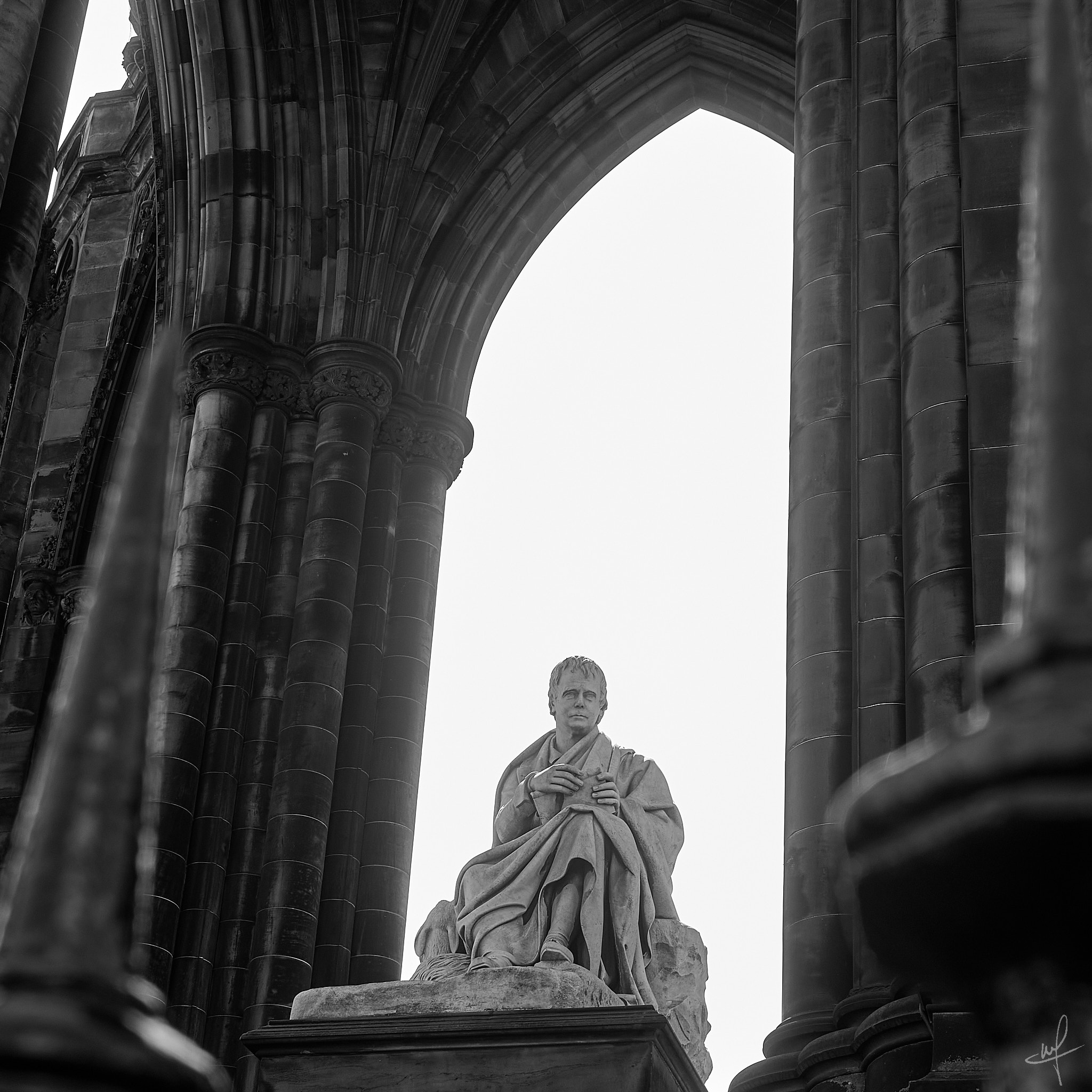
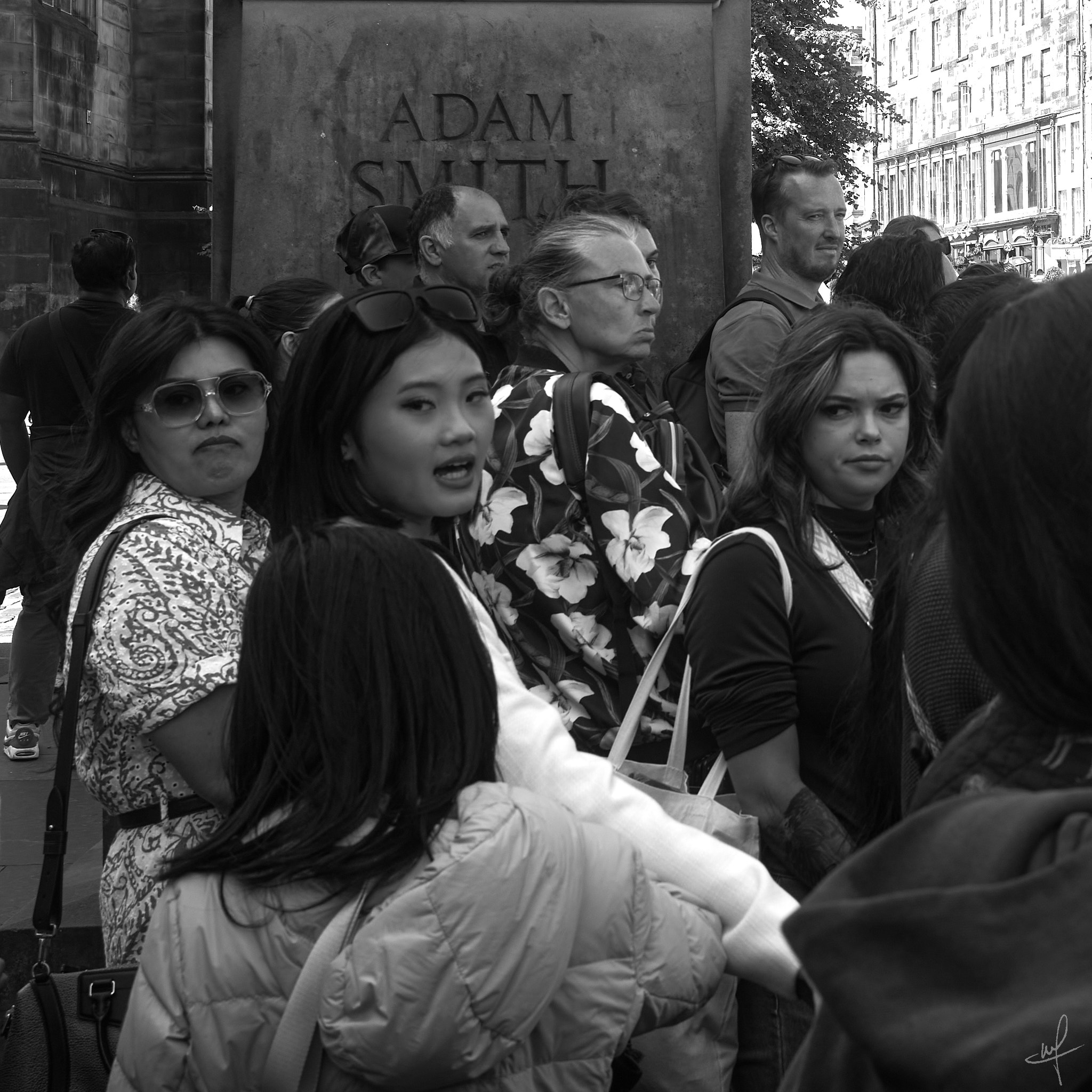
Spending some days in Edinburgh, liking the vibe, helped by excellent a delicious mix of visiting cultures. and great weather conditions. Throughly enjoyed the literary pub tour.
(Click any of the images to open the gallery carrousel)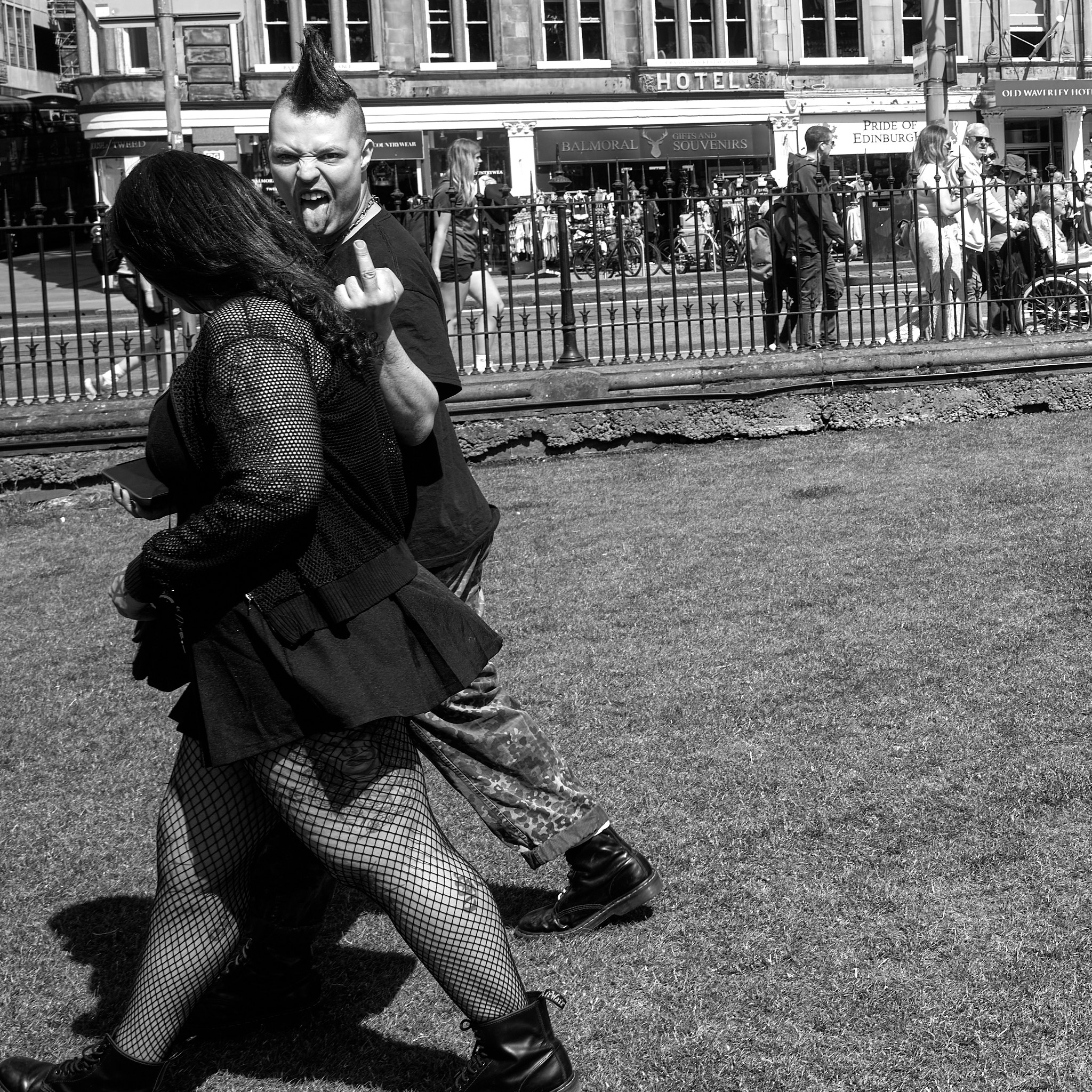

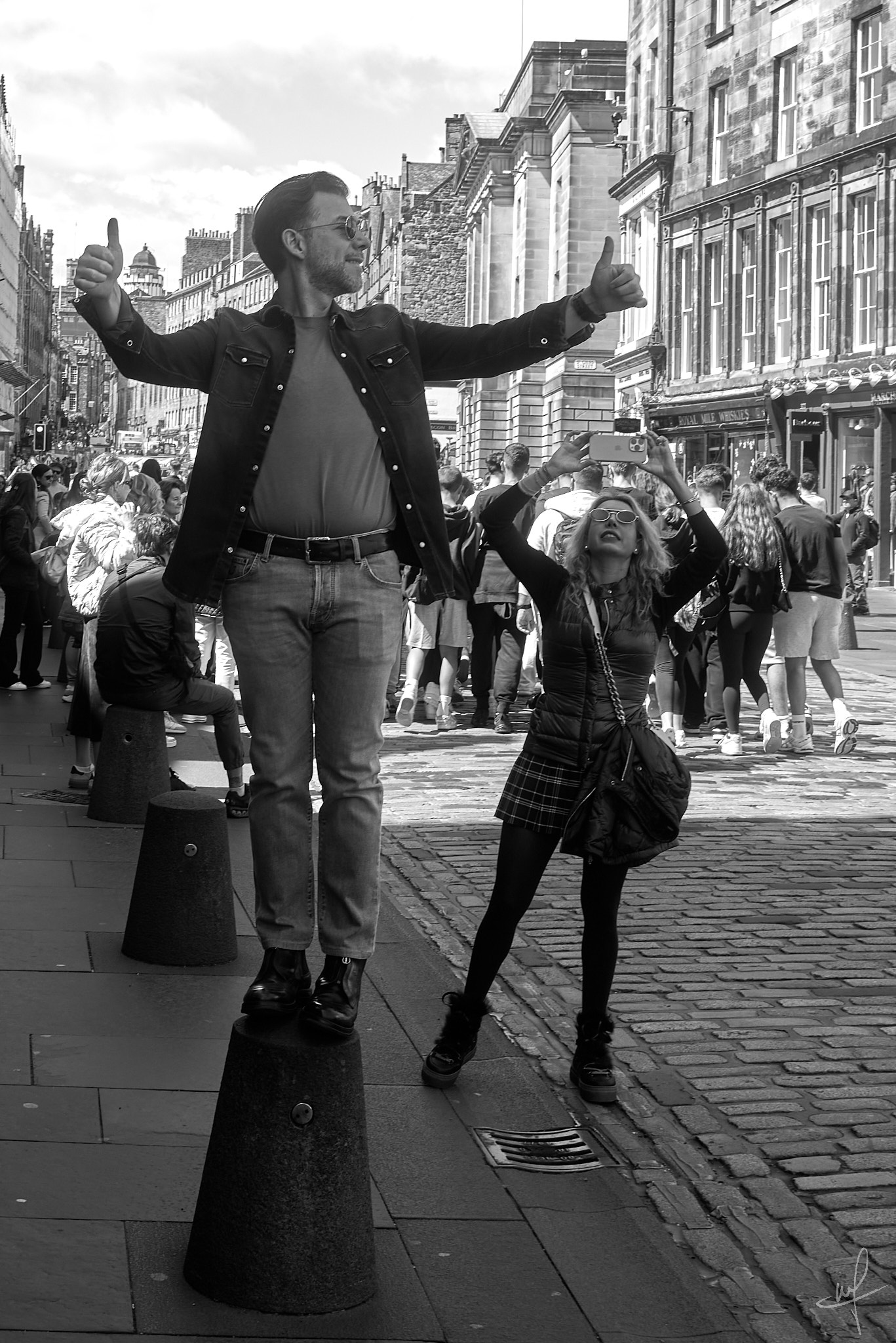
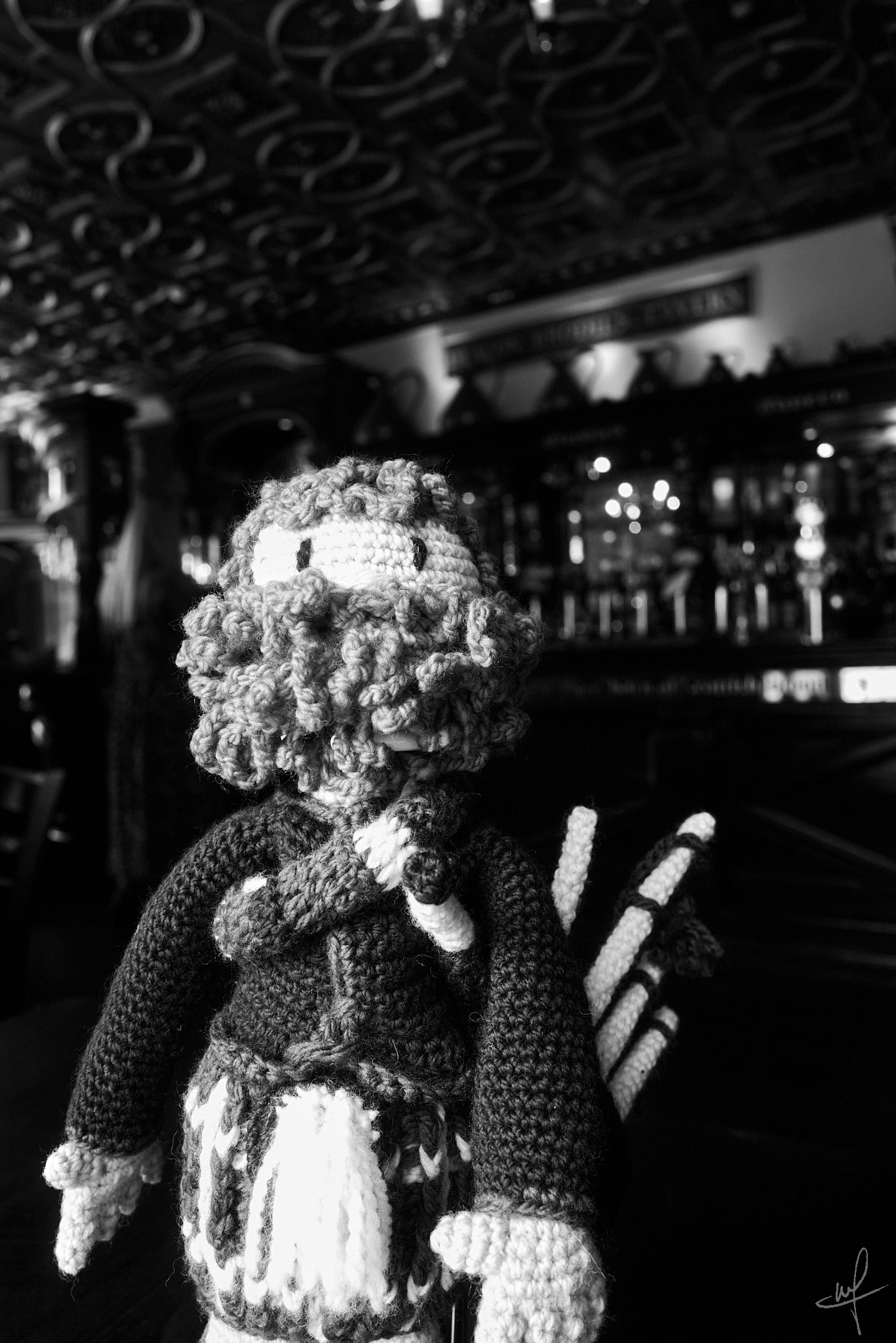
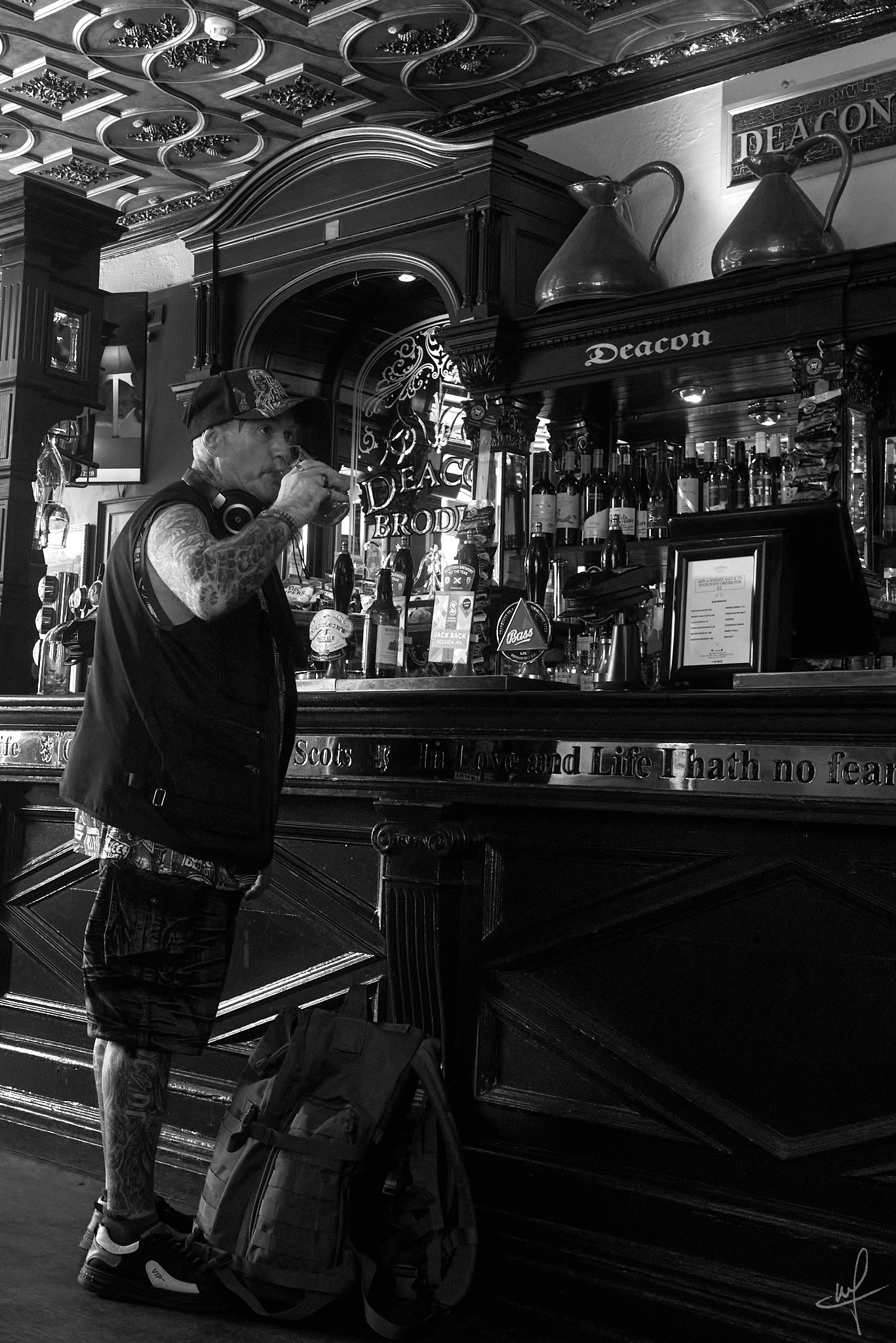
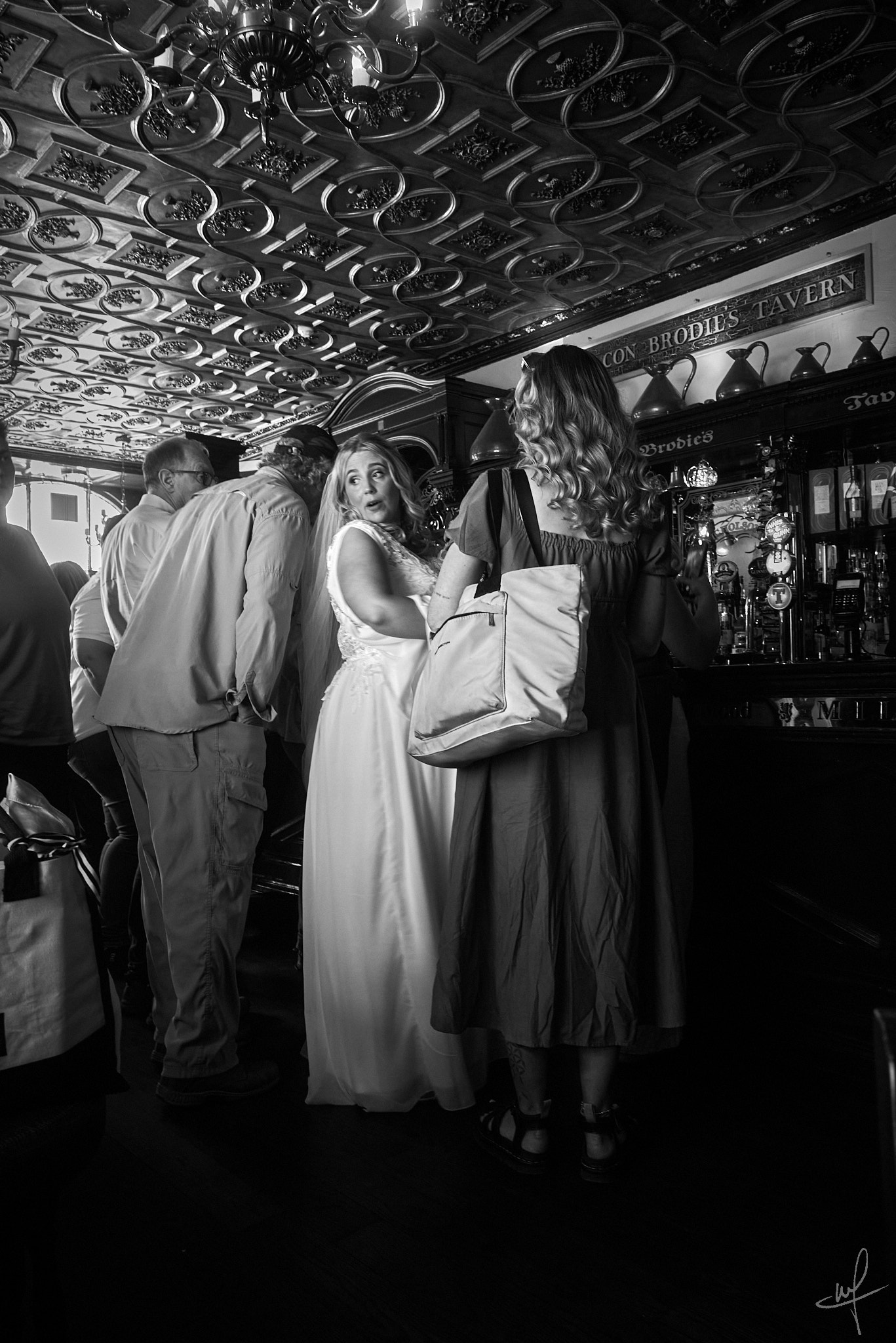
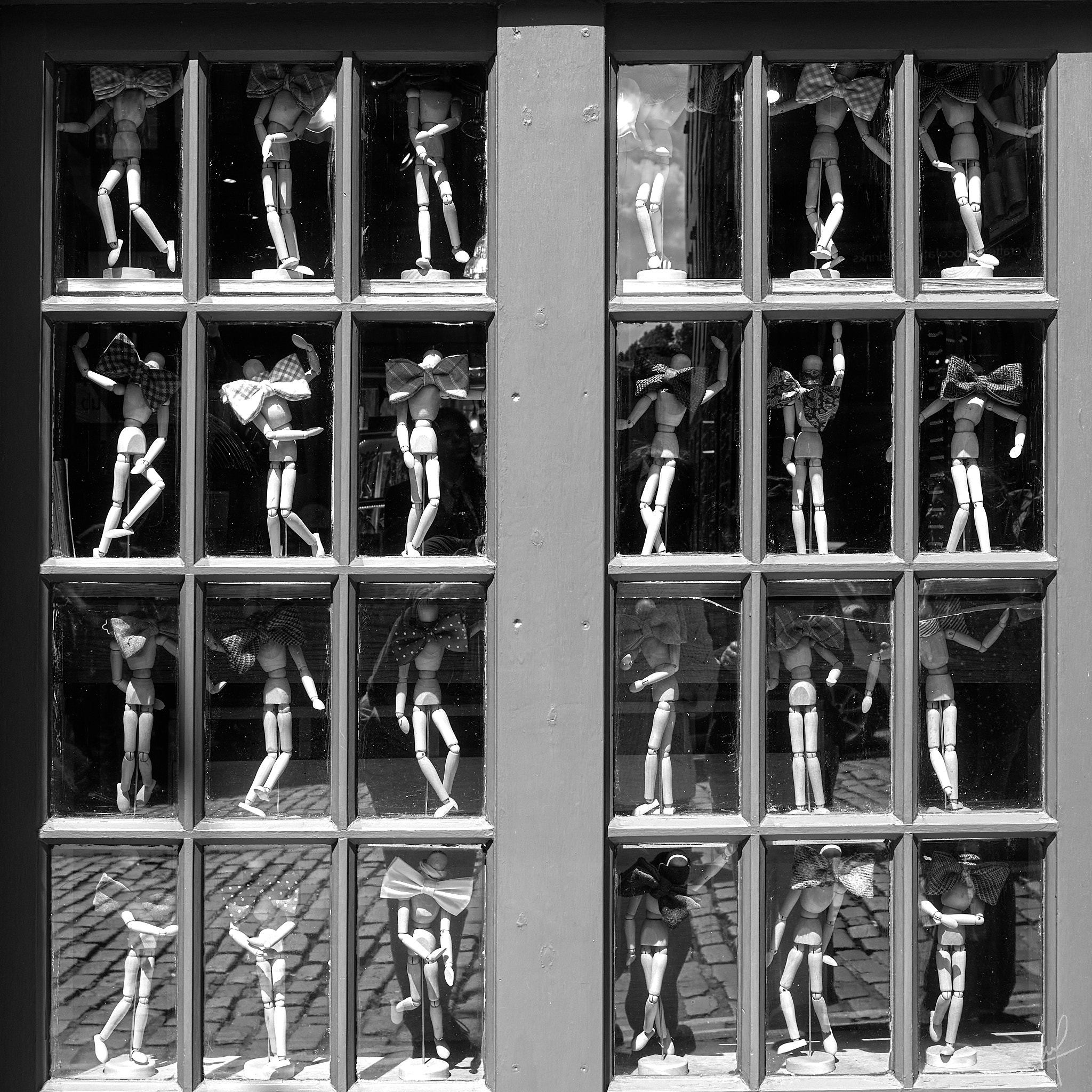
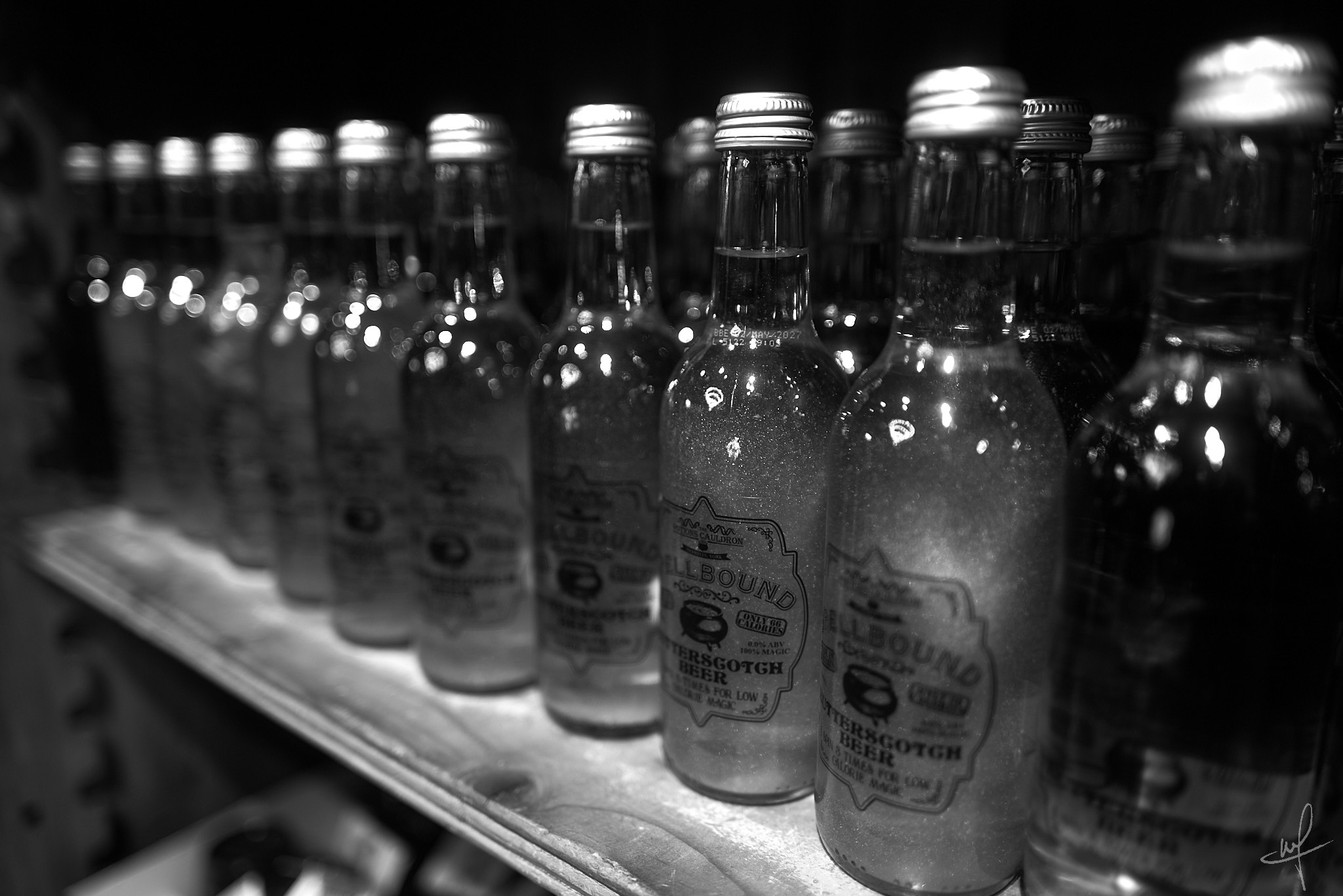

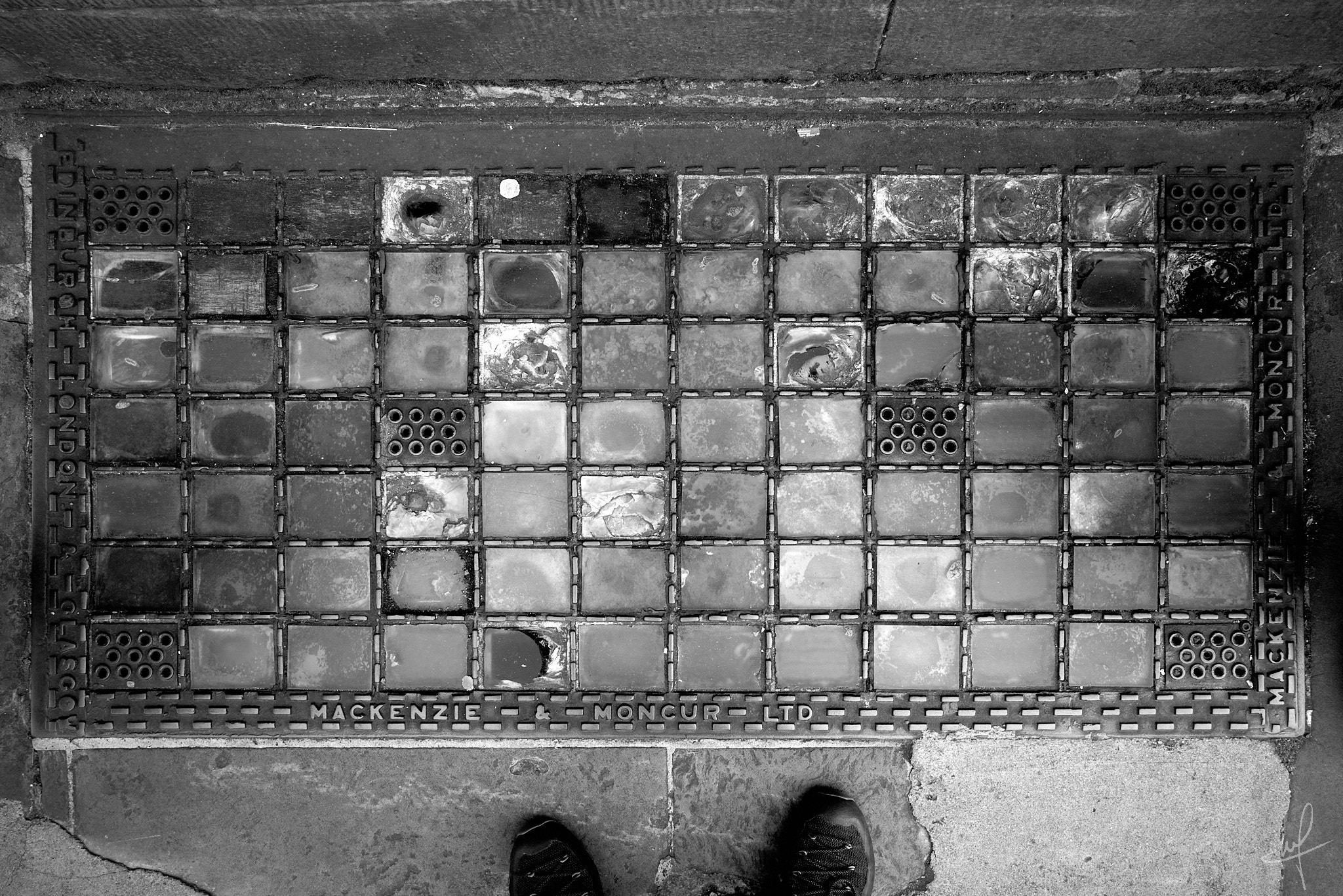
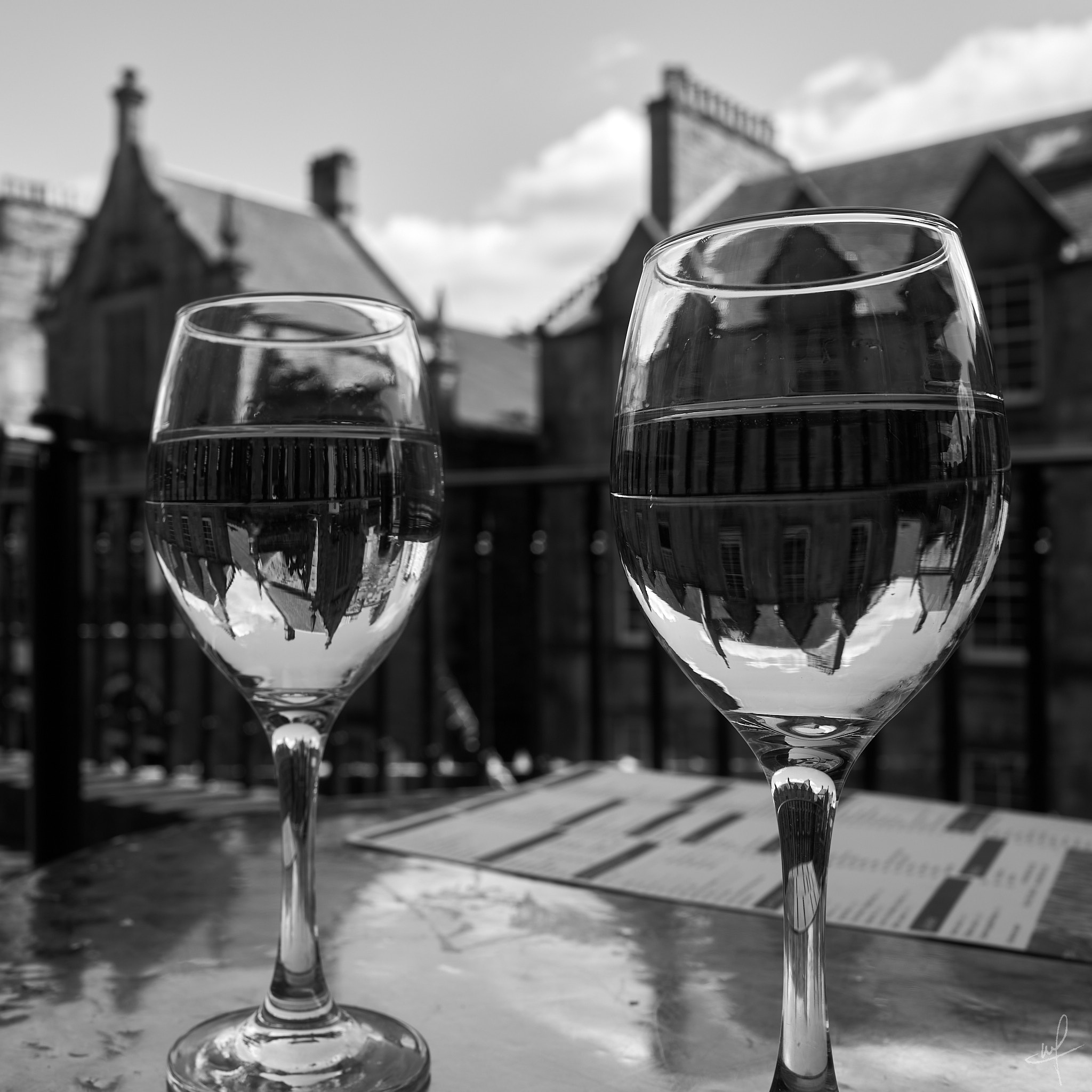
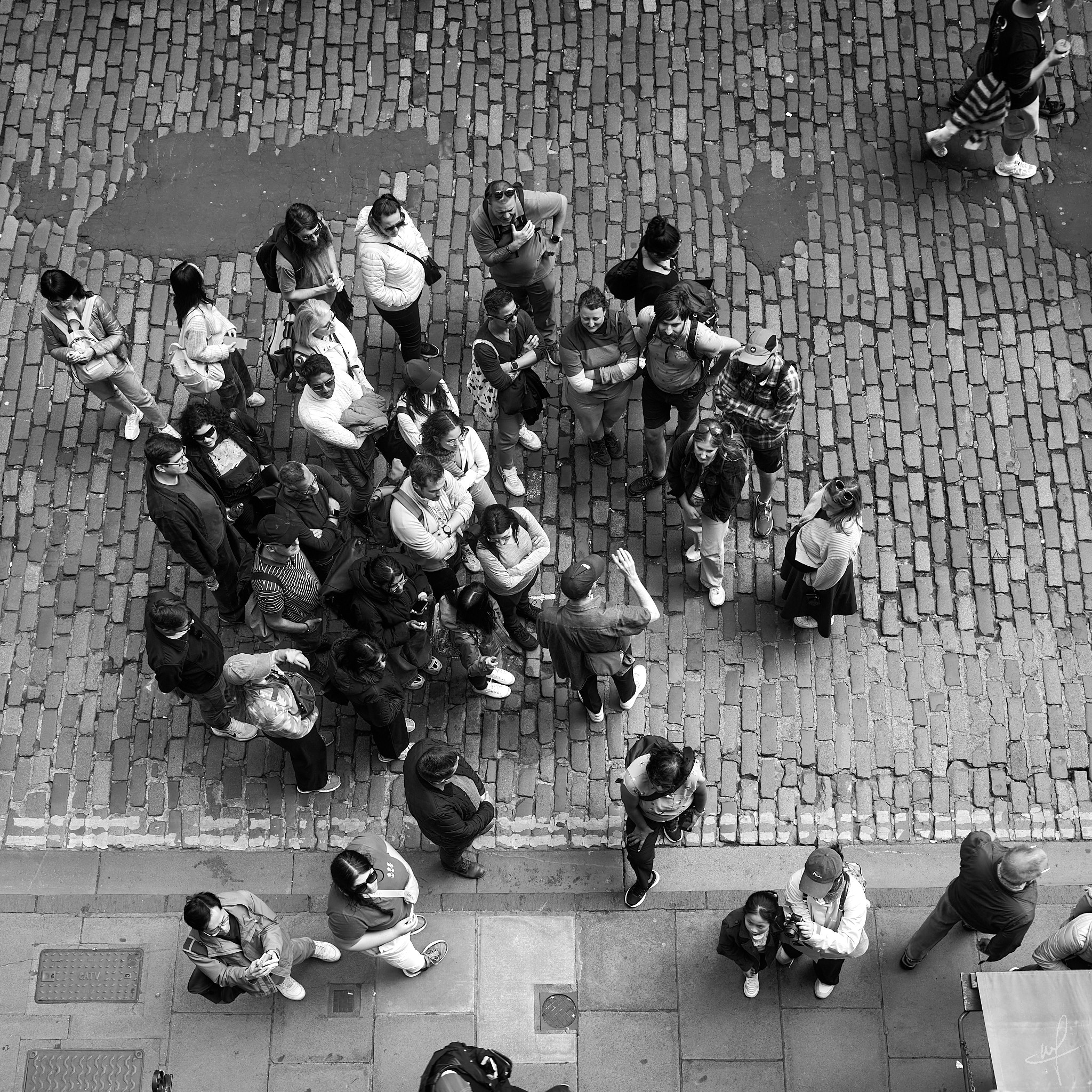
I am the eye in the sky… 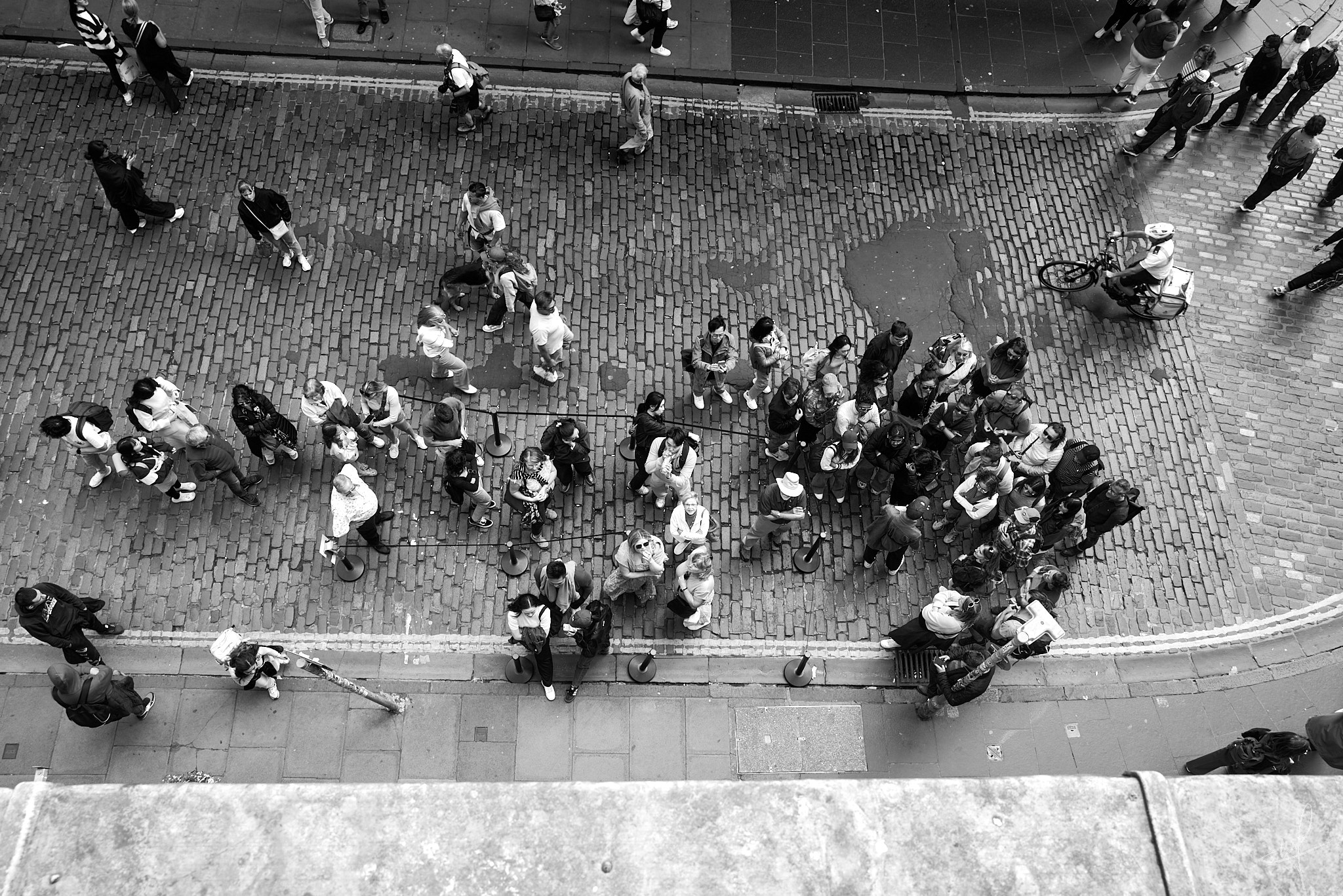
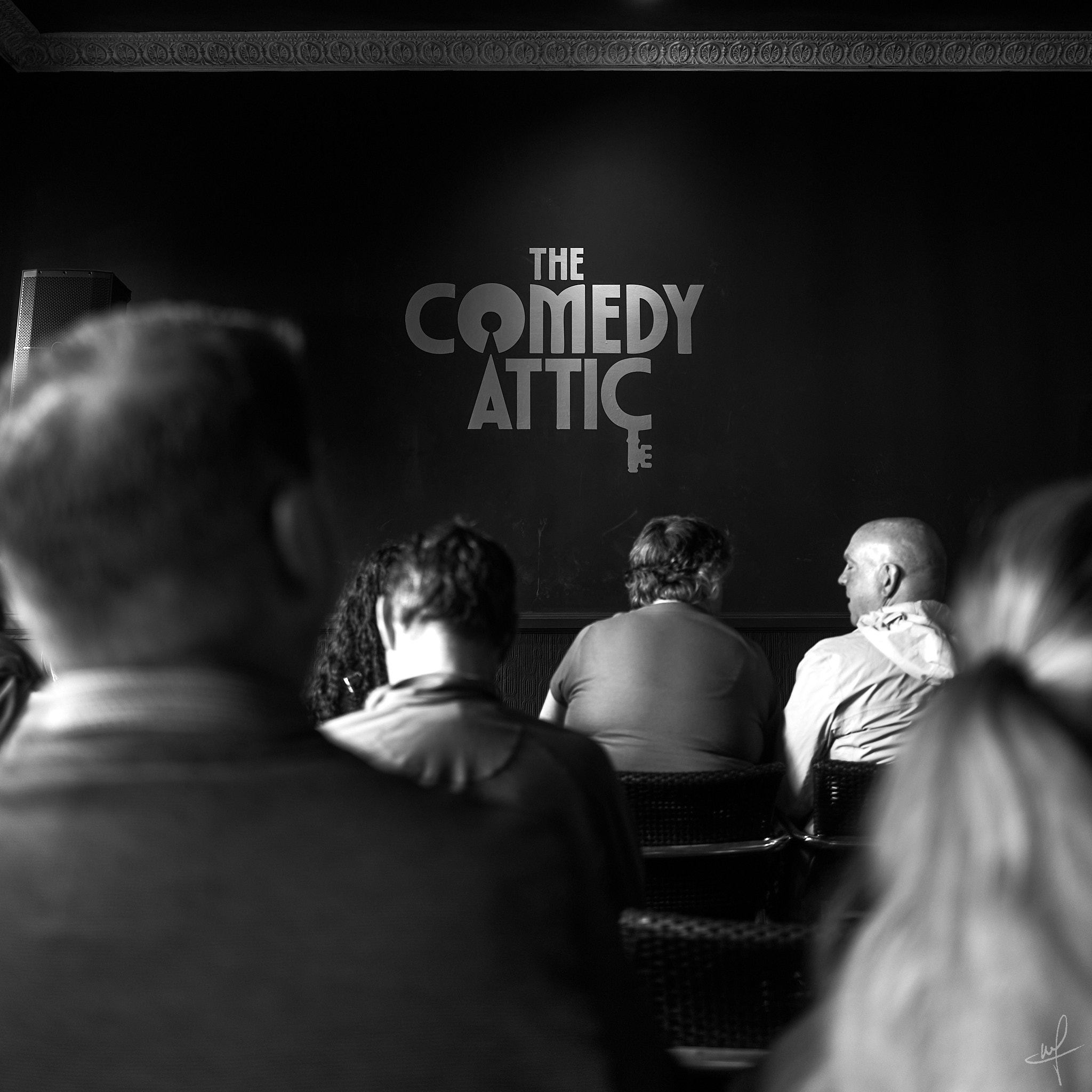

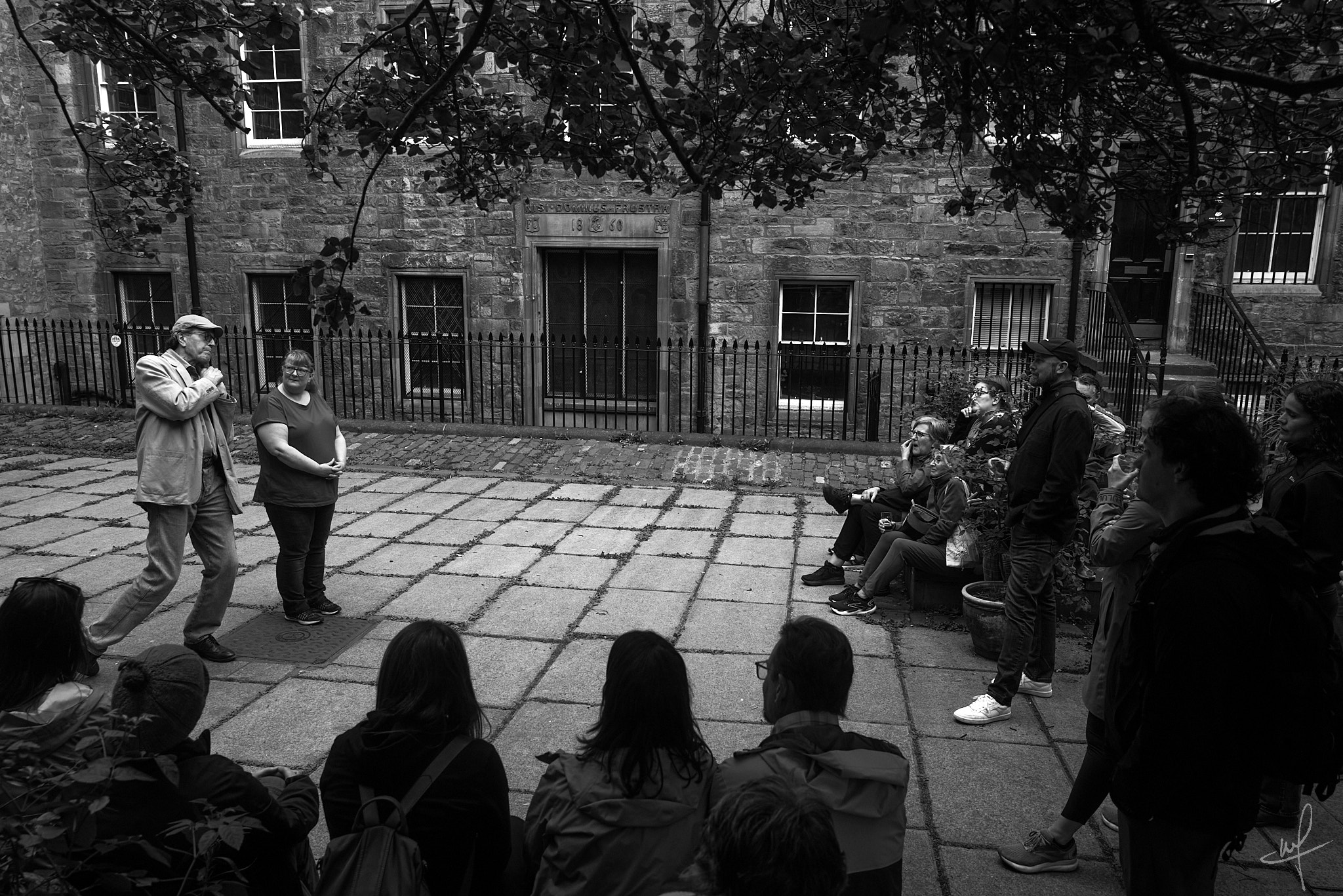
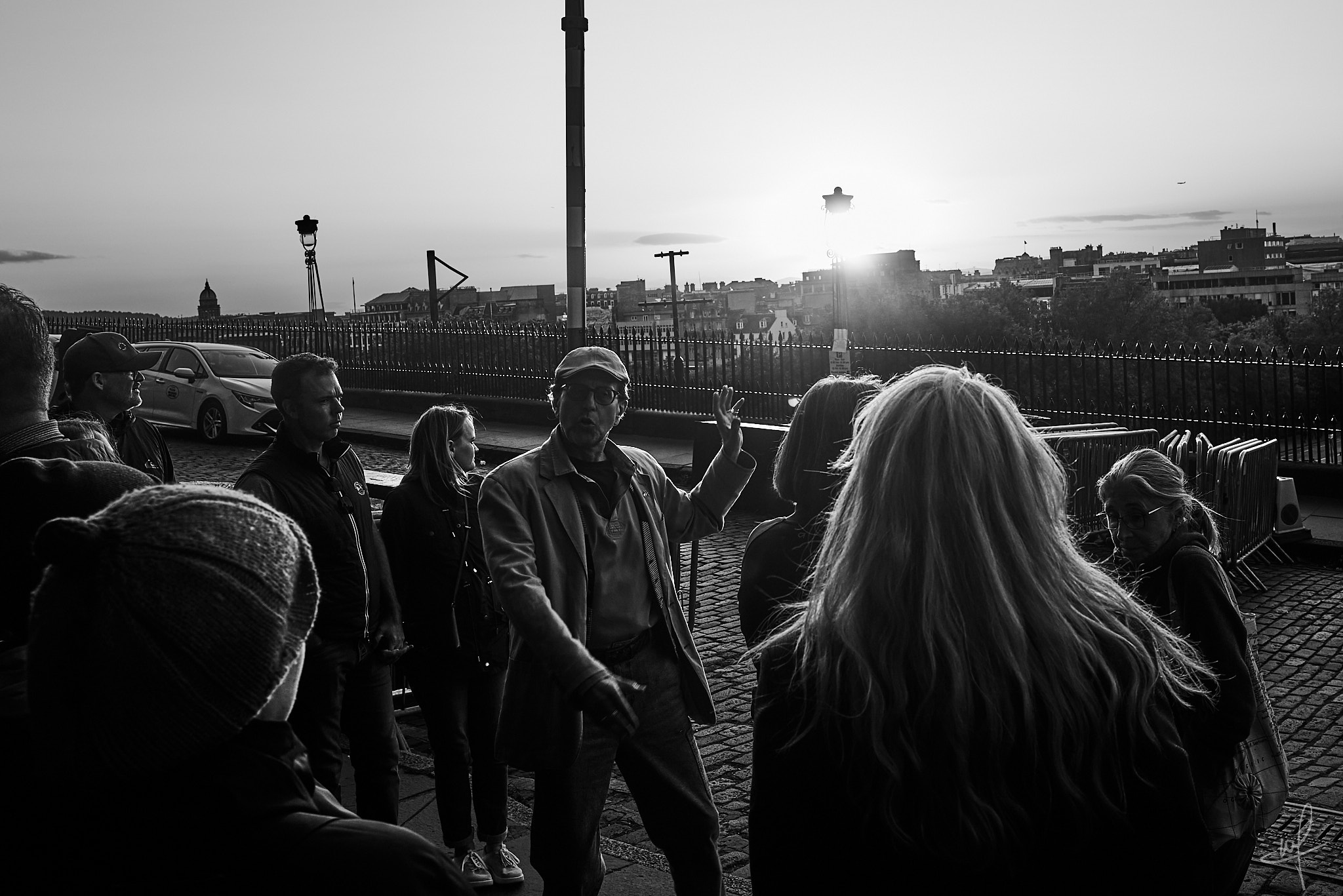
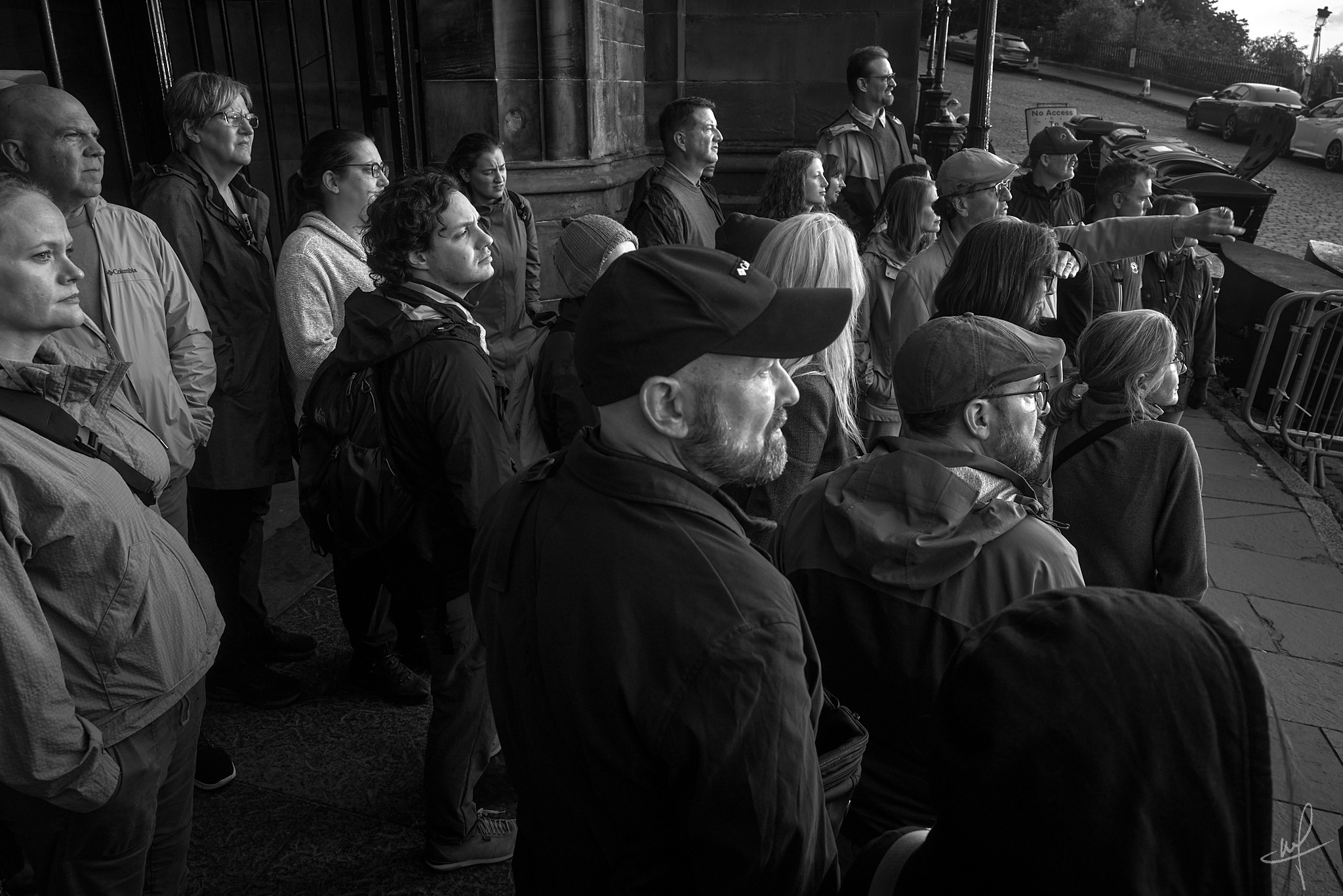
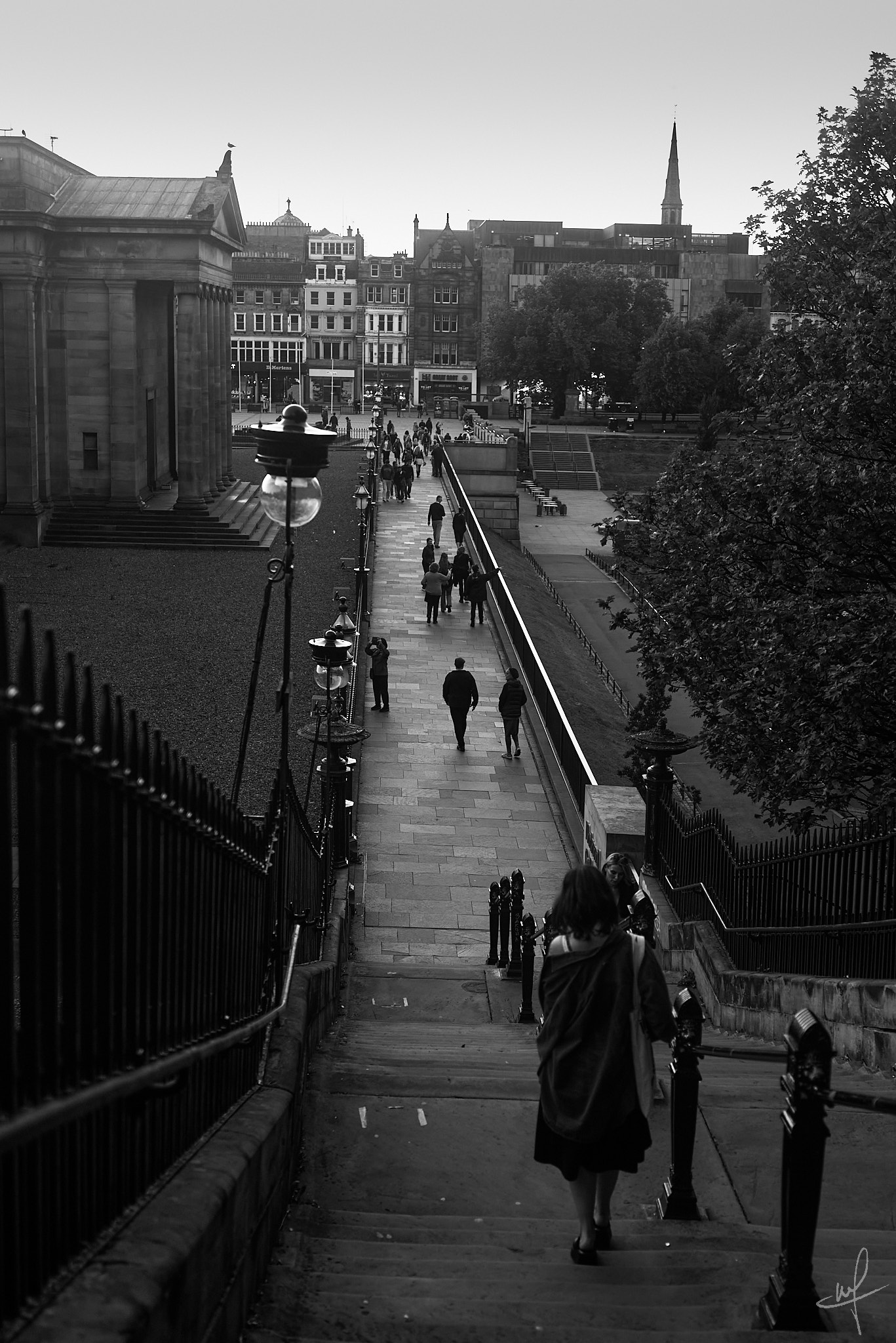
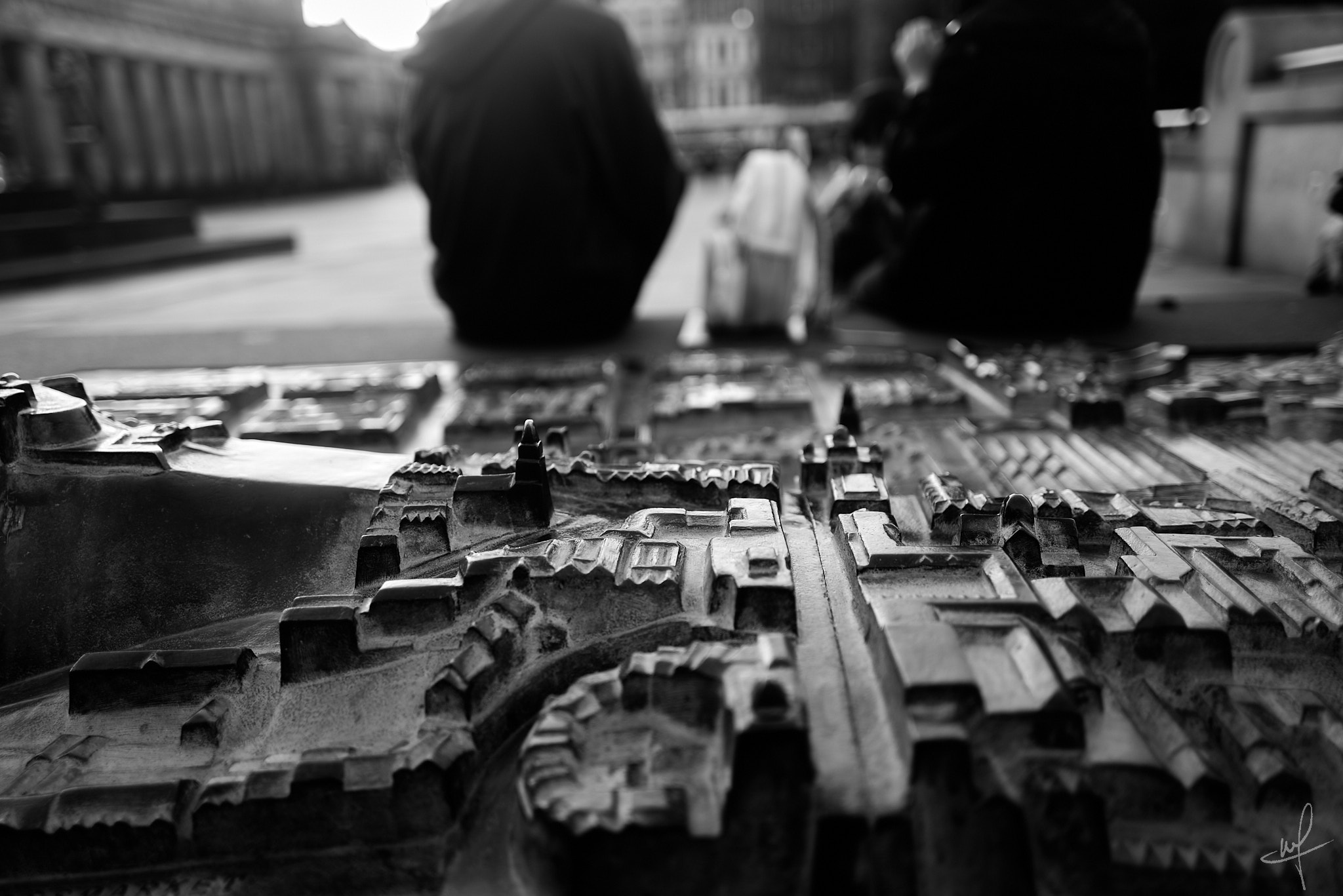
Edinburgh, Scotland, July 2025
-
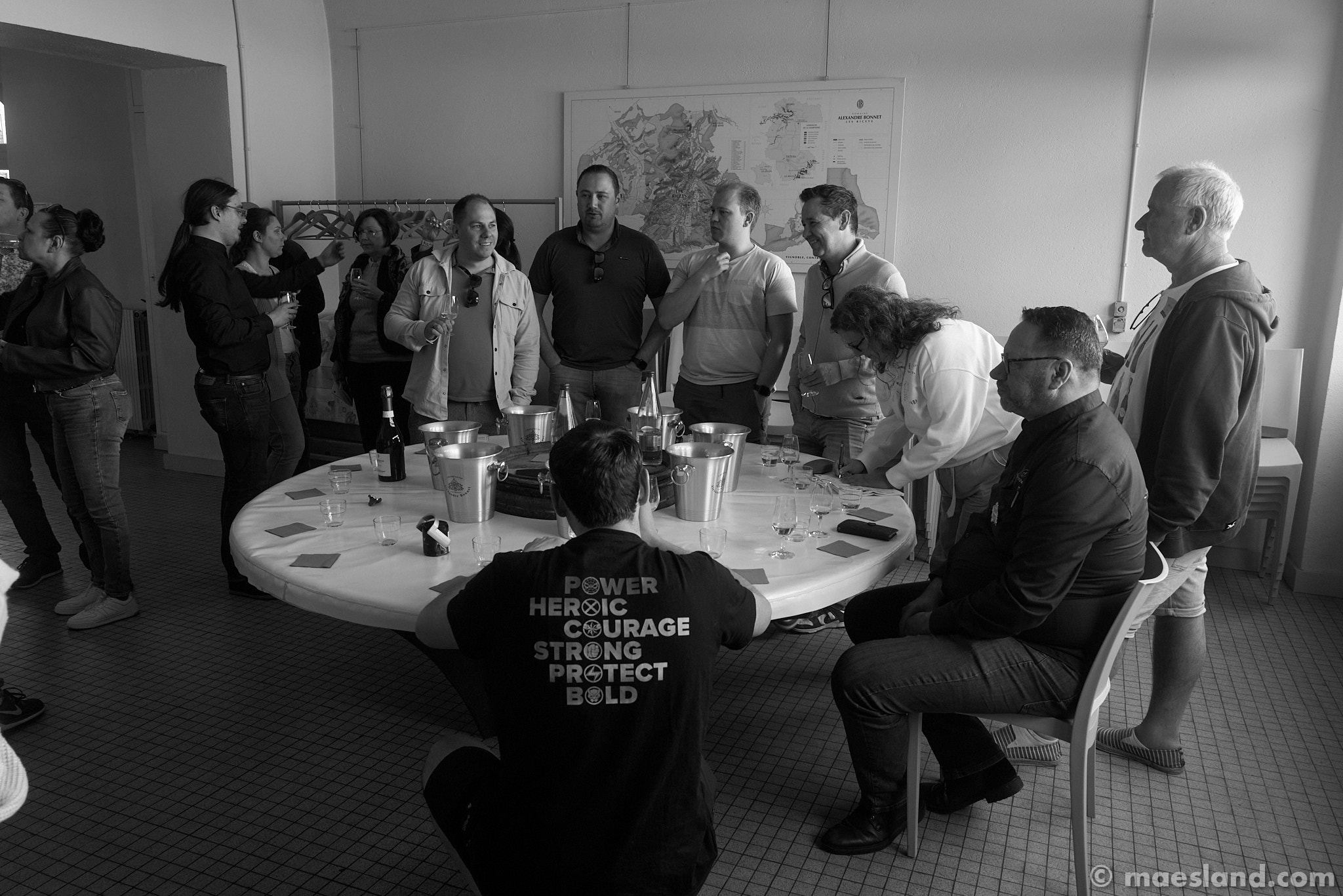
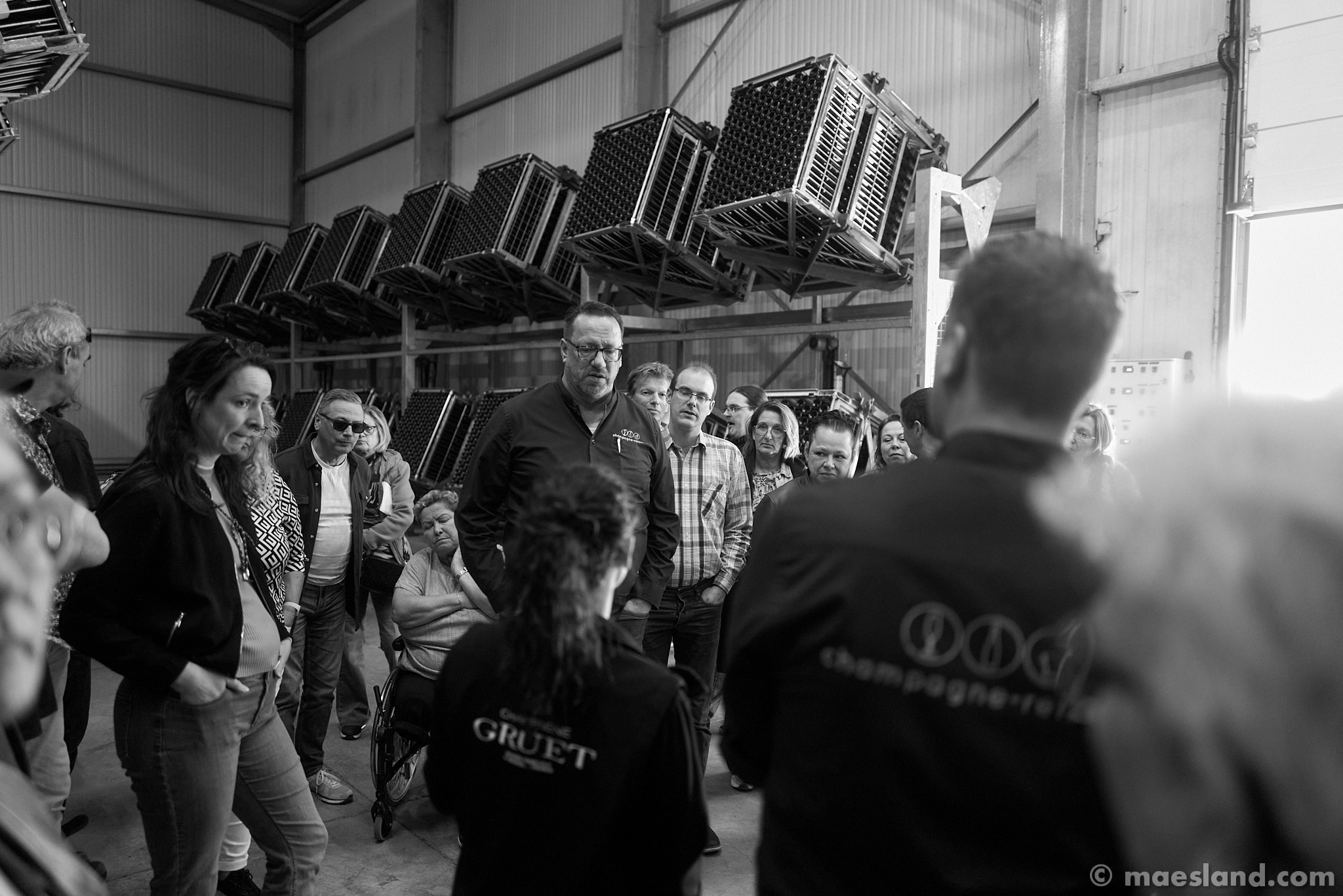
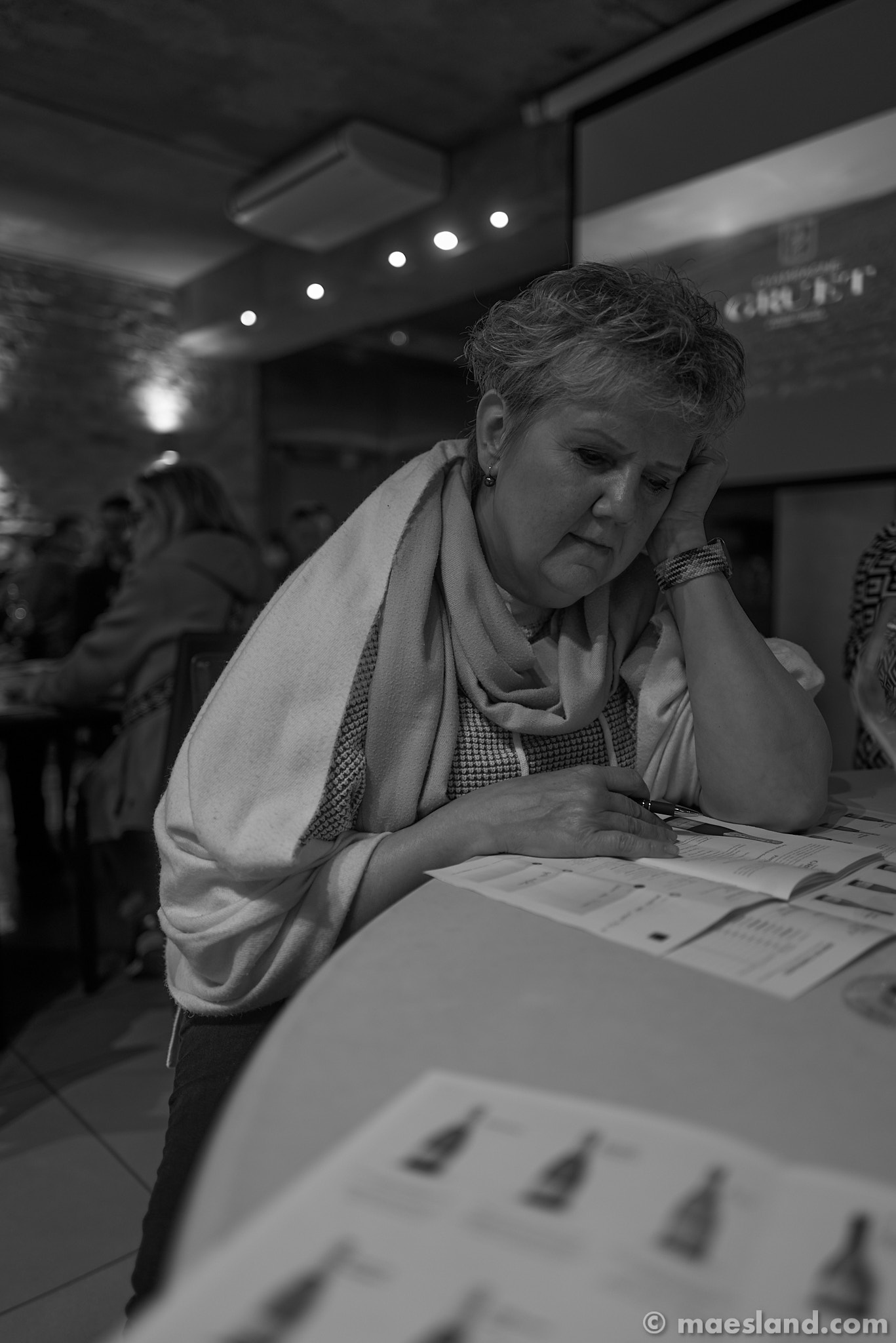
Champagne spoken here
We visit Champagne often, and always enjoy it by bus,
organised by our dear friend John Huijnen
who puts these trips to perfection in prep and background info
on the houses, on the wines, and the grapes.
This time we were far south, a mere 3km from Burgundy.
In the areas of near-forgotten grapes by Drappier, Alexandre Bonnet and Gruet.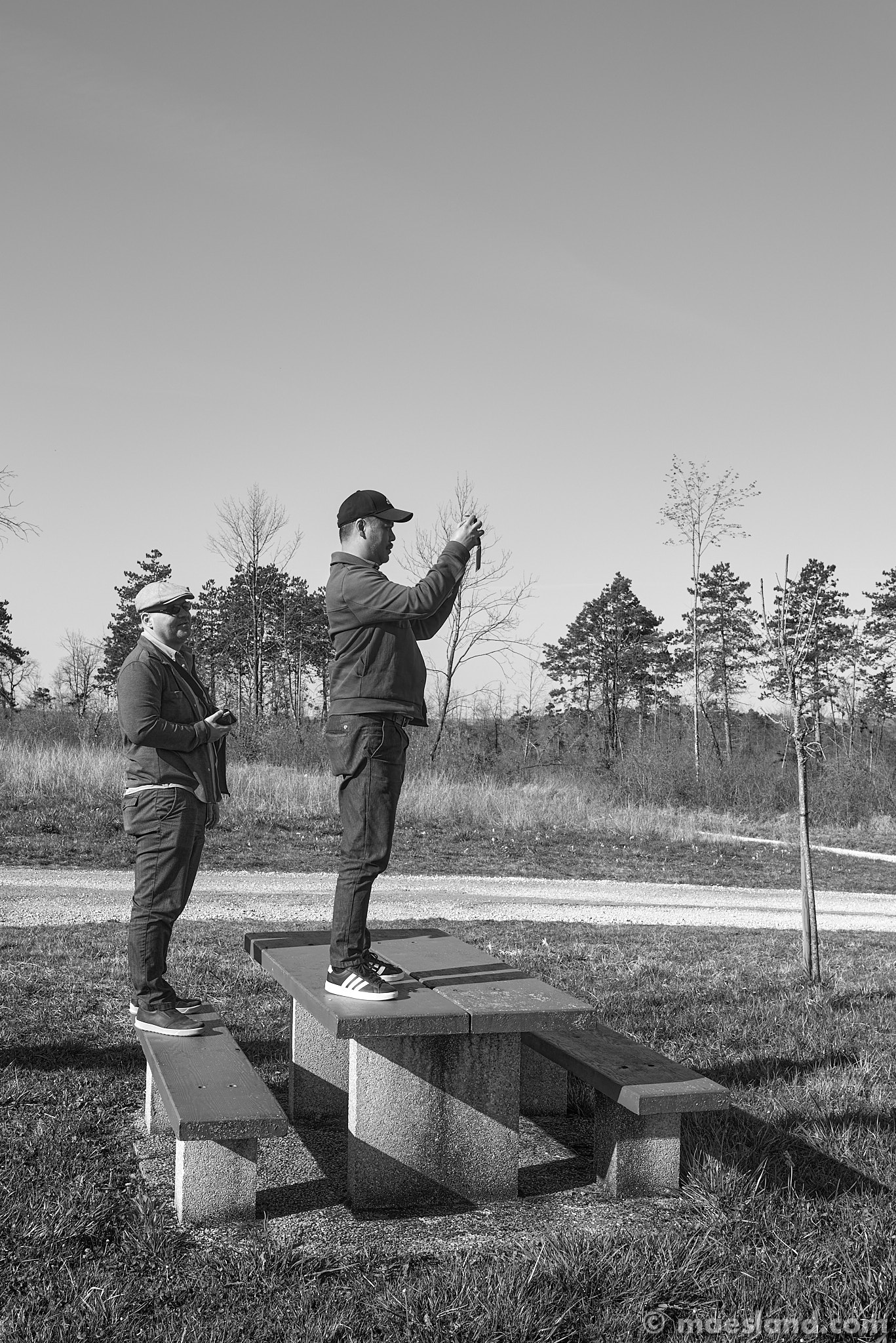


-
Sensitory overload
… in the tourist areas of Westminster and Camden Town.
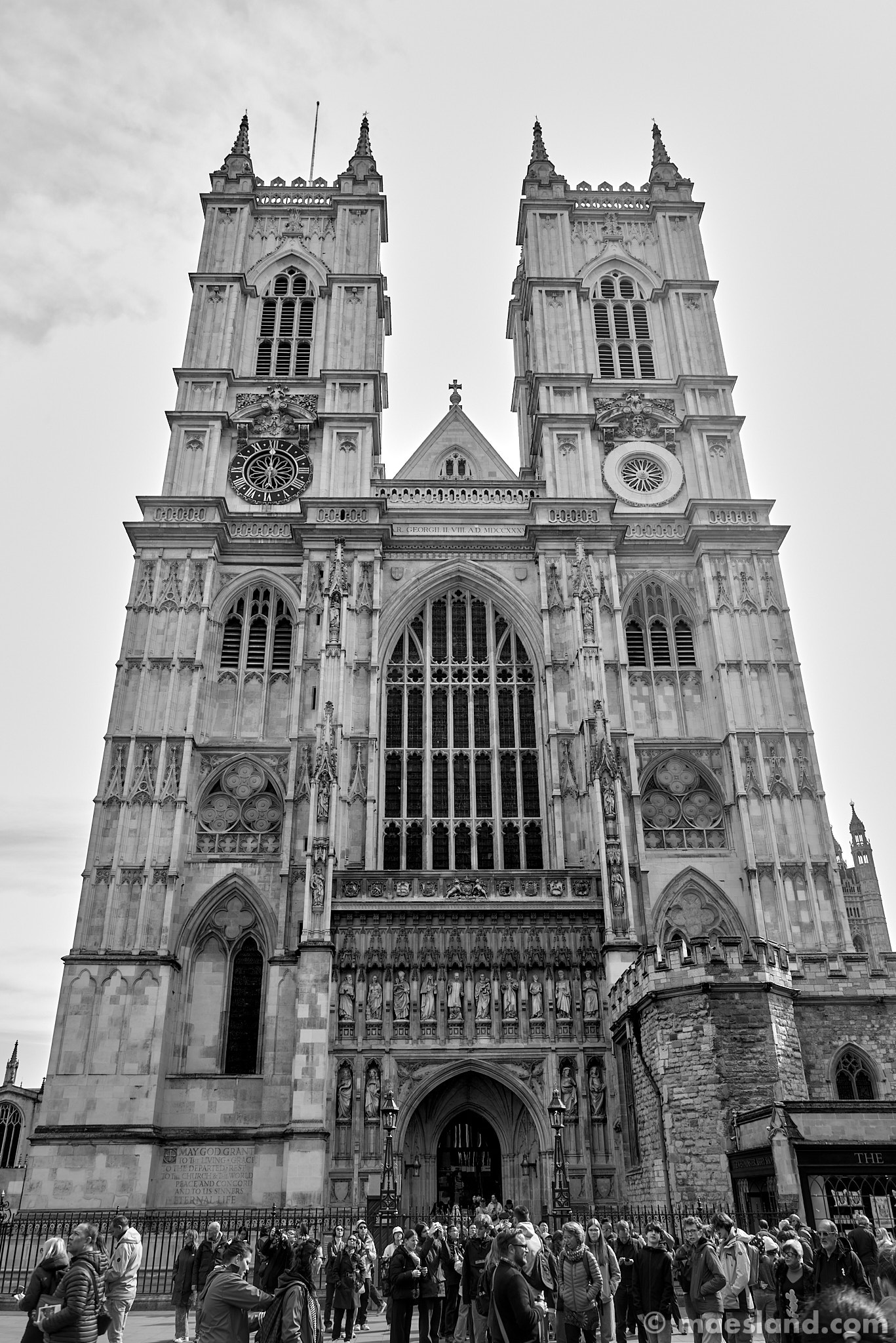
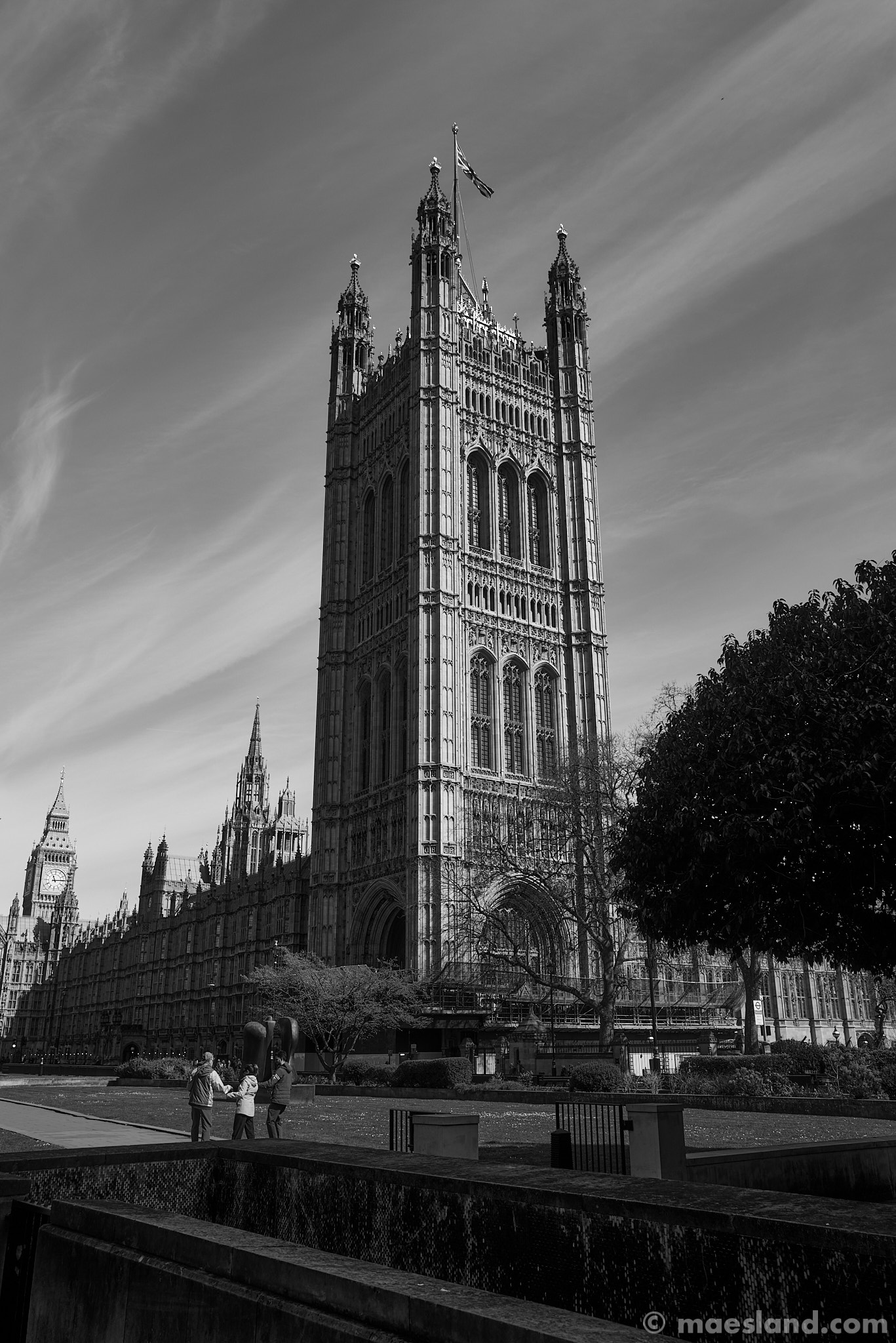

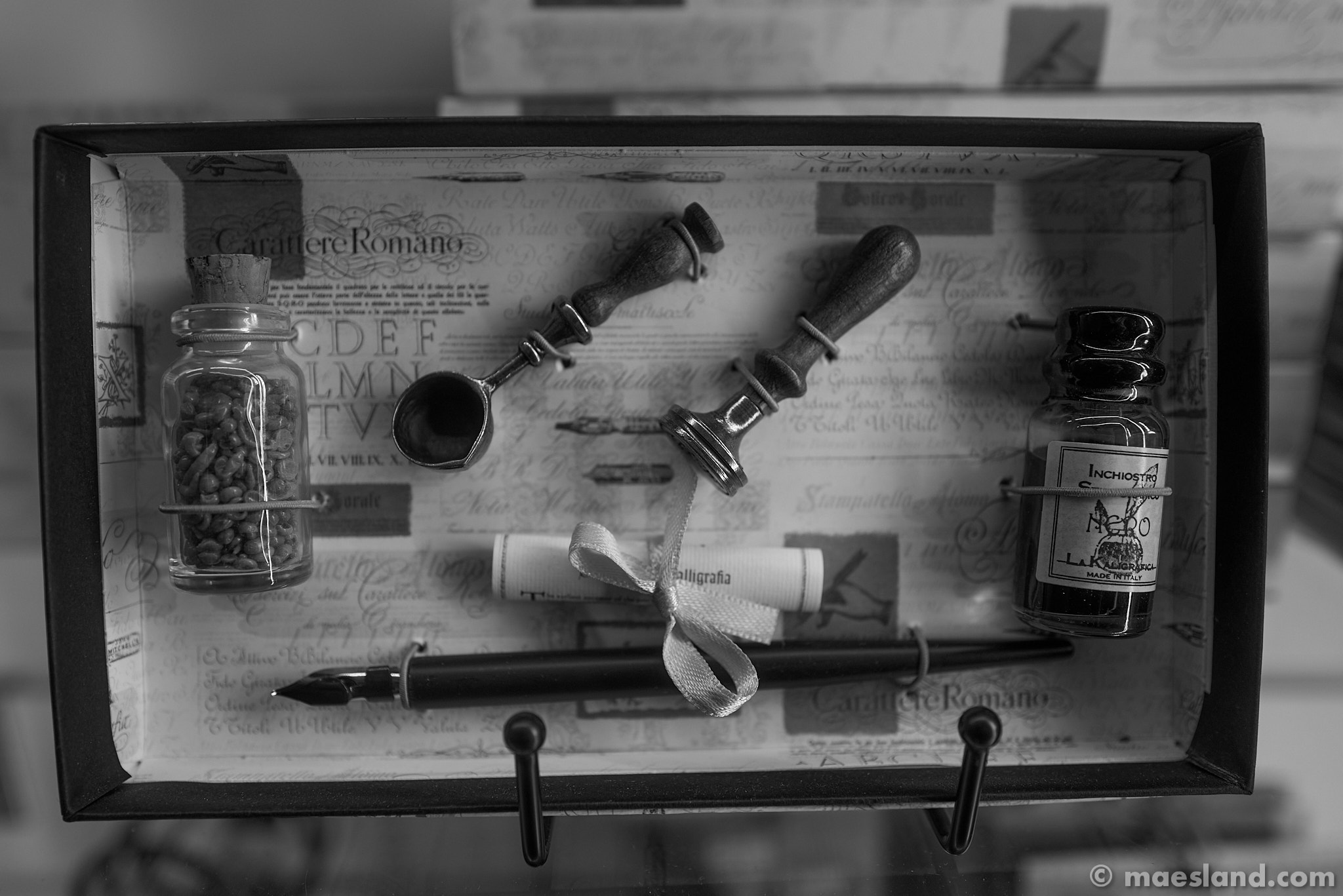
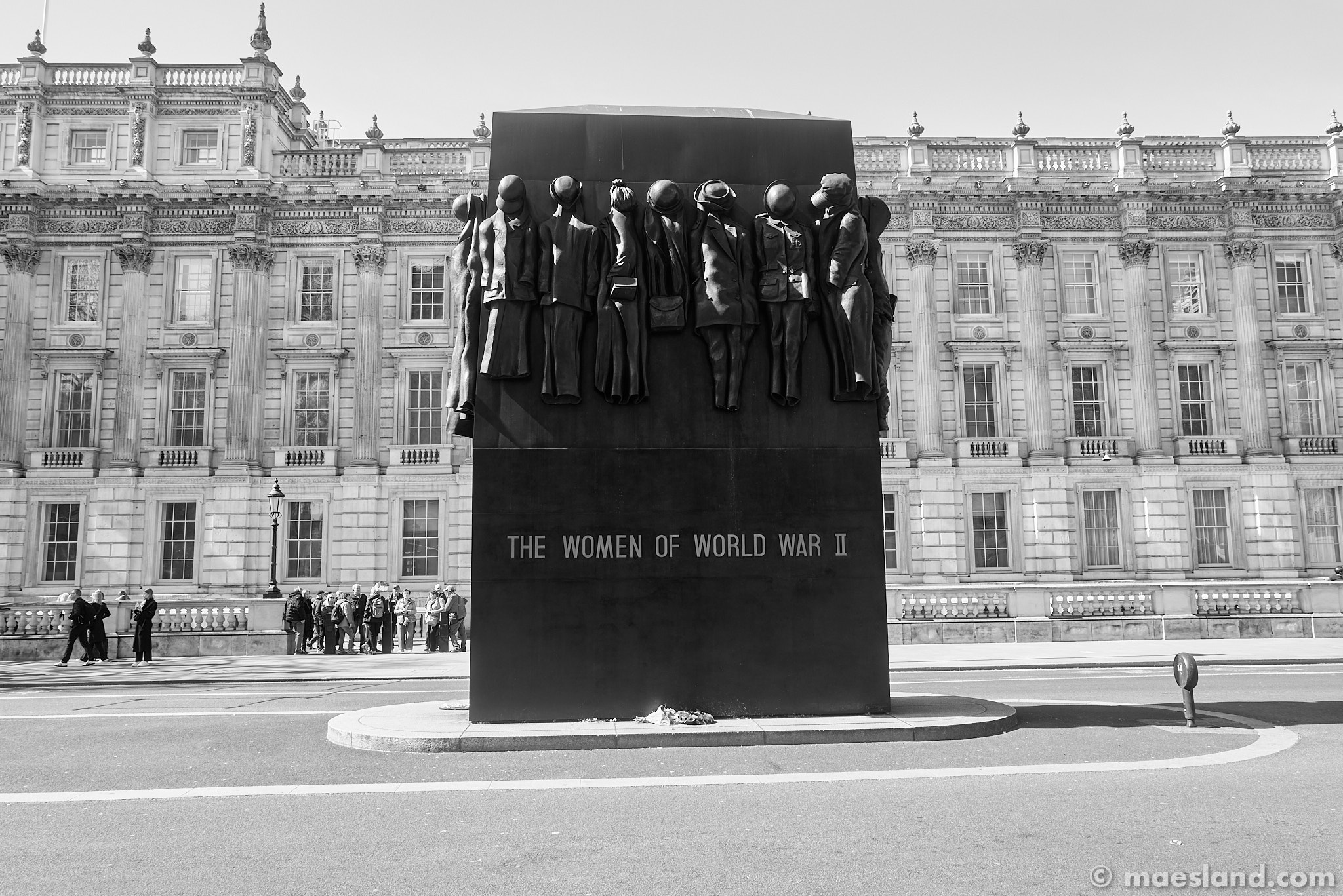
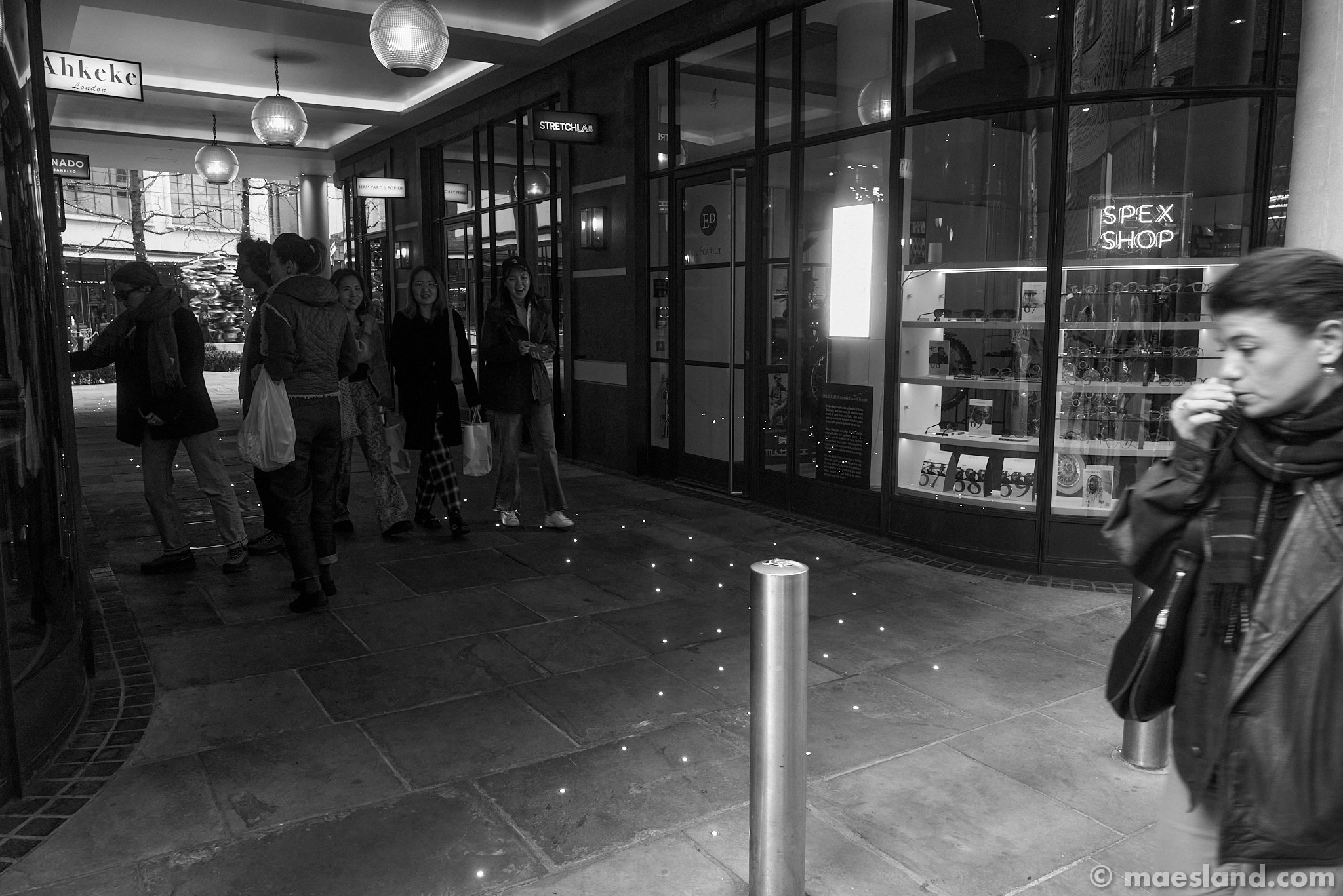
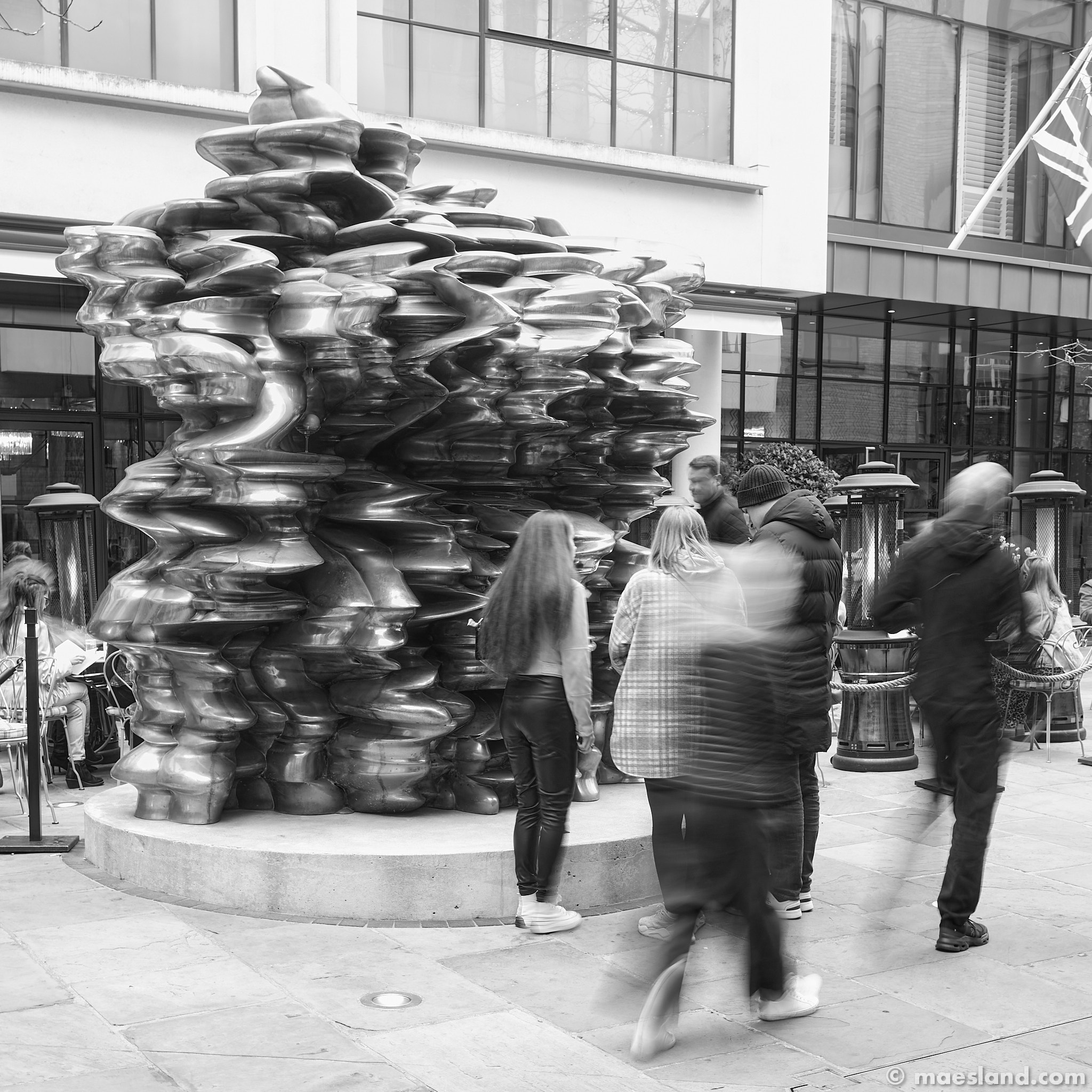
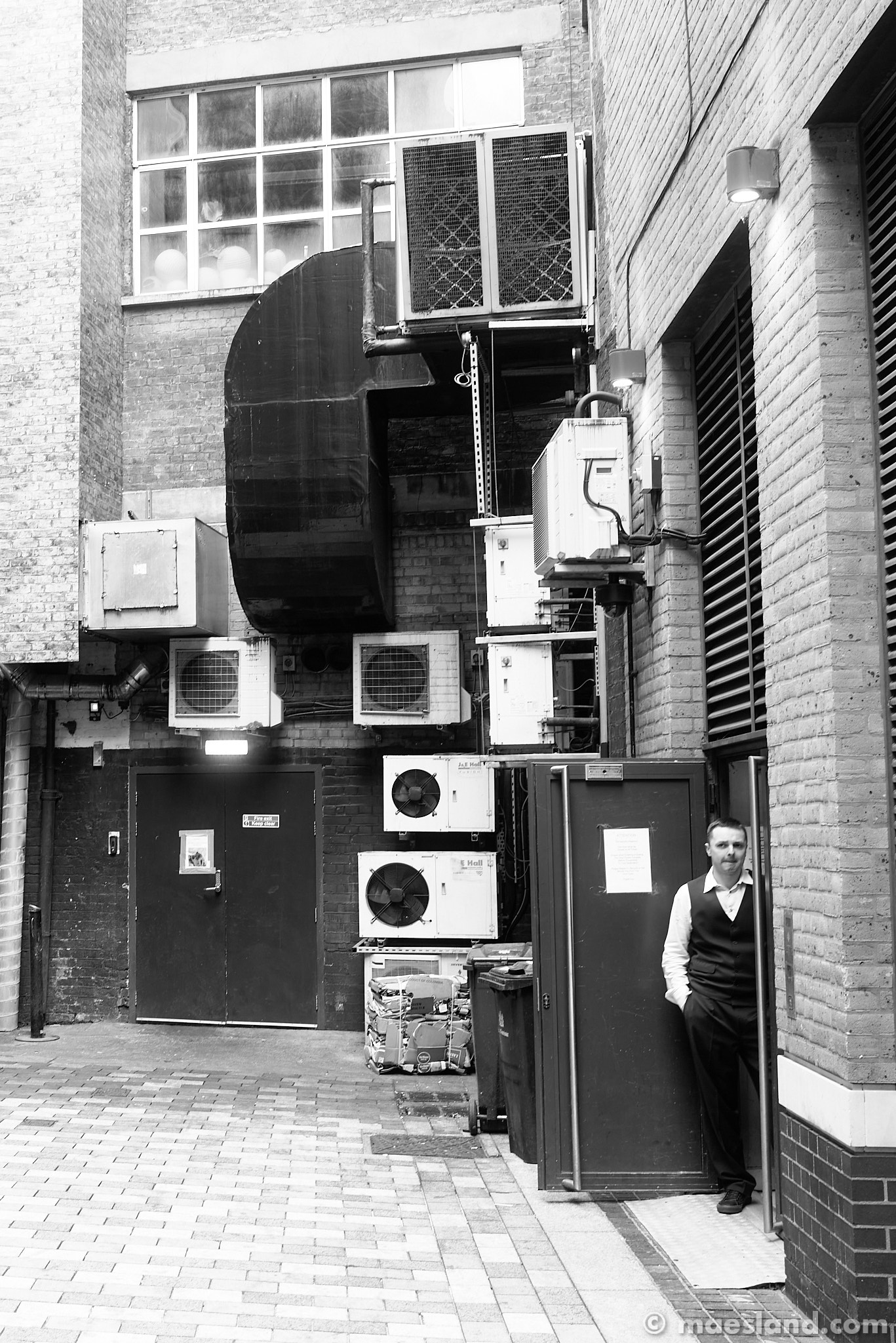
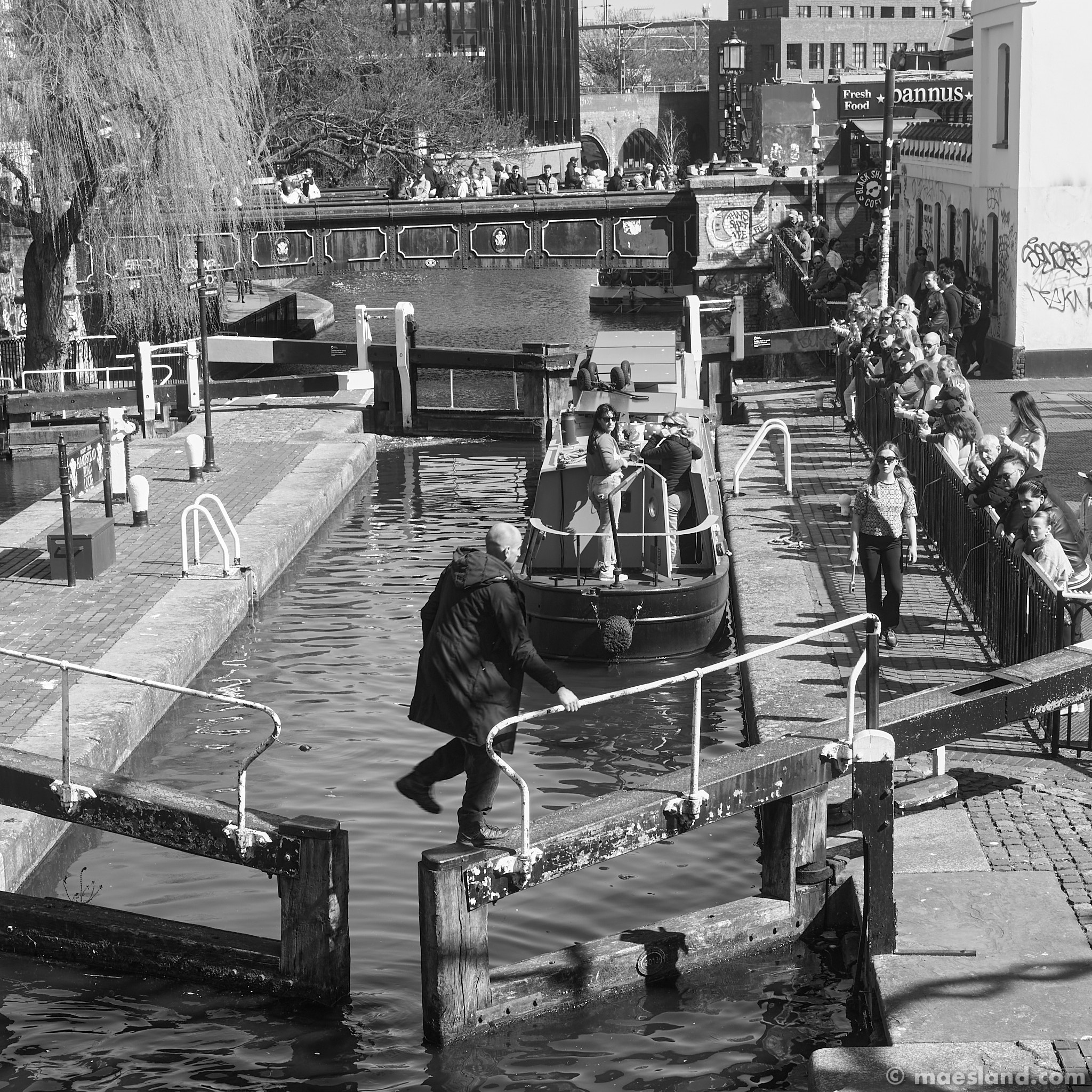
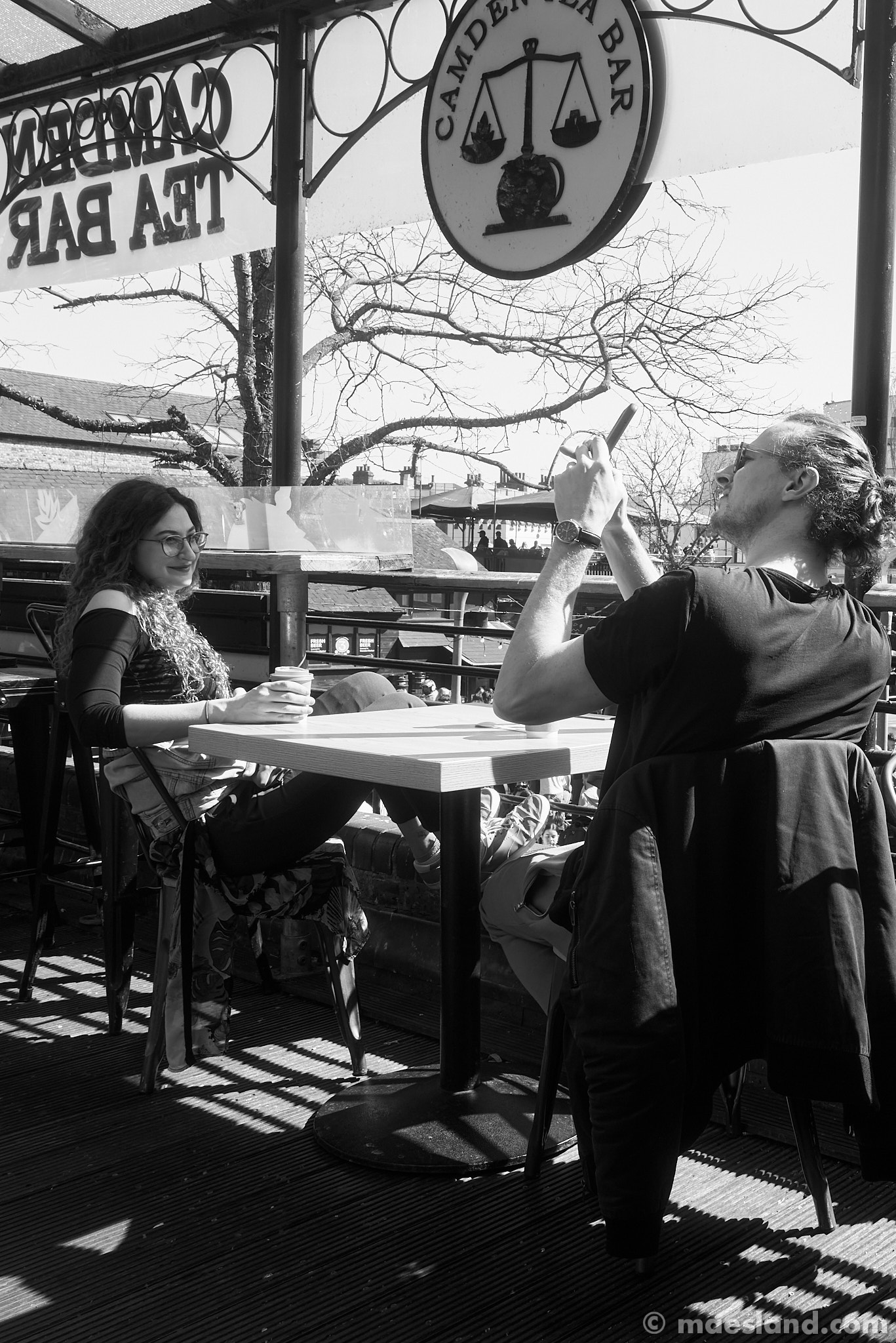
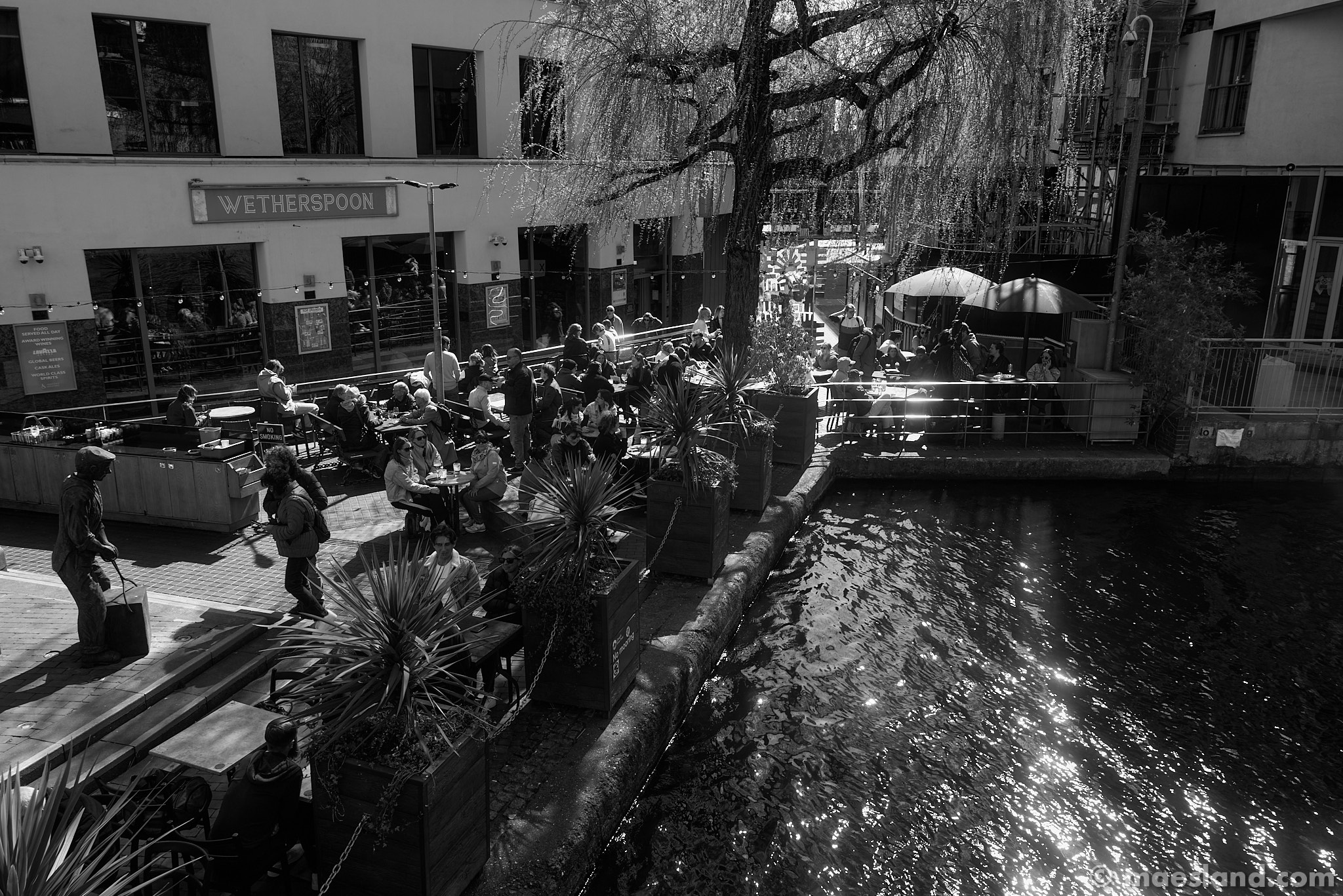
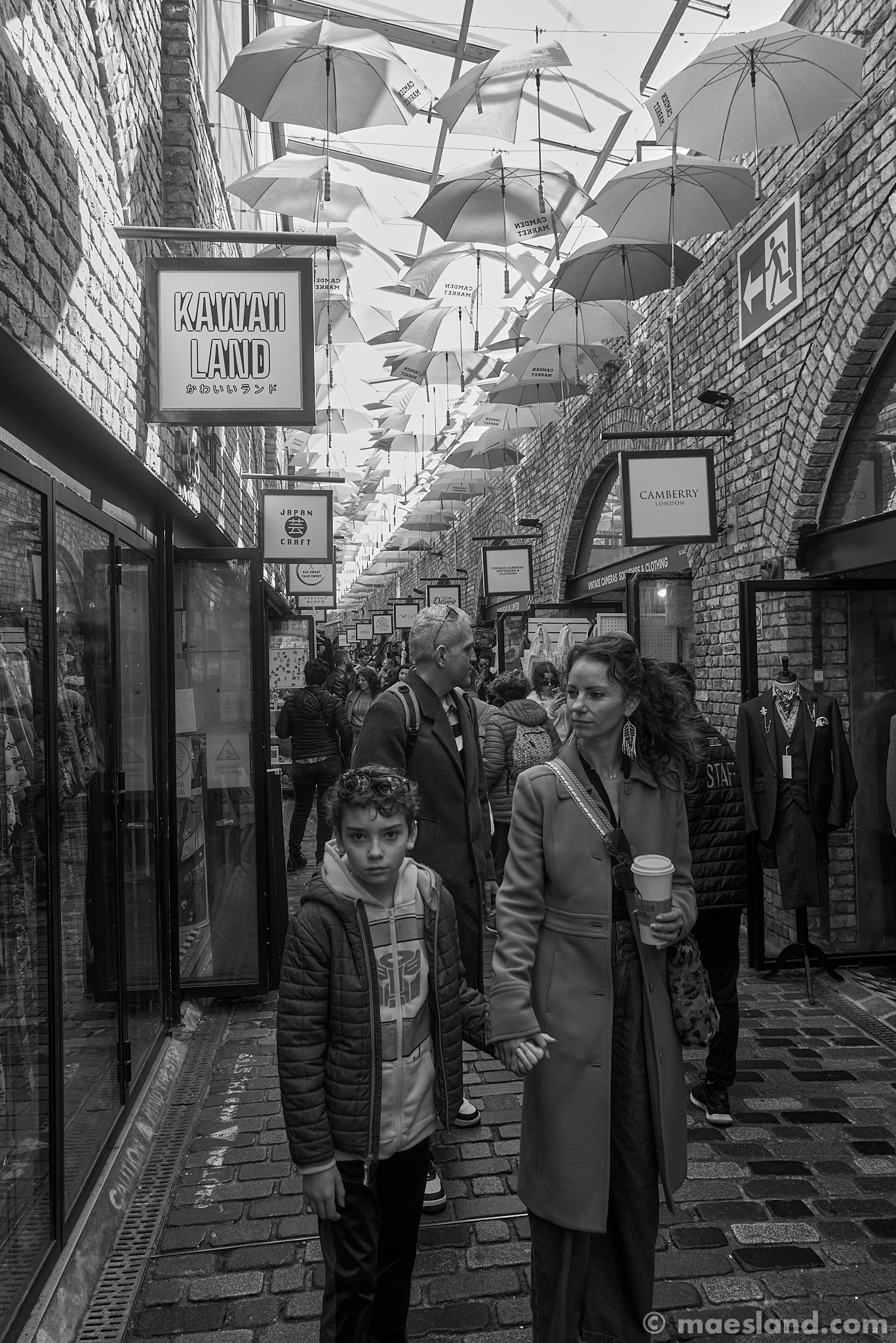
London, March 2025
-
London, revisited
Click to show carousel, enjoy.
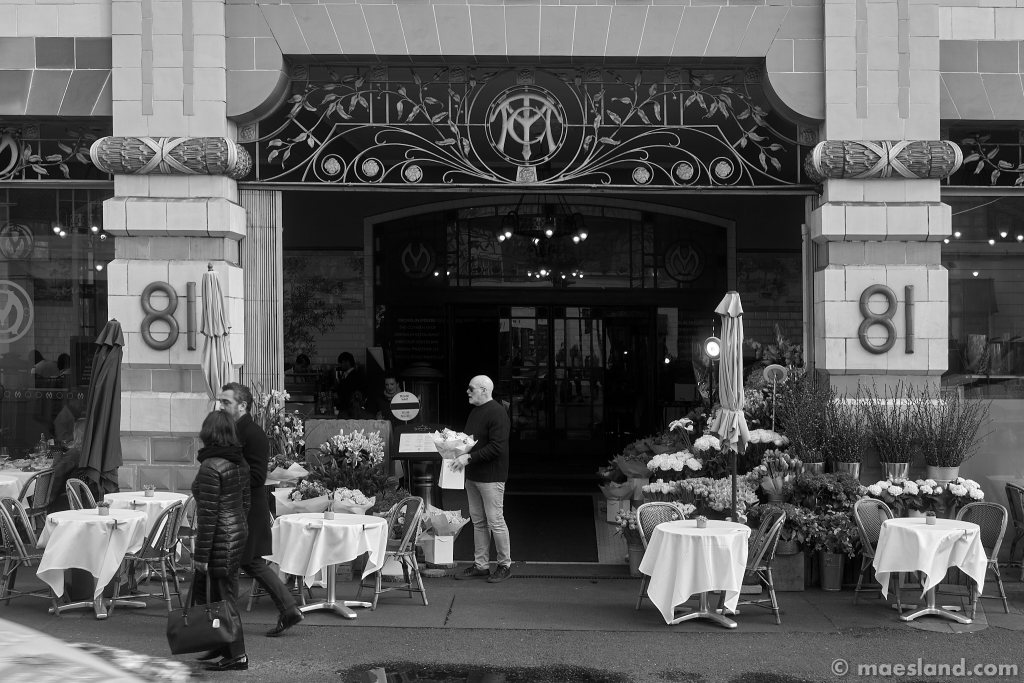
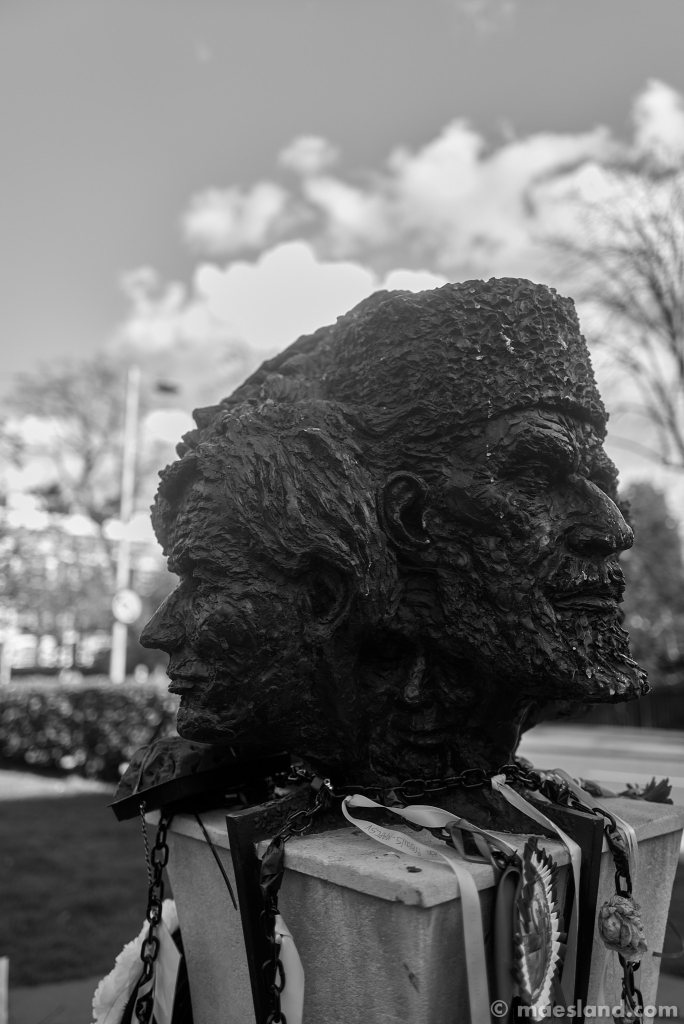
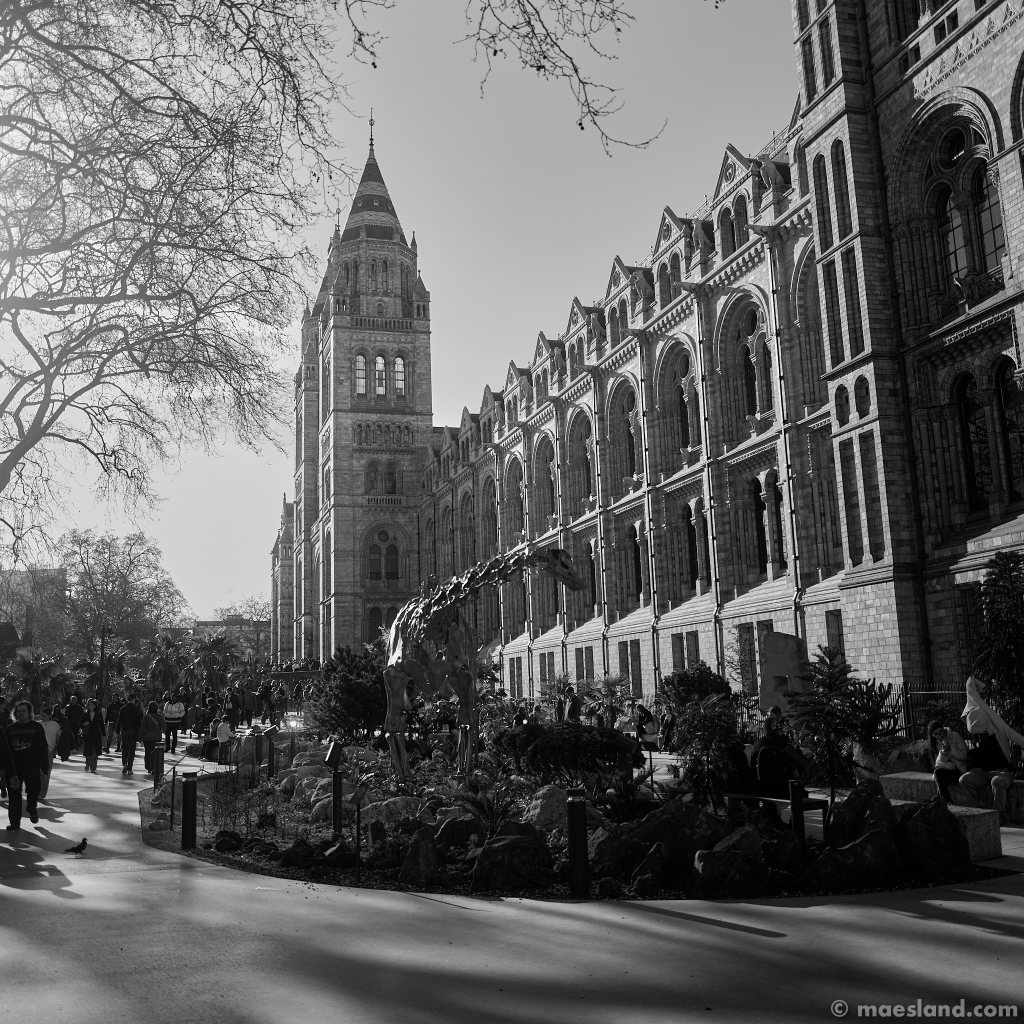




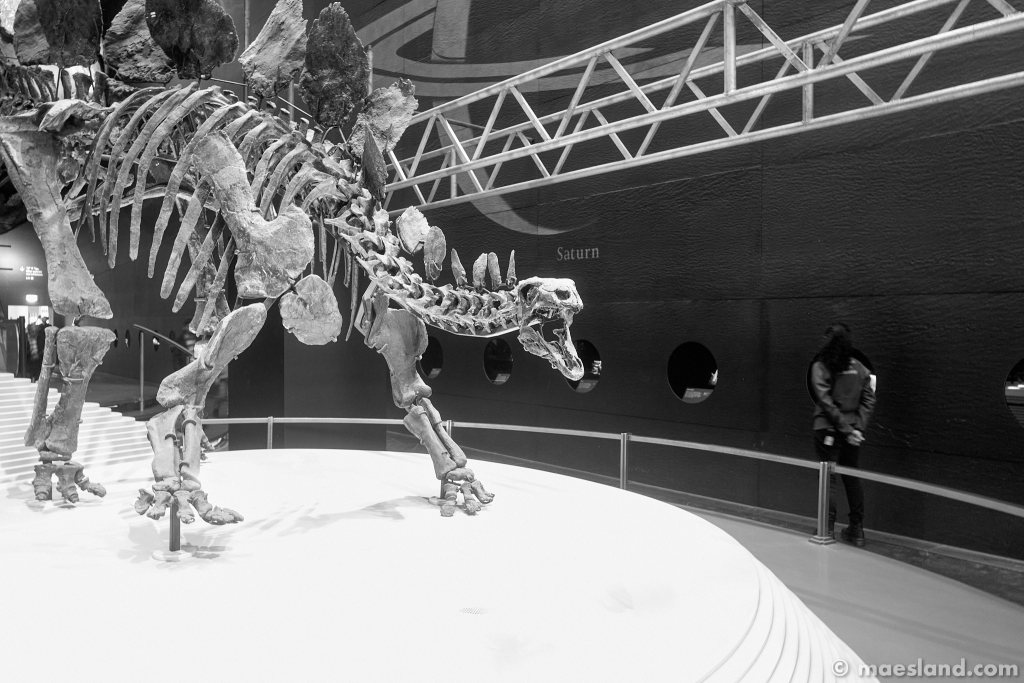
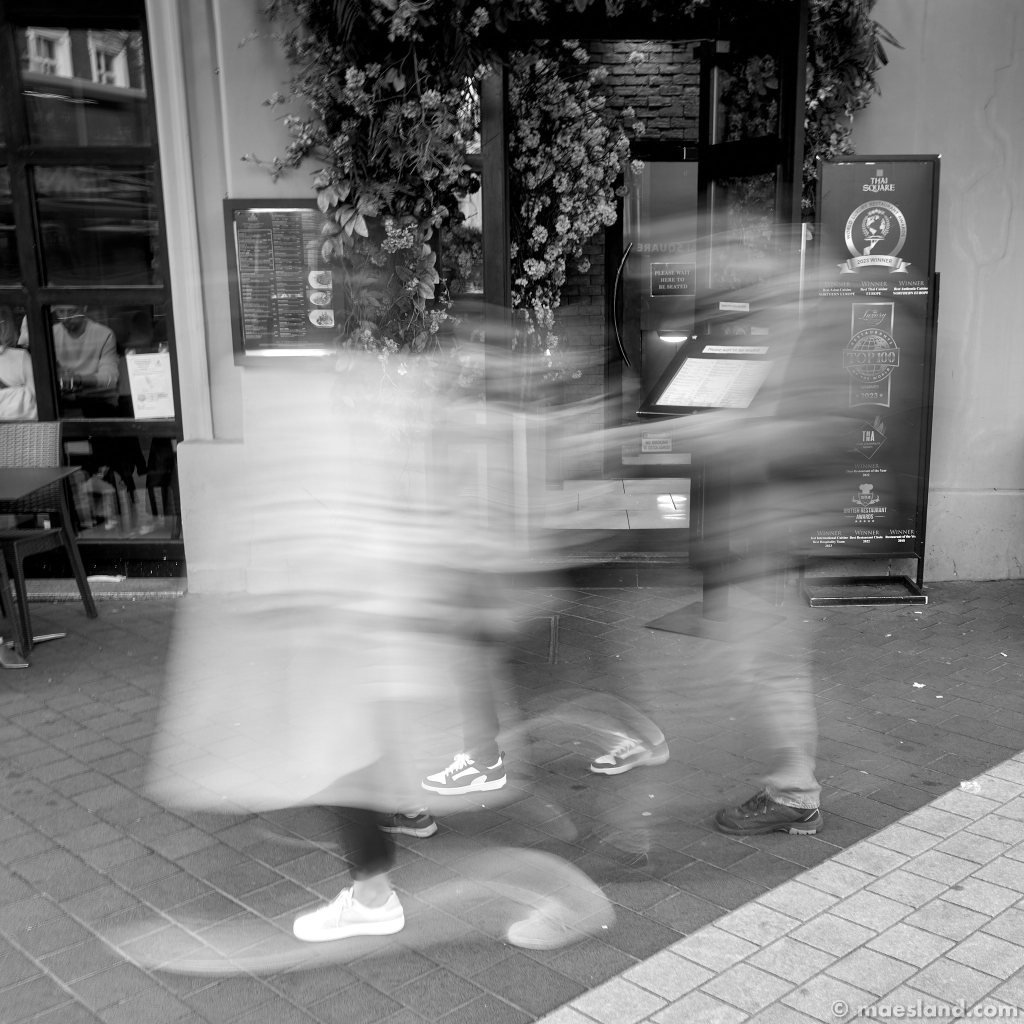

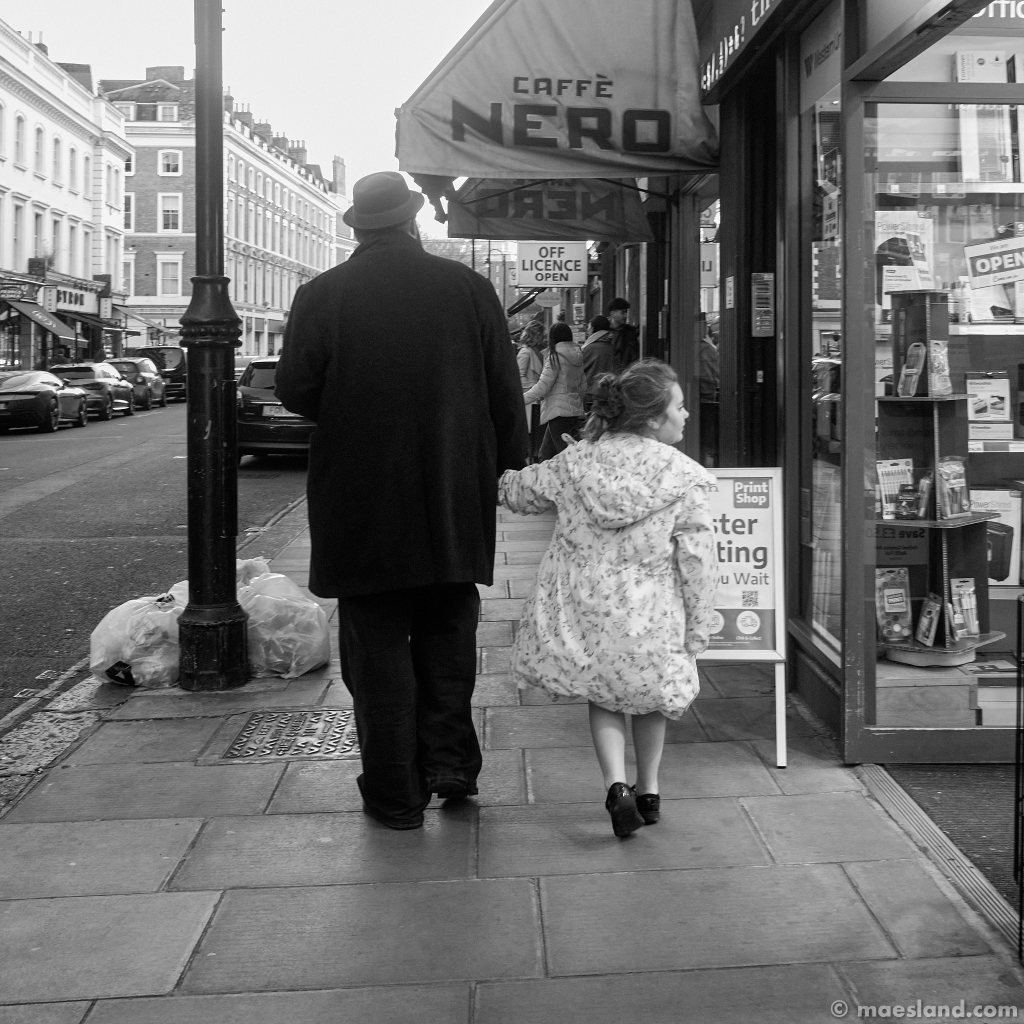
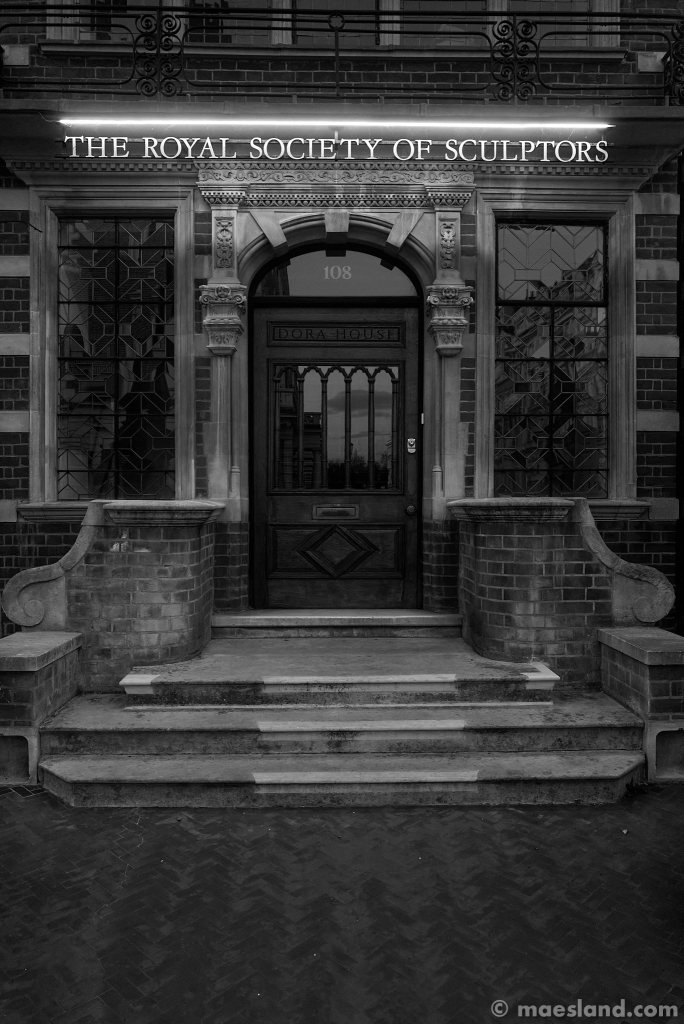
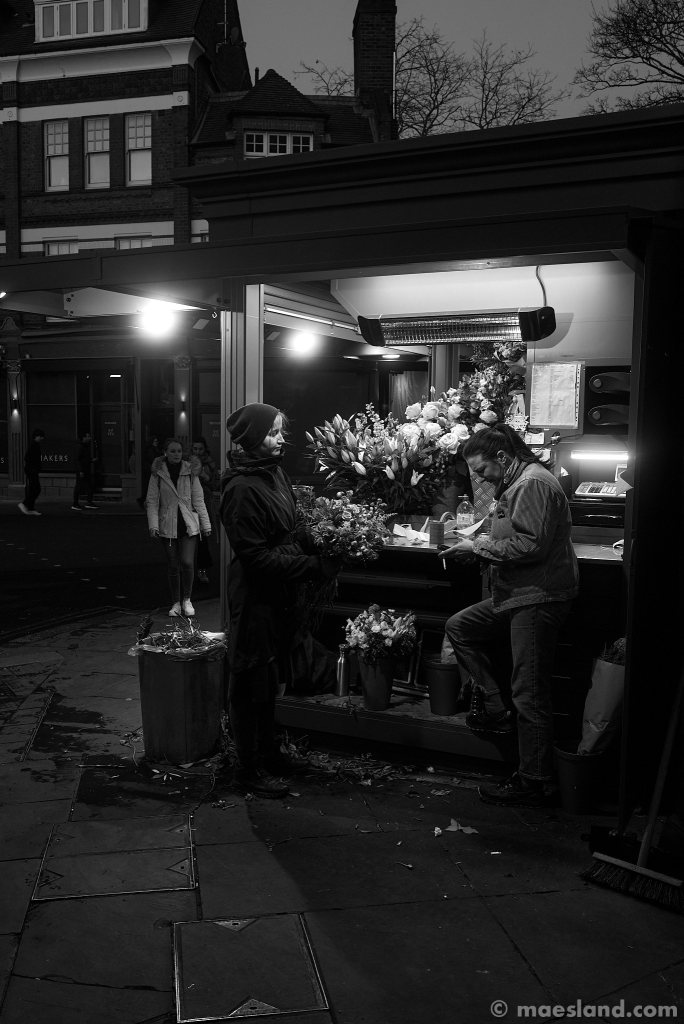
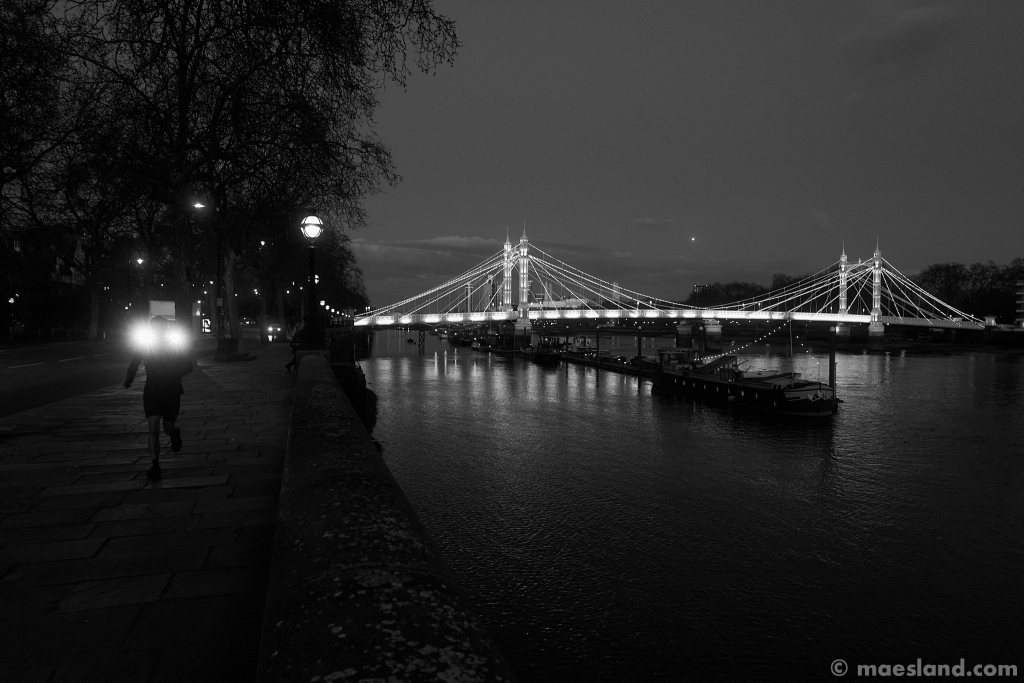
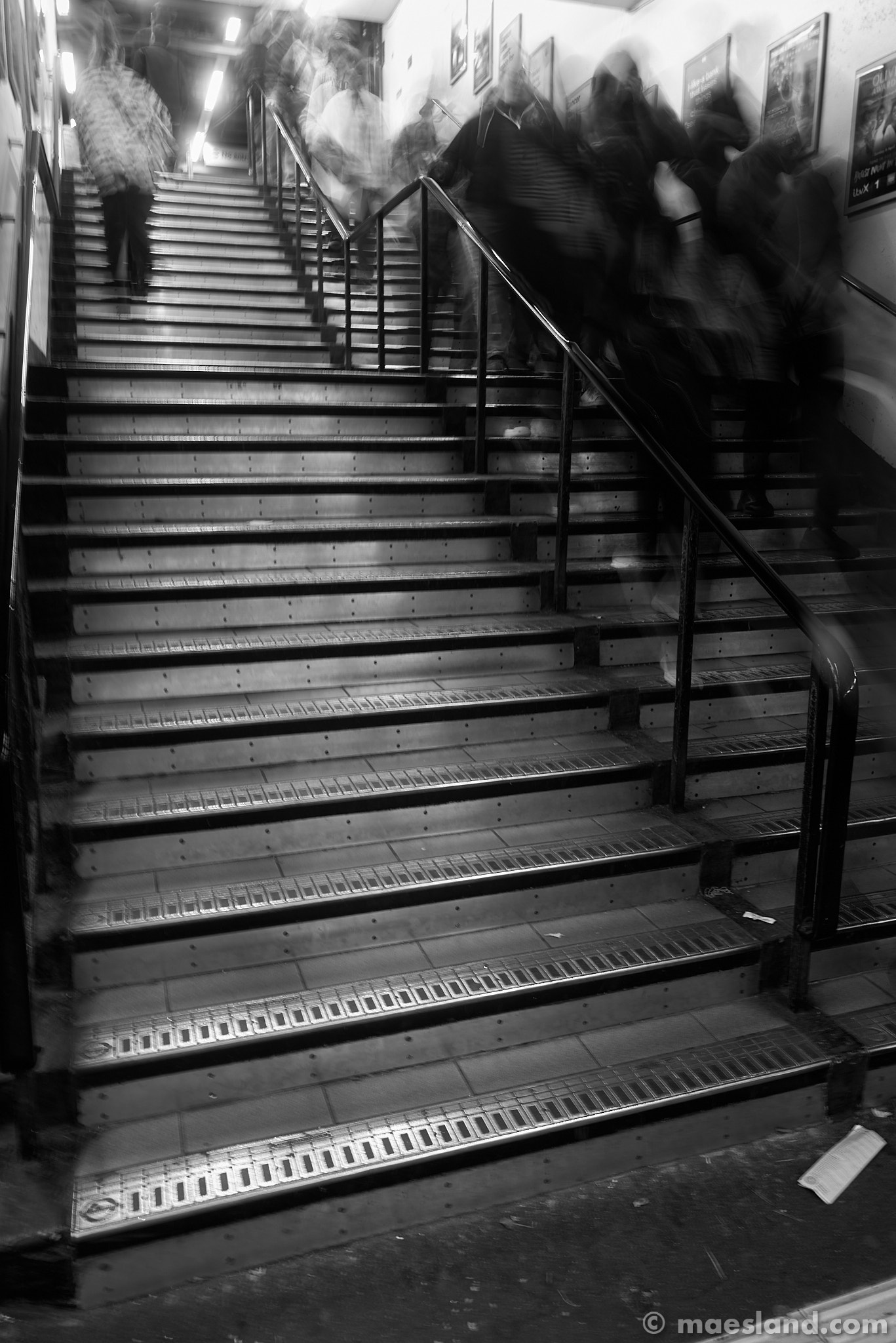
London, March 2025
-
Snowy Beaune
We’re usually in Beaune at more pleasant temperatures.
The Burgundy town has everything France is great at;
Restaurants, wines, cheeses, art galleries and lovely shops.
Wine maker Patriarche sources its wines in the entire area, and has 600+ appelations under its umbrella. Go for a tasting in the underground hallways, where they stock their bottles in 5km (!) of labyrinths.
(click any of the images to cycle through and see higher resolution)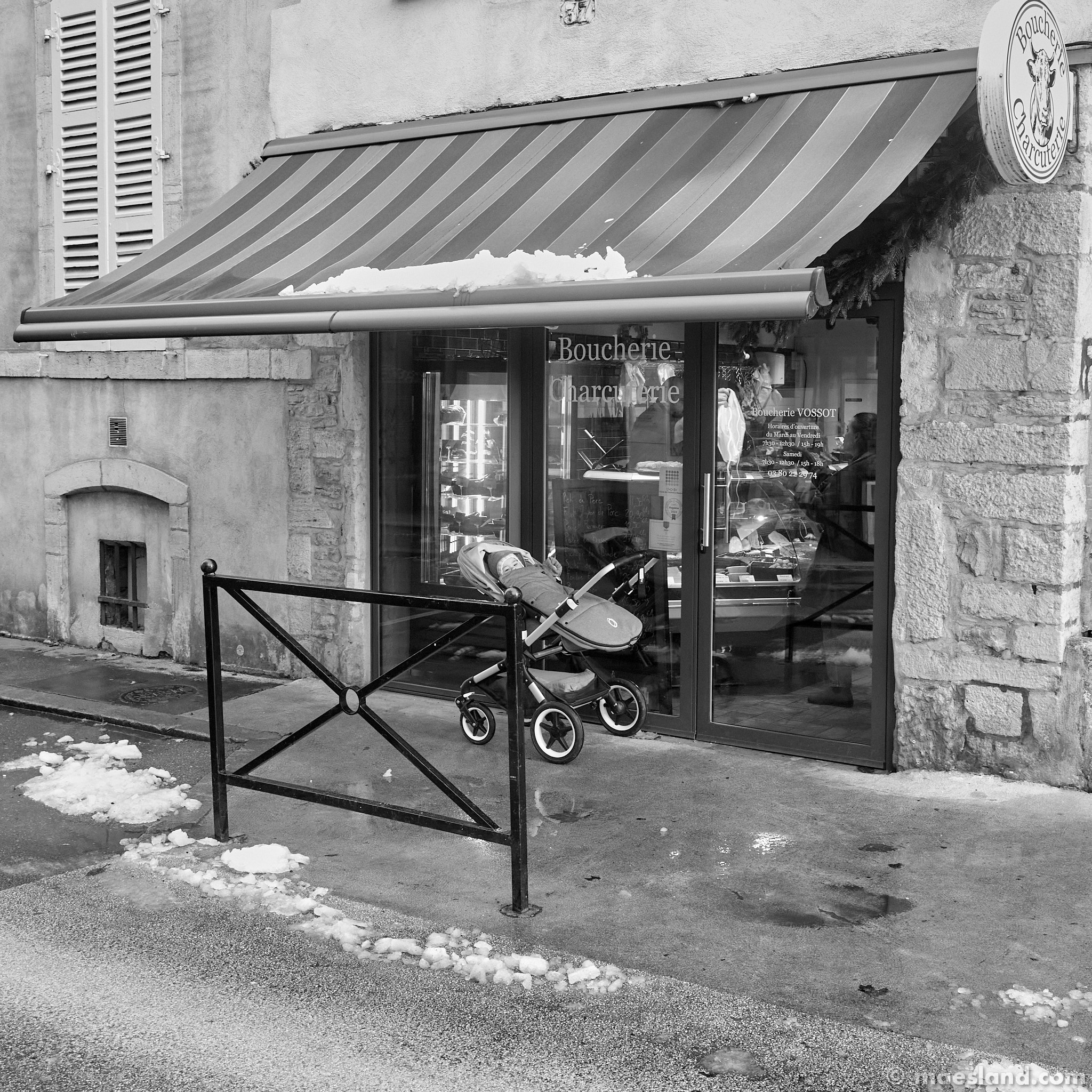
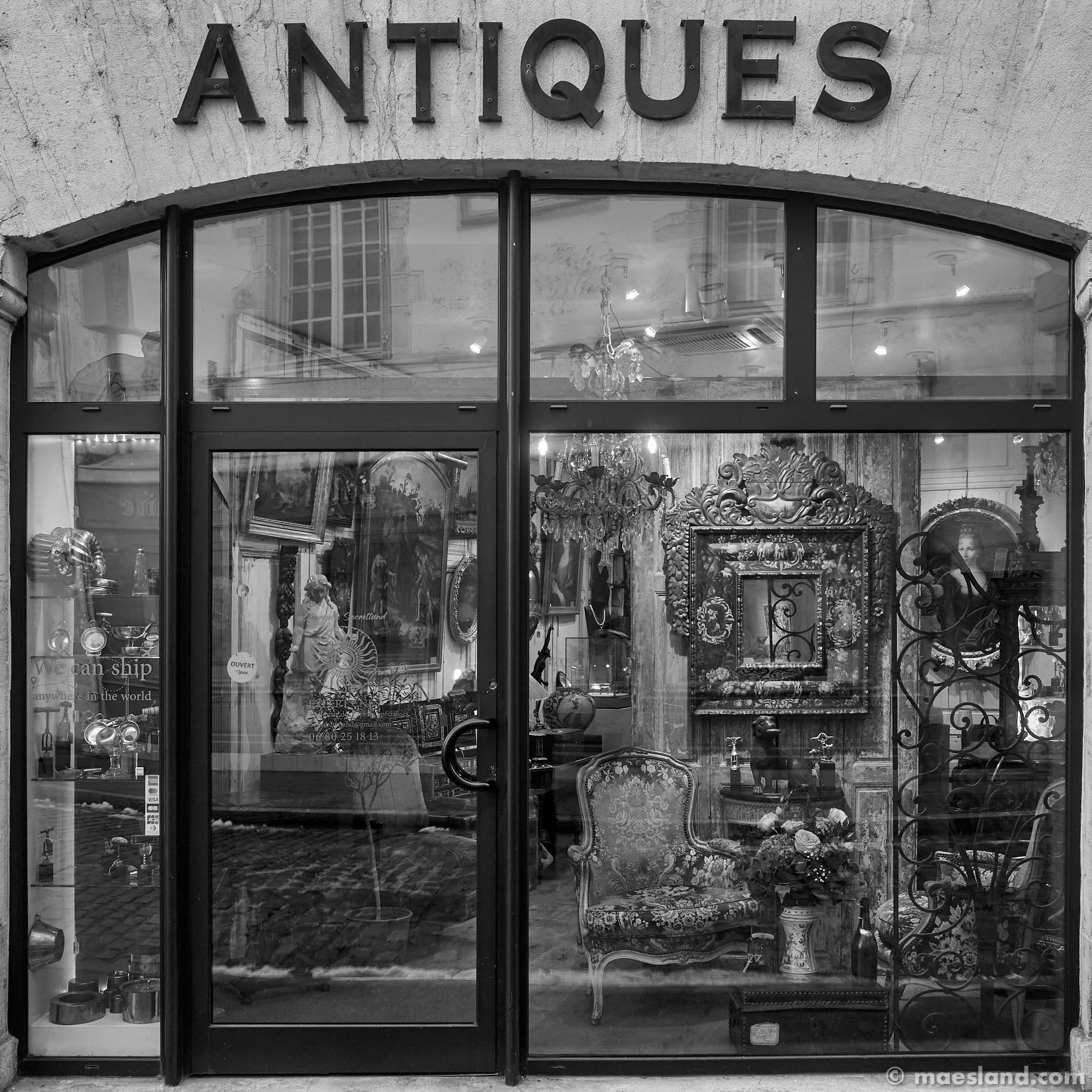
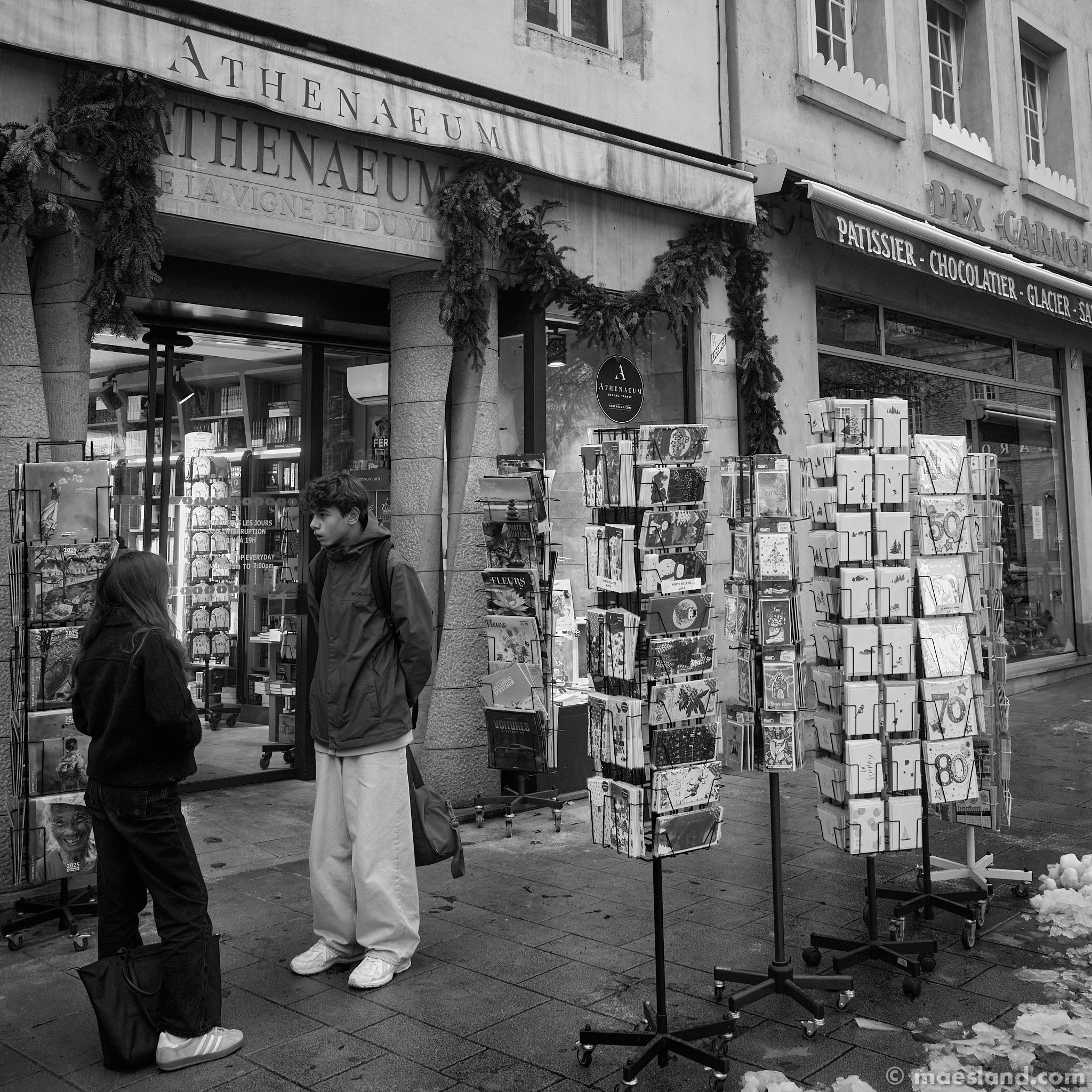
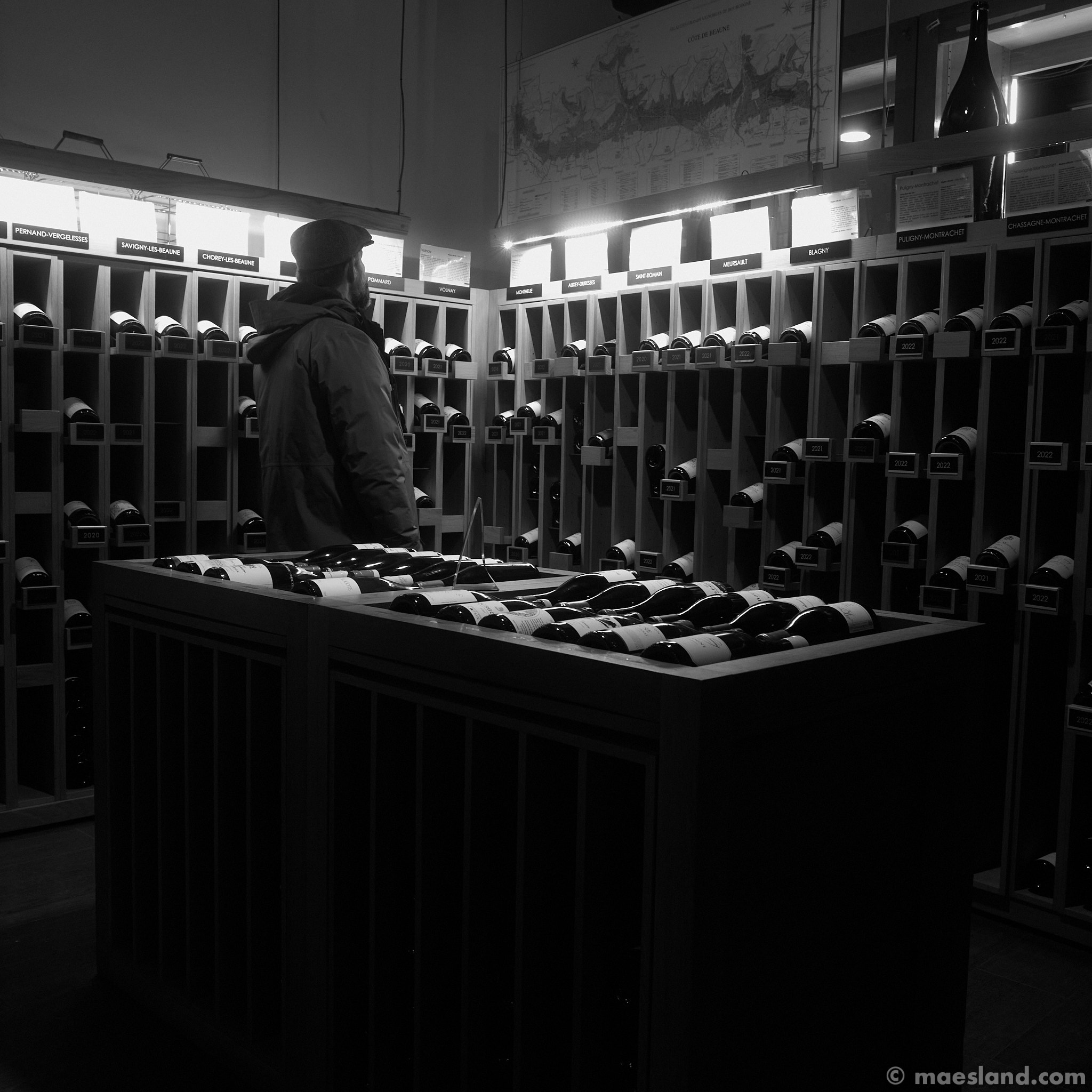
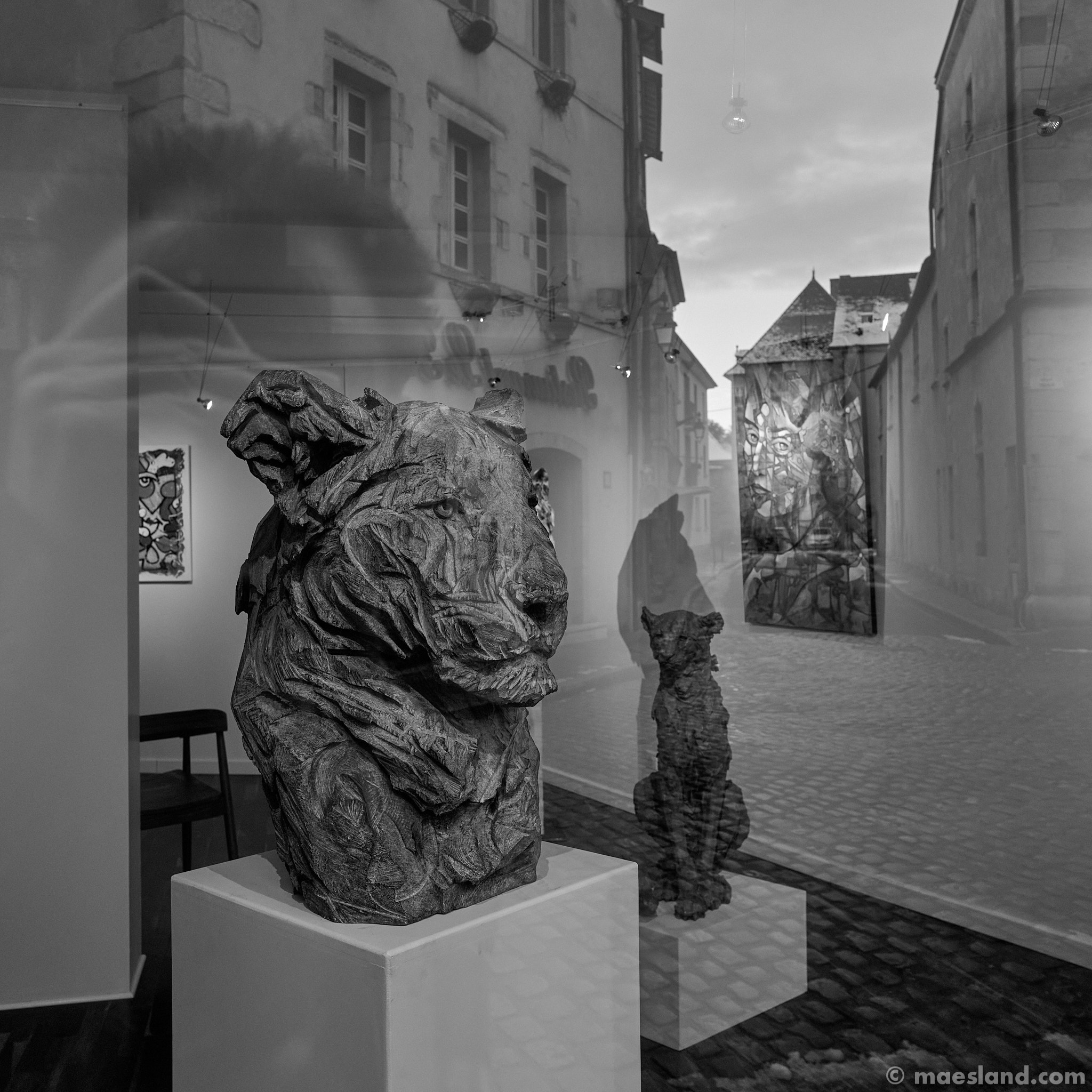
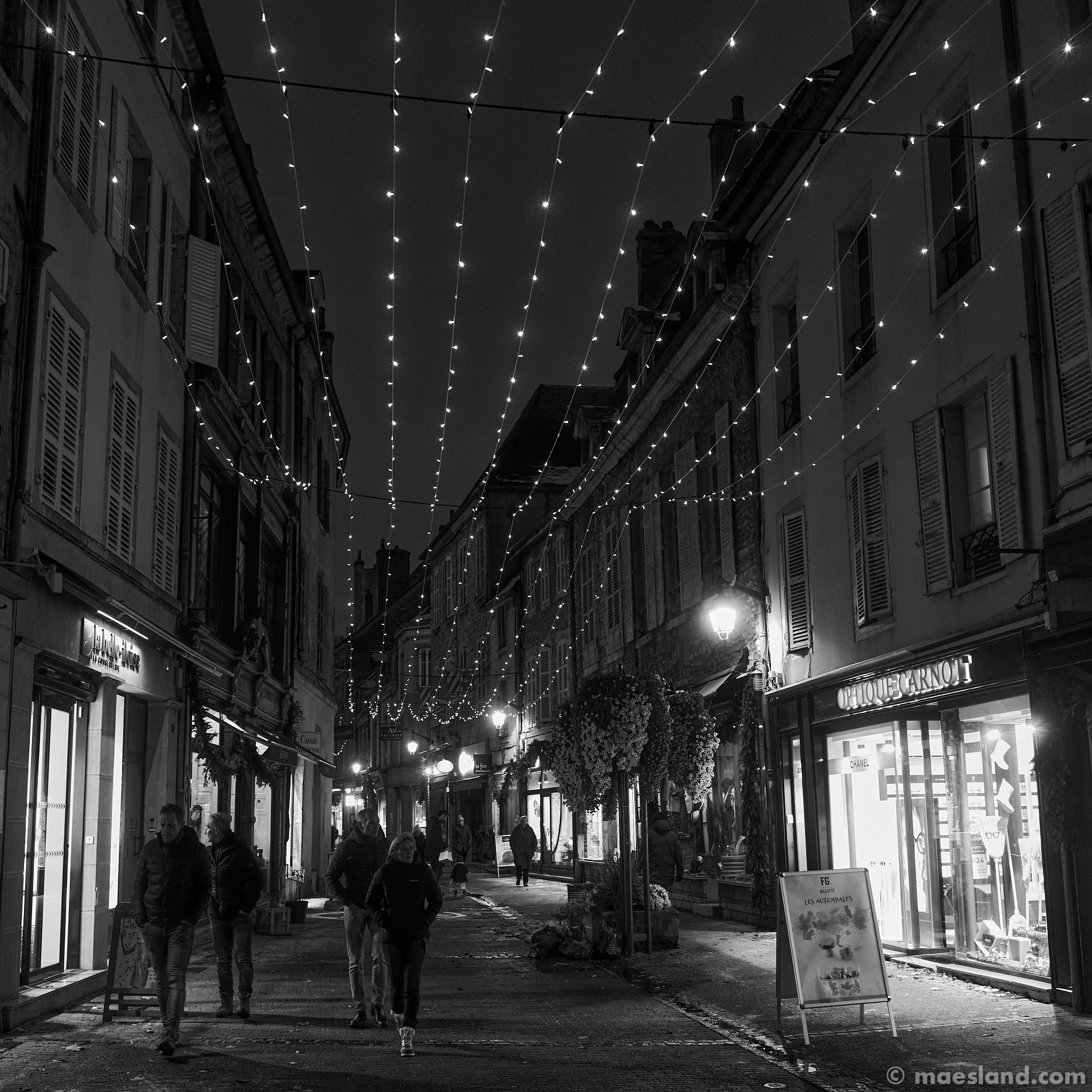


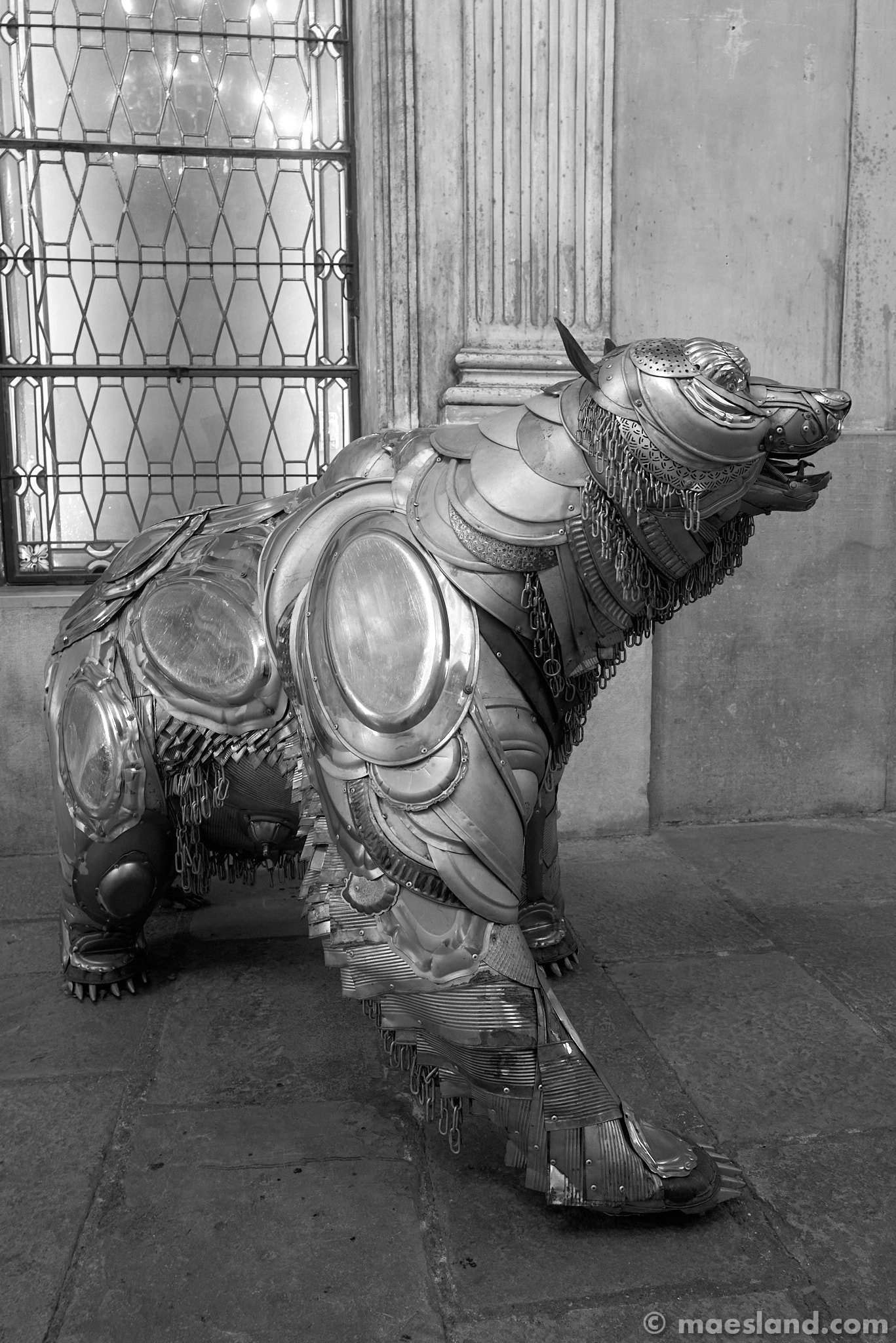
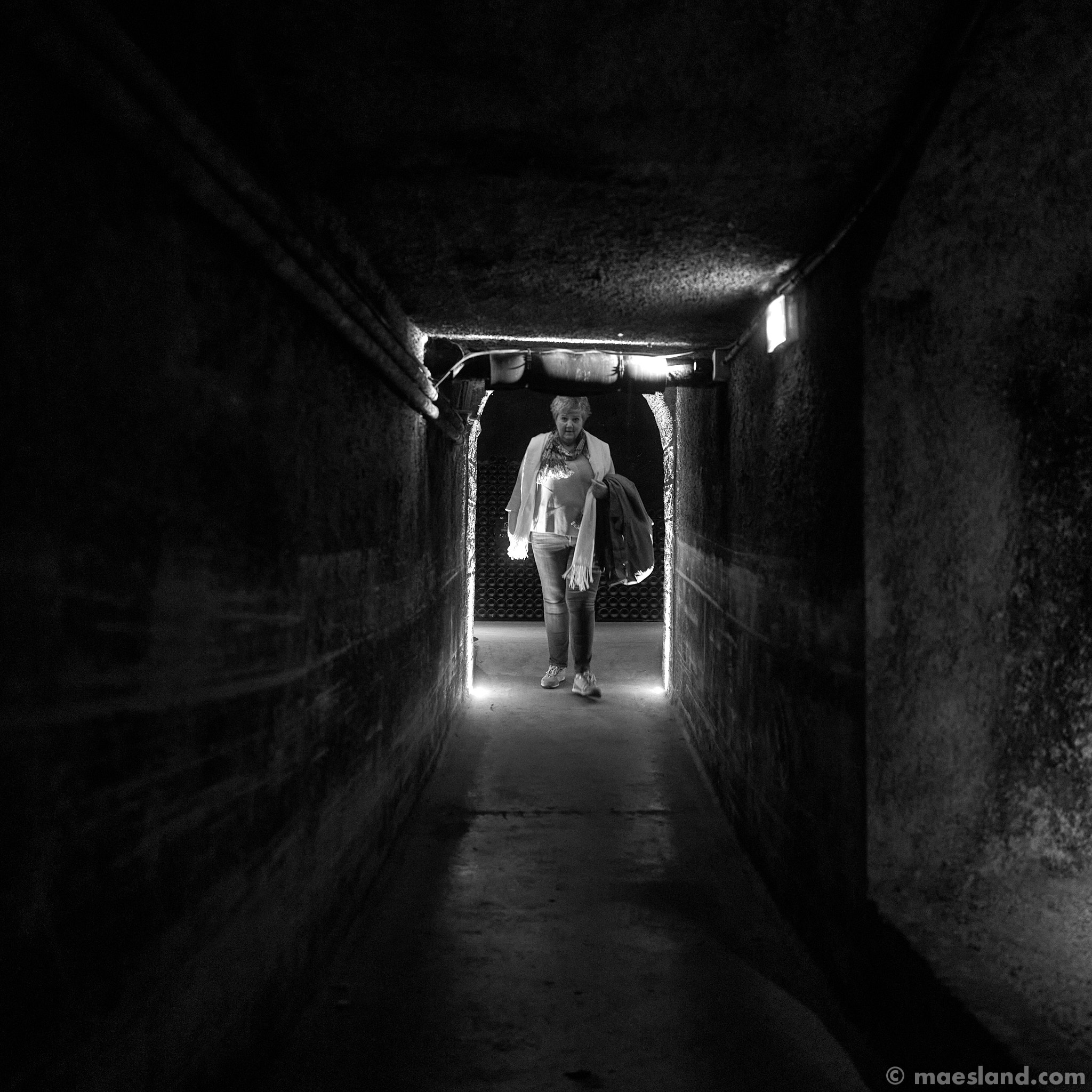
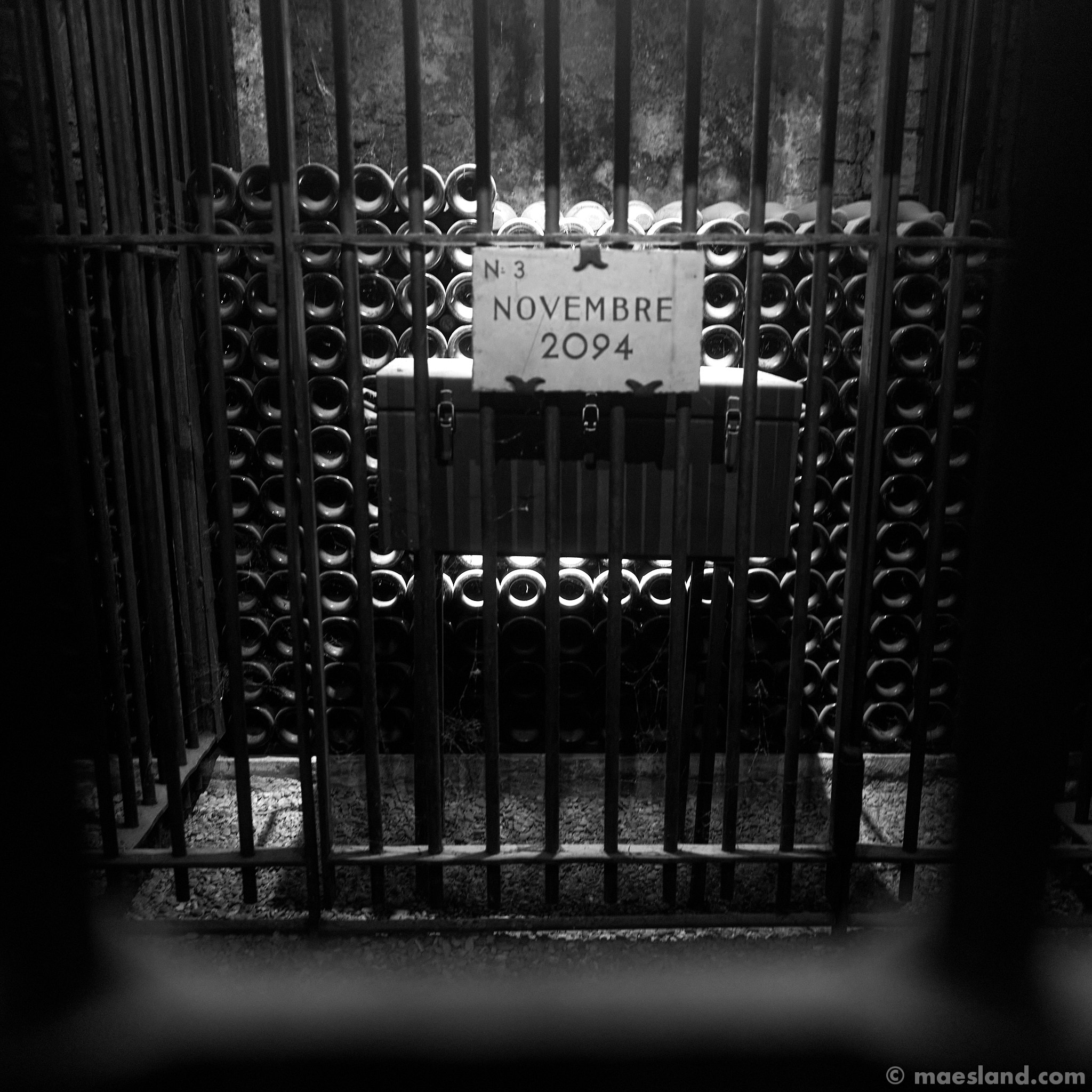
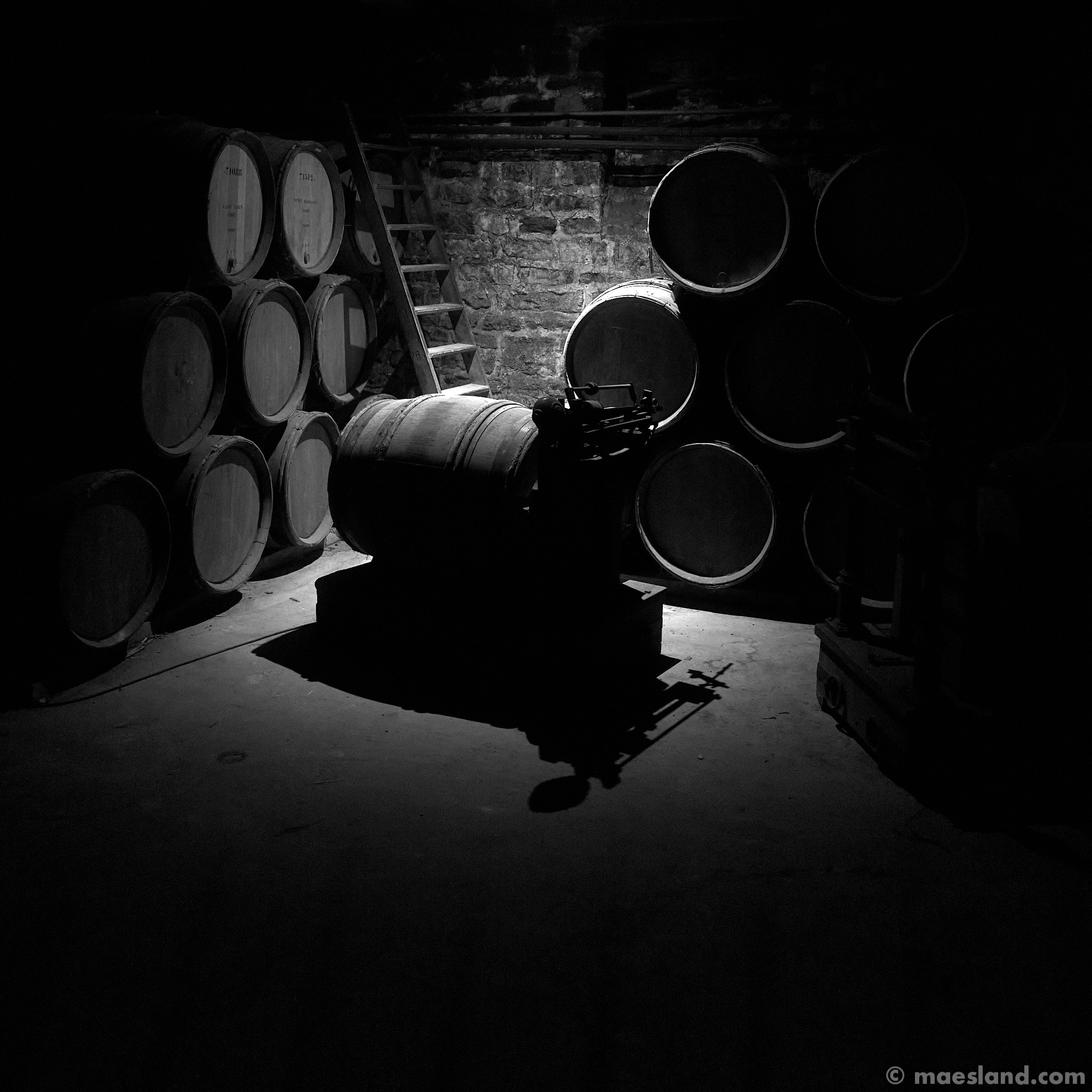
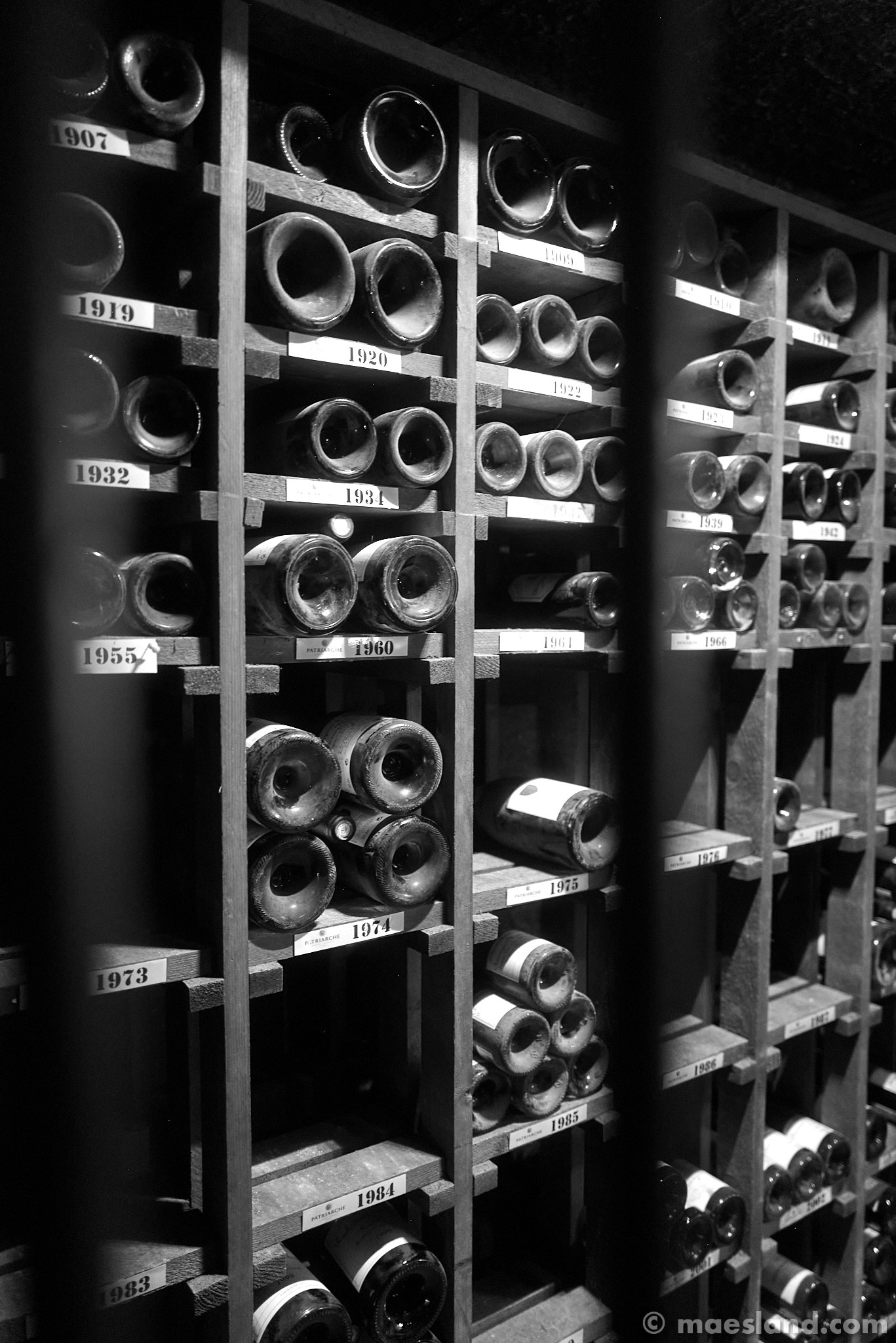

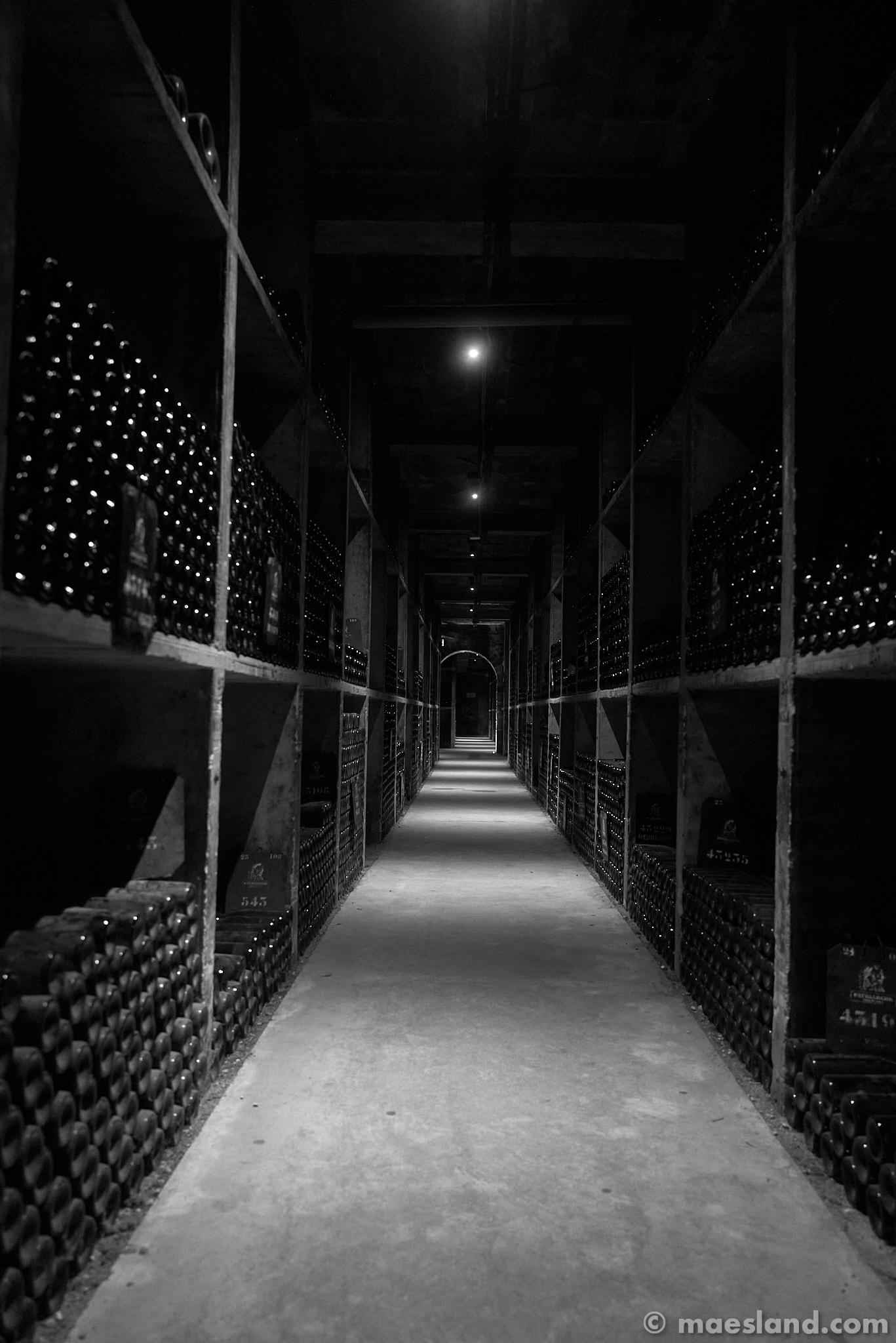

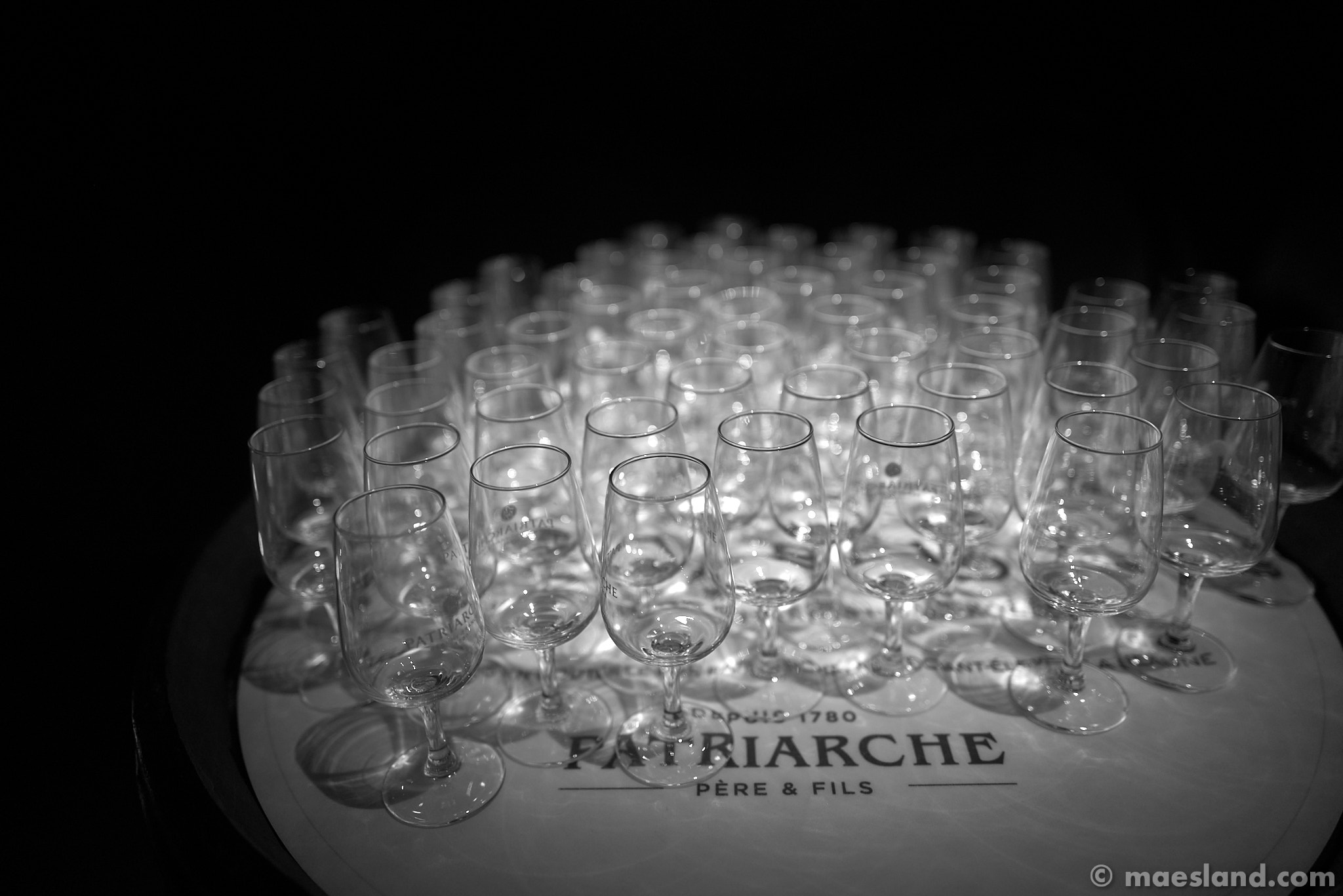
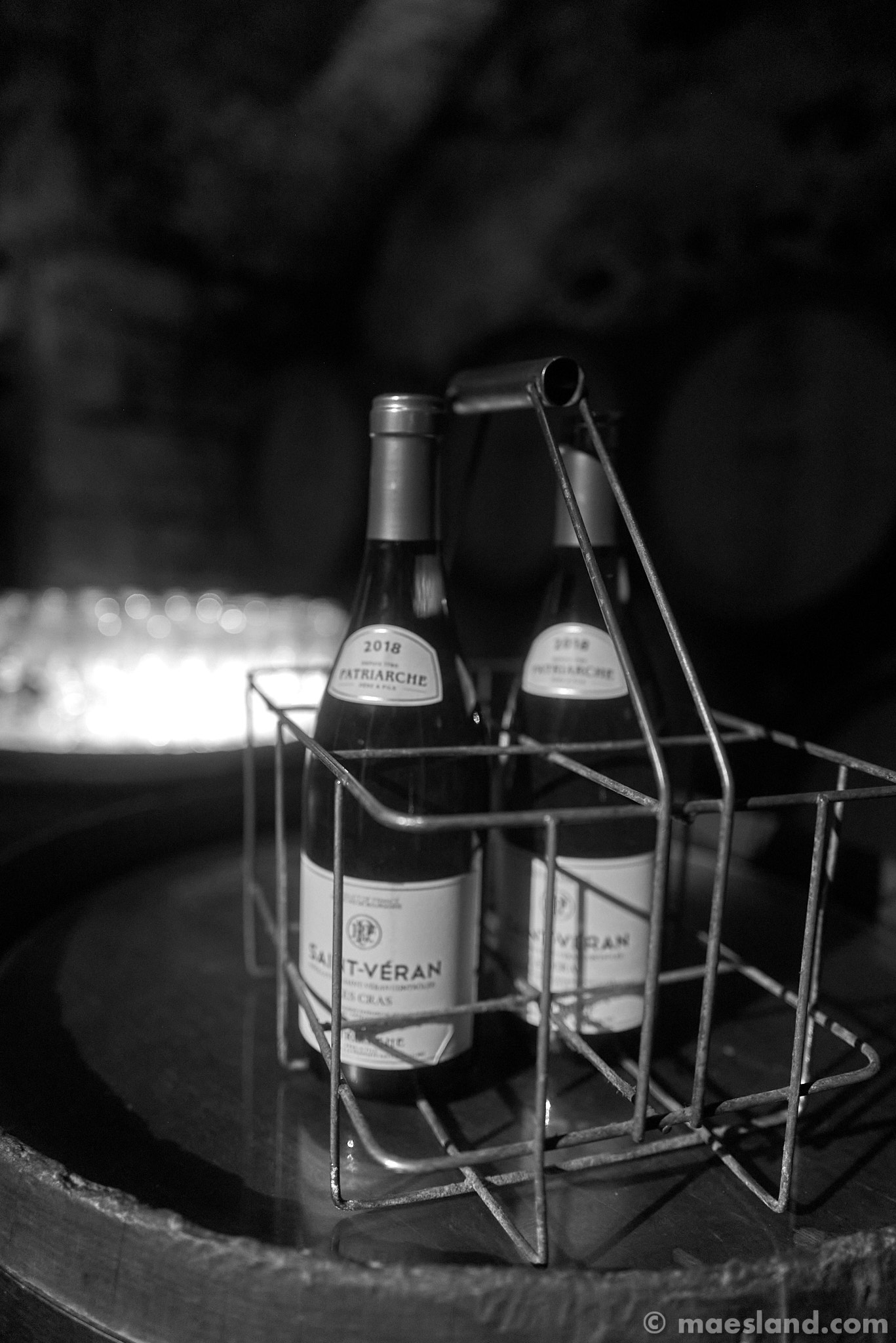
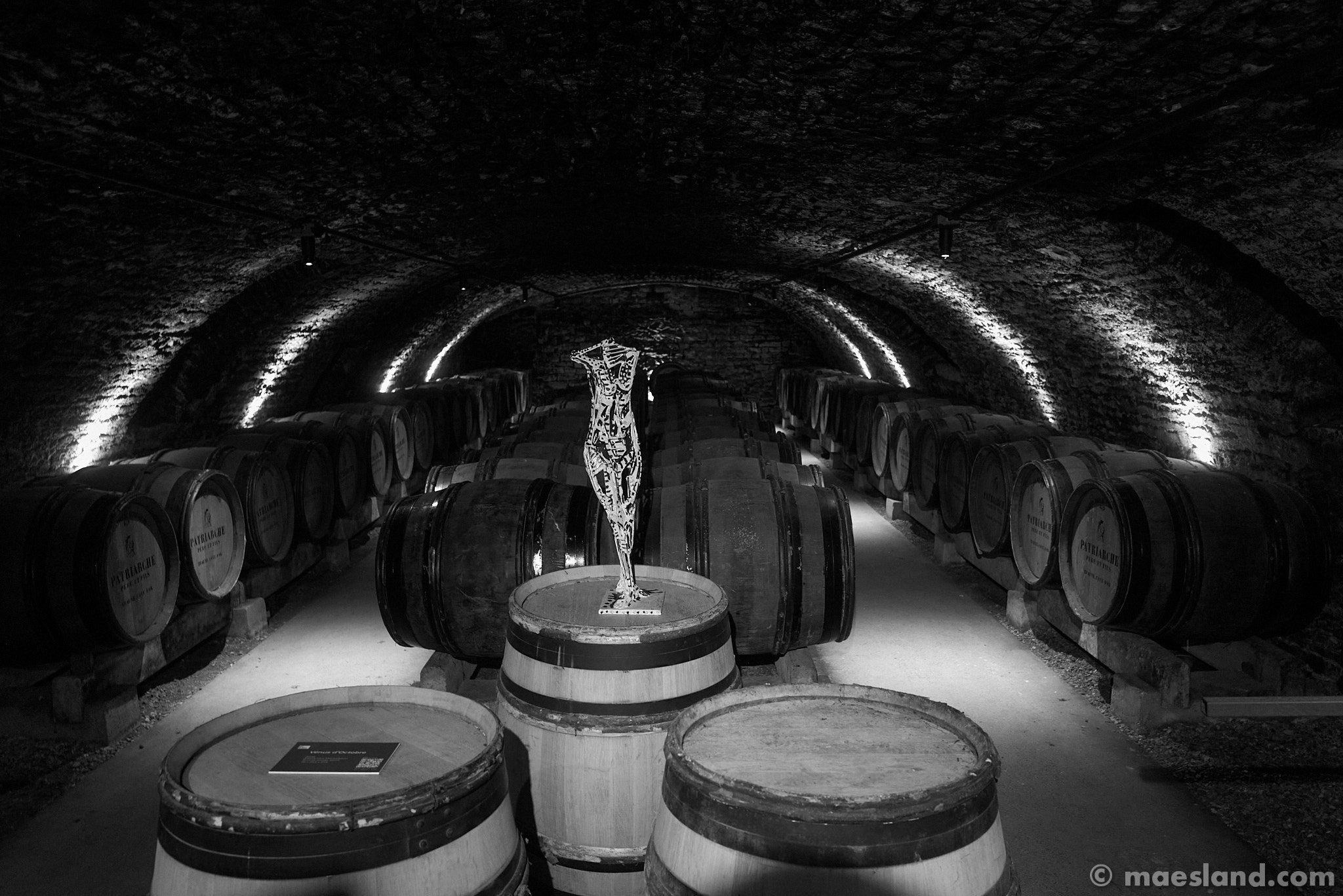
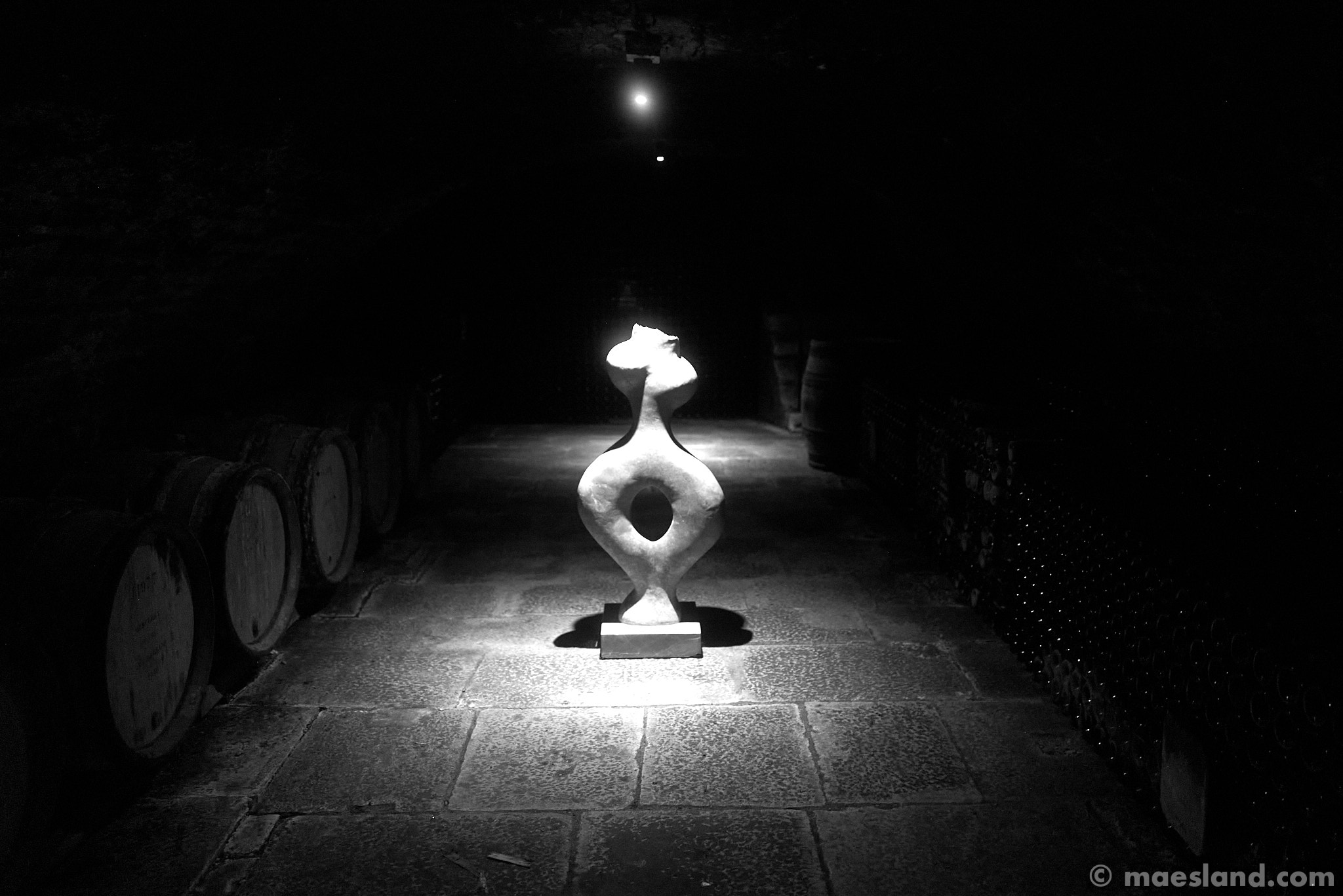
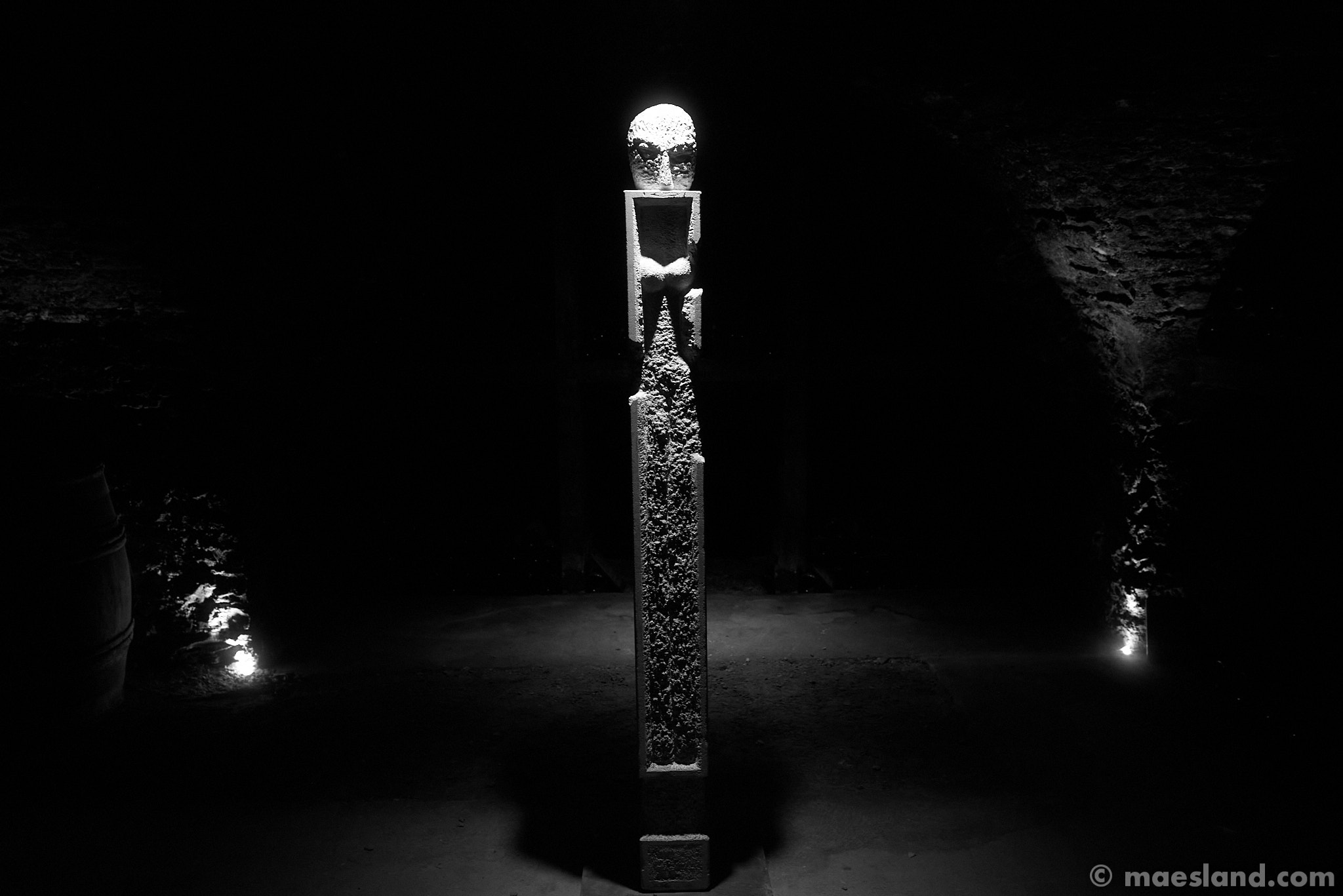
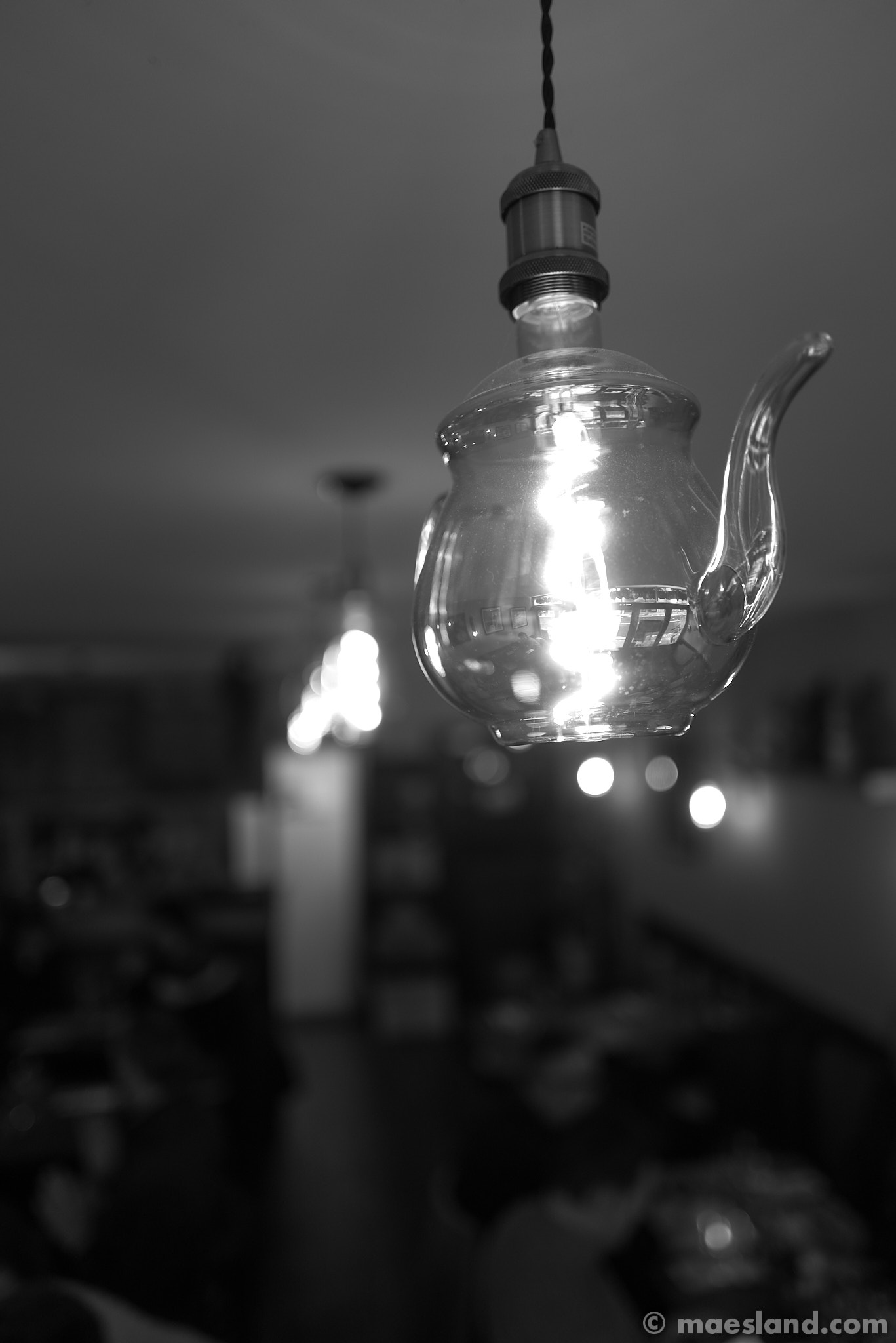
Beaune, November 2024
-
London
I was going
to write a bit of text,
but this time
I’ll let the pictures speak.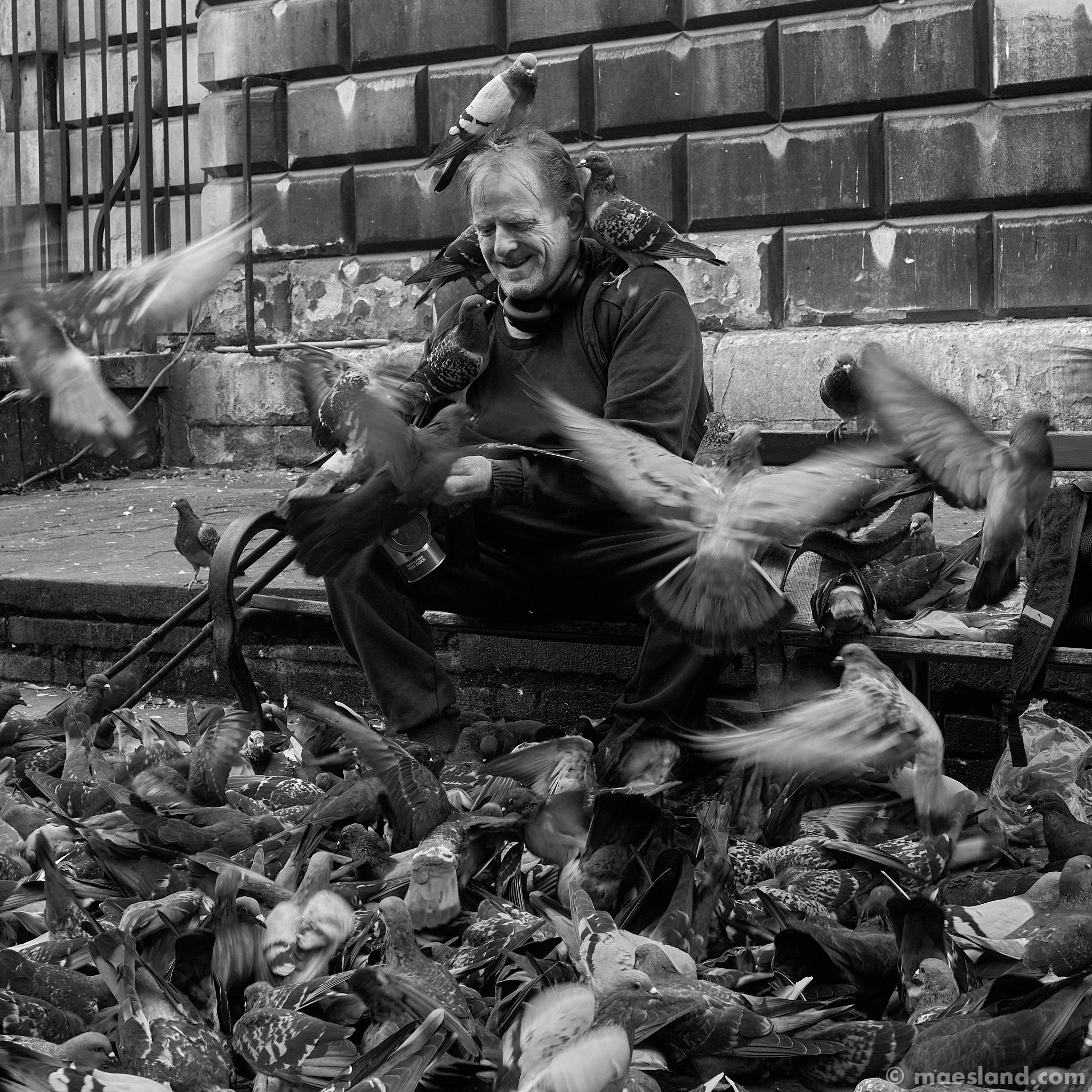
Here’s the rest …
(click one to start the carousel)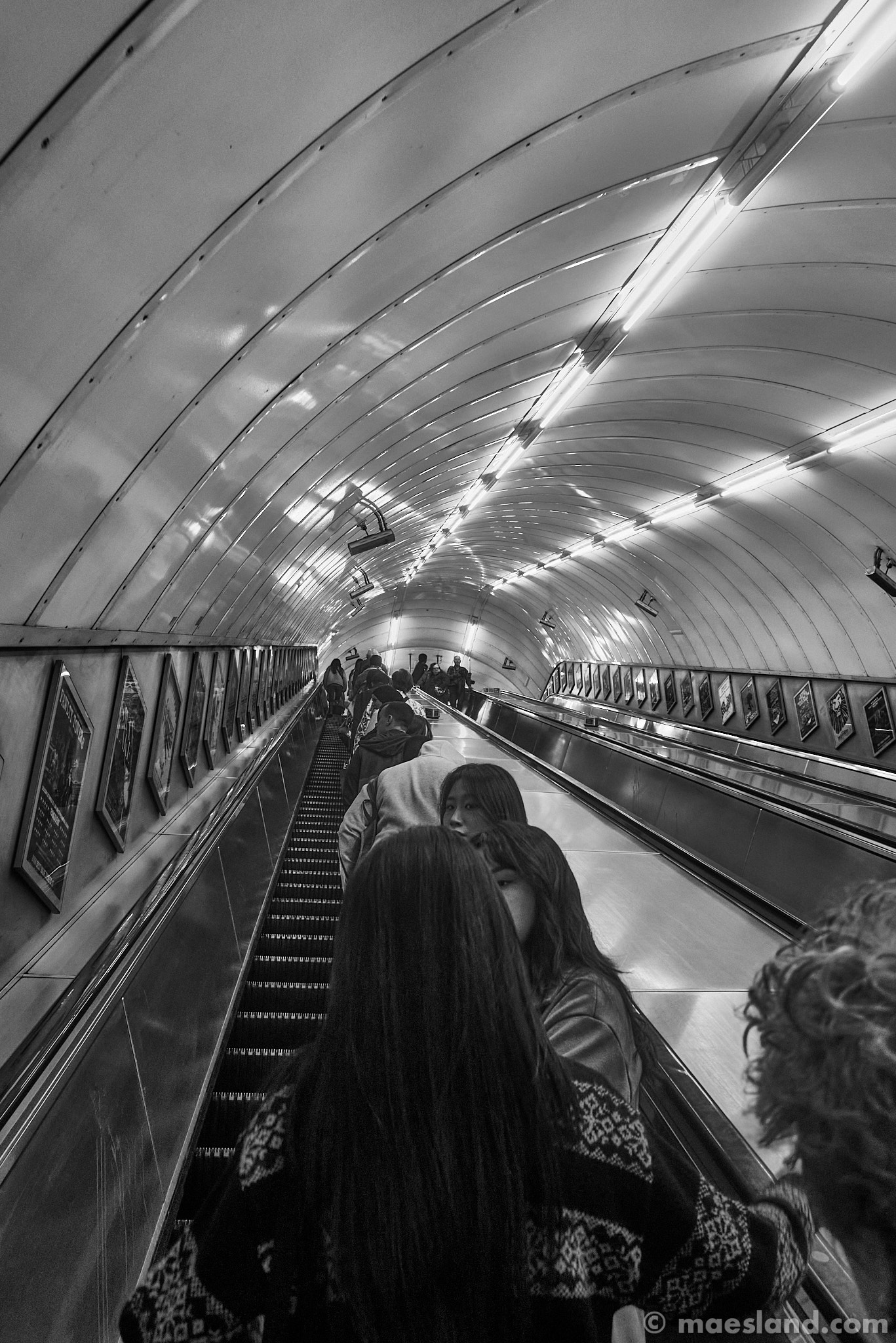
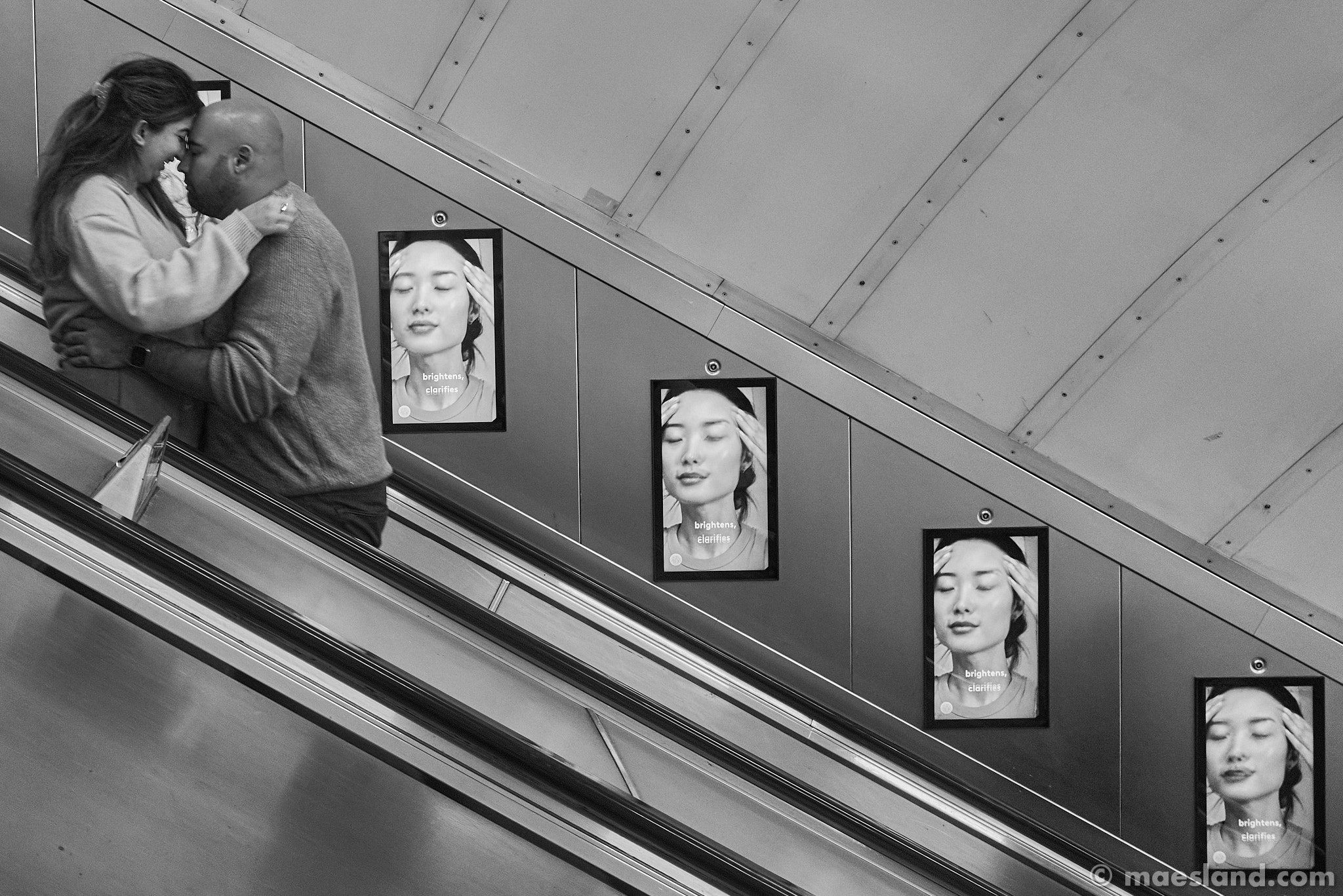
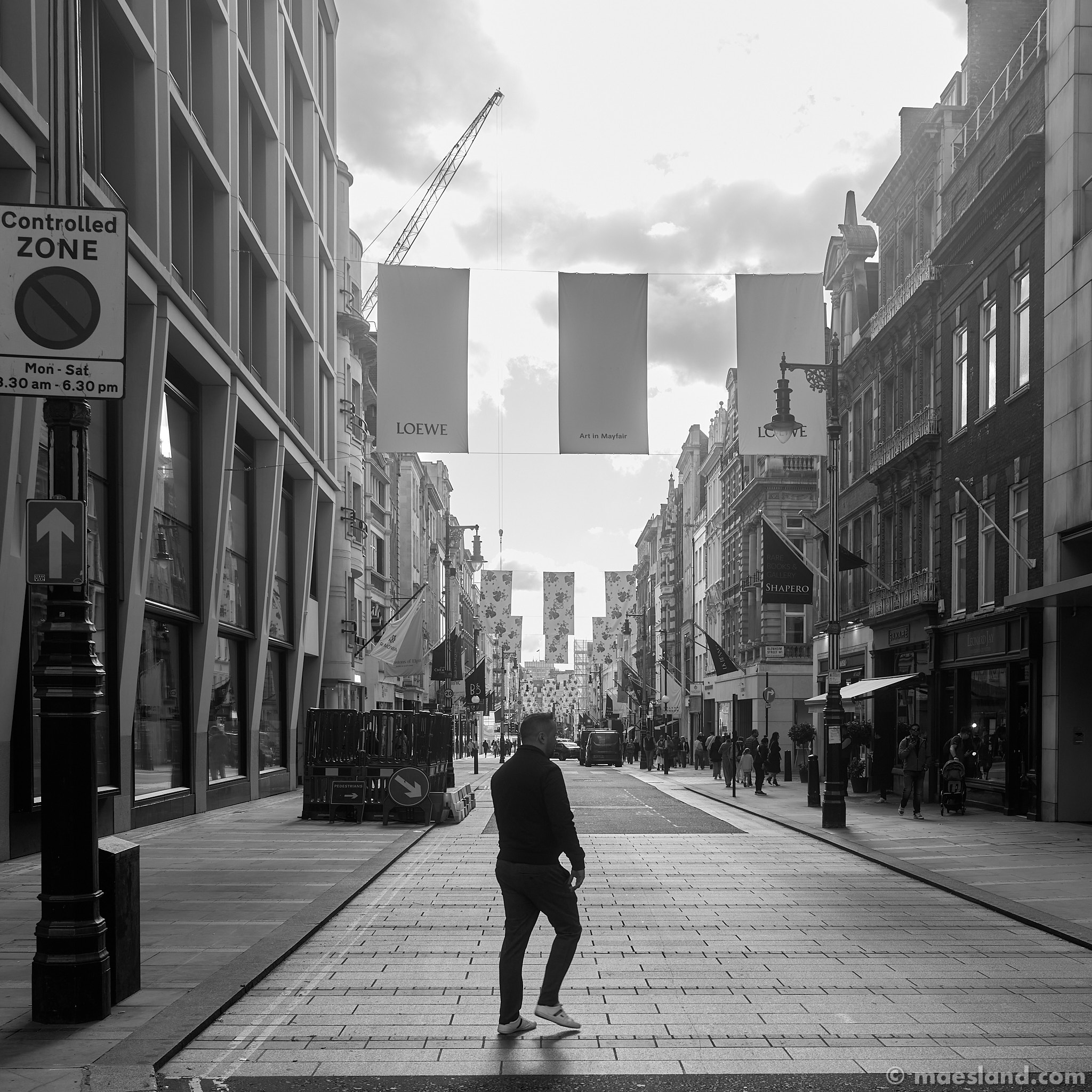
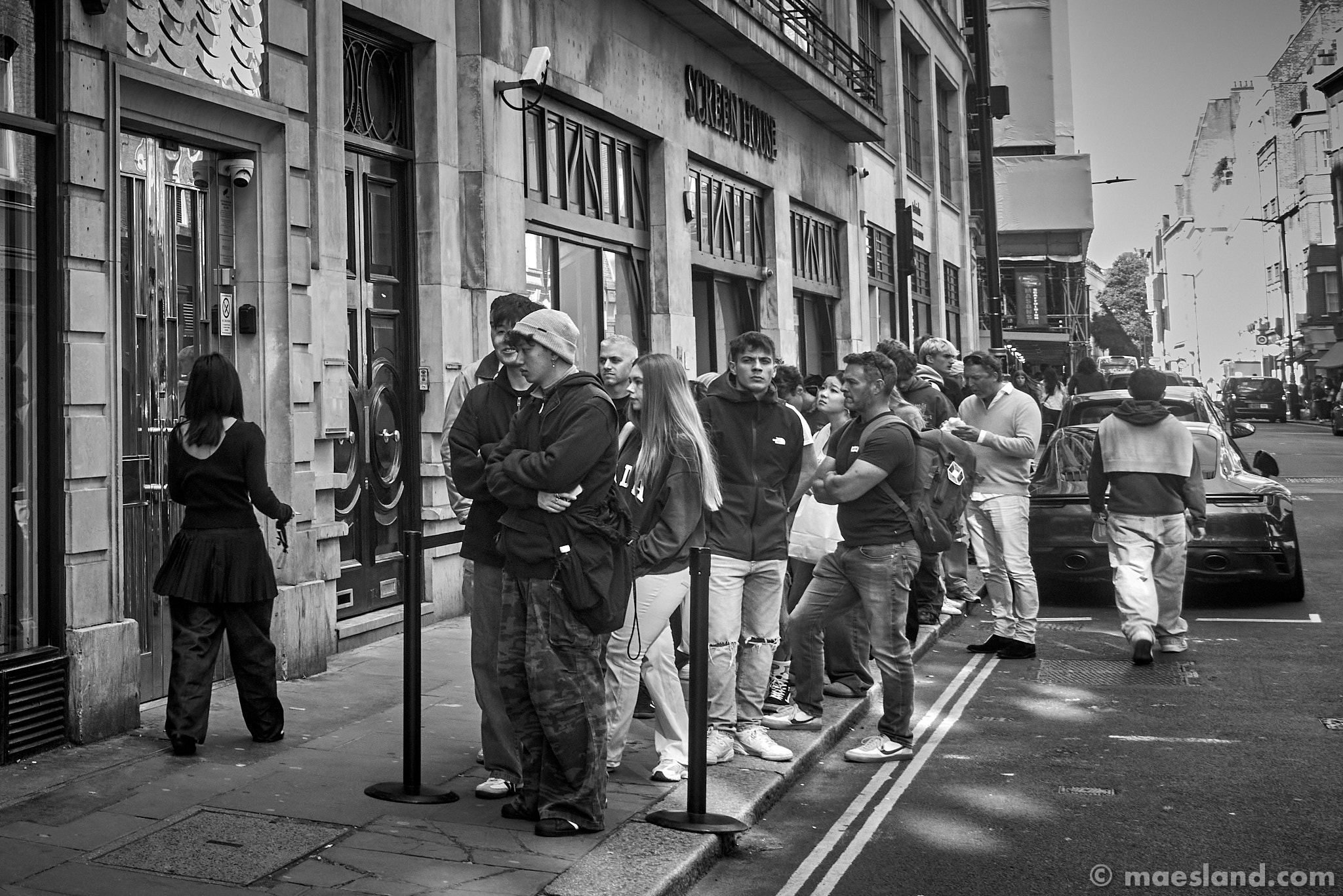
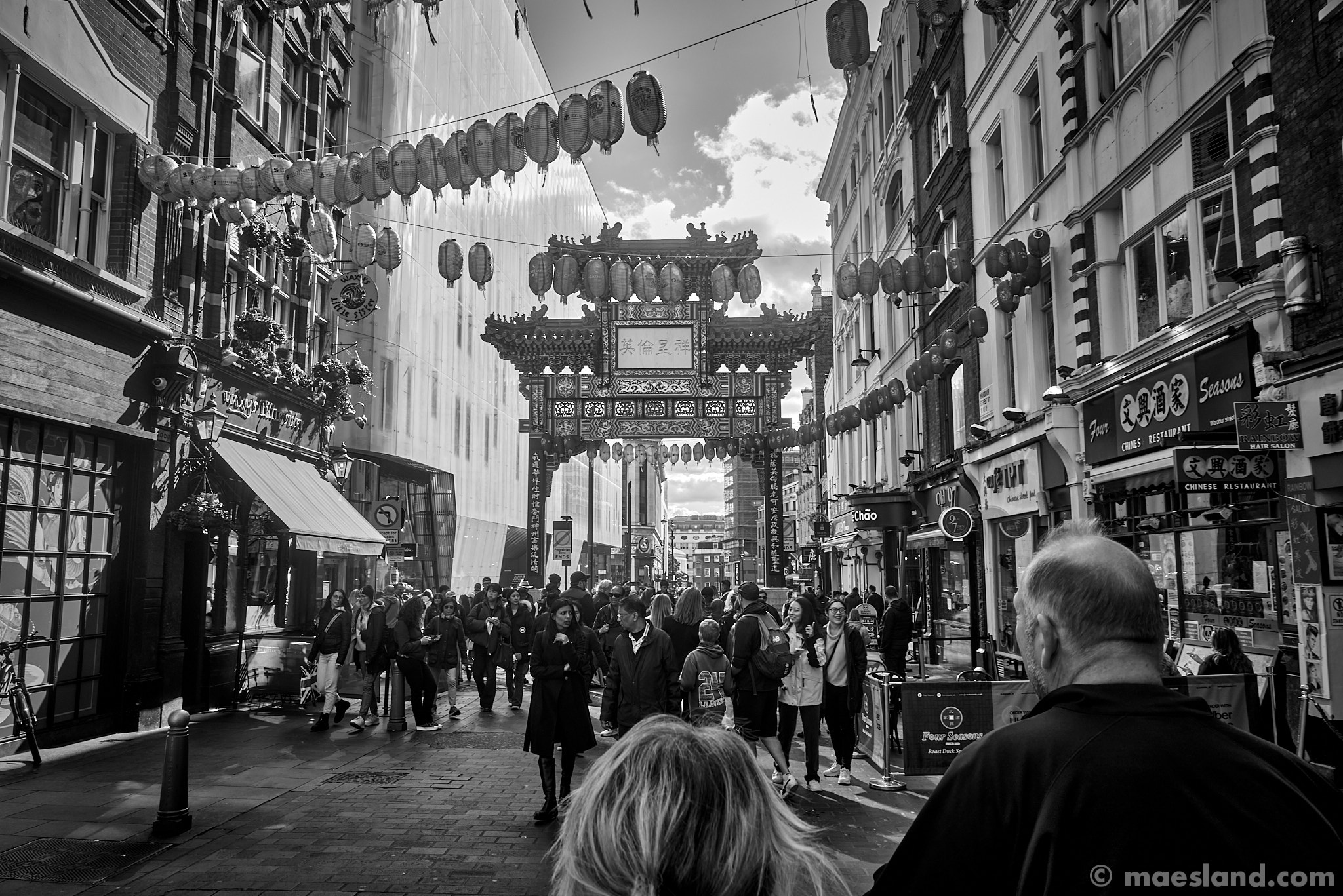
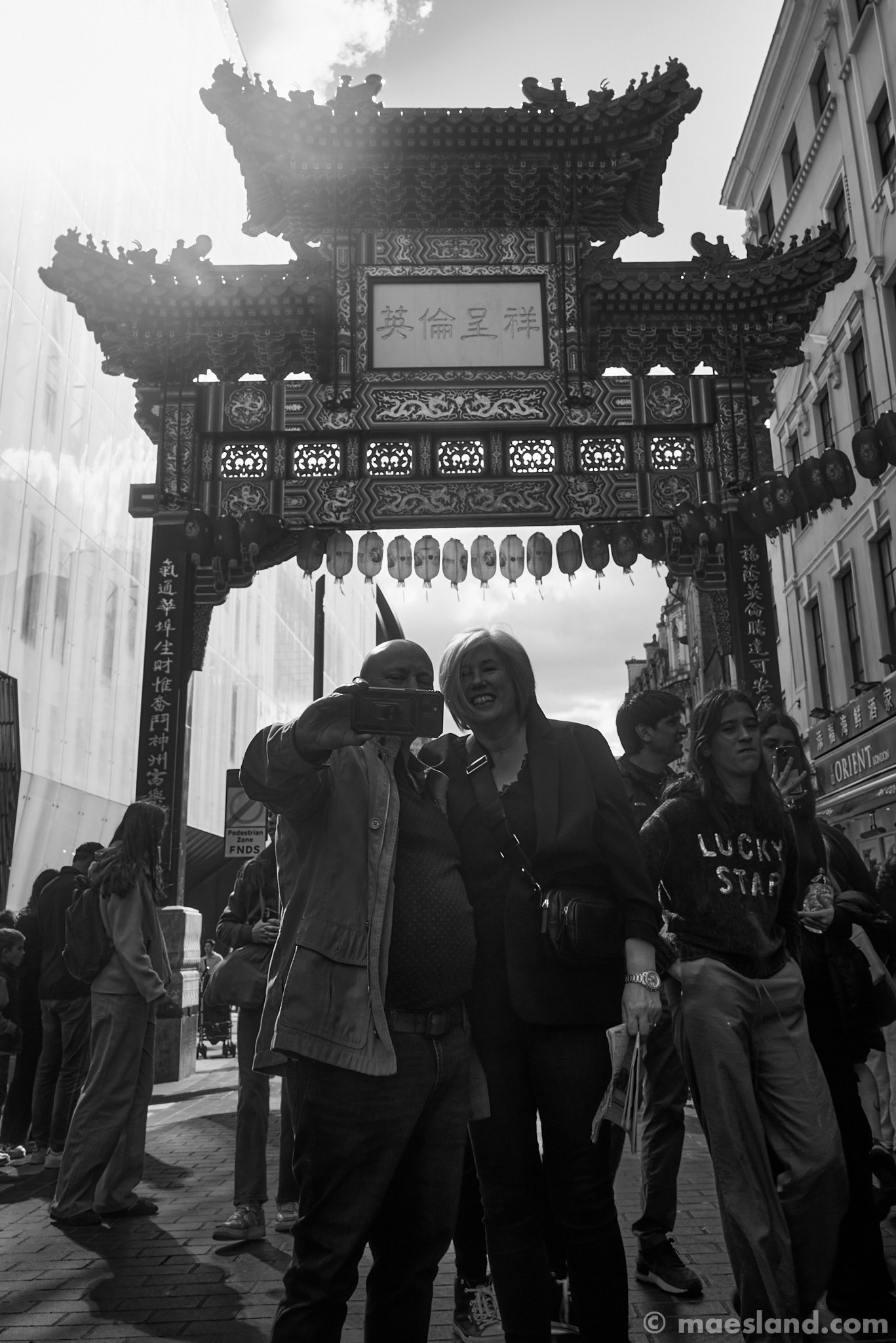
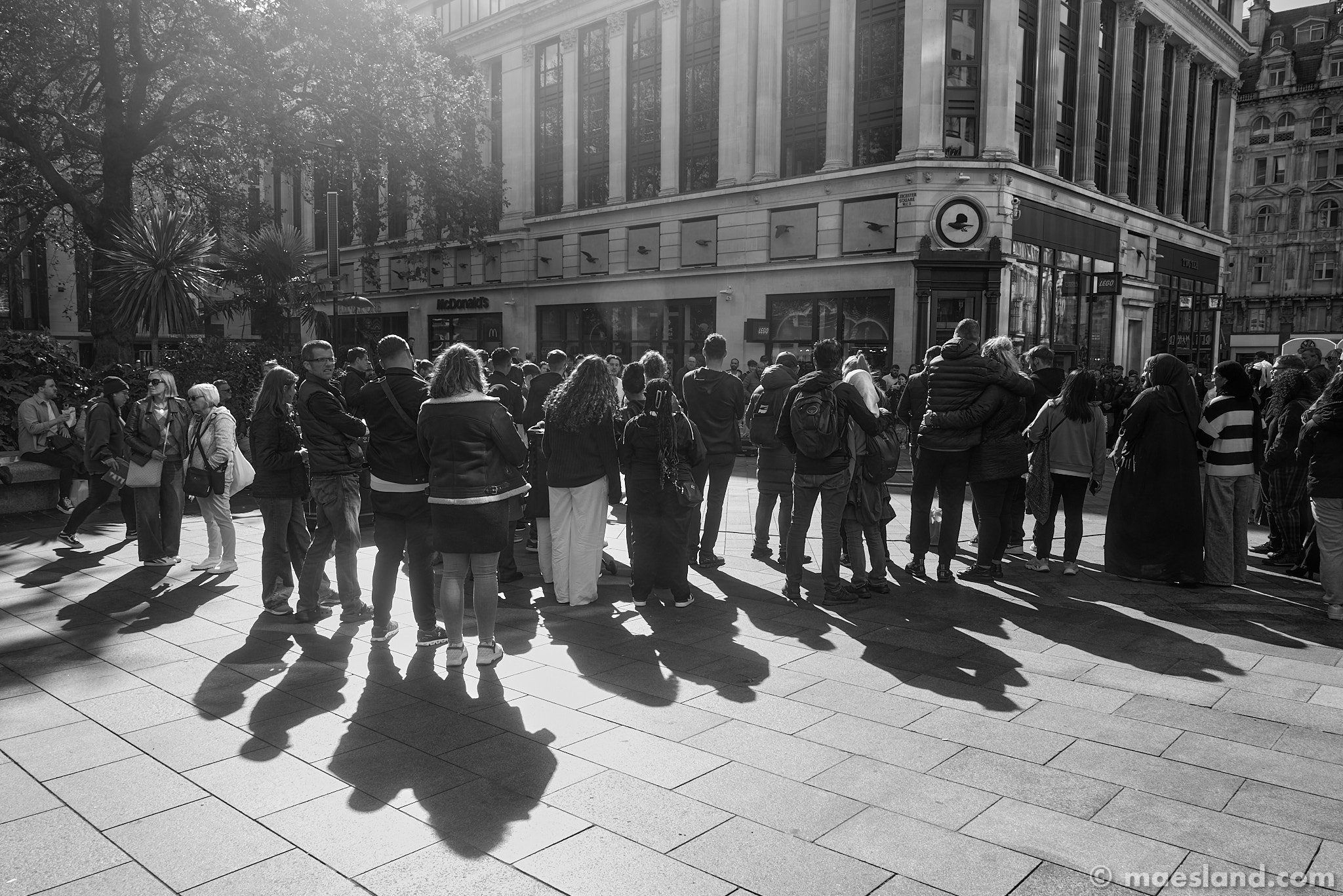
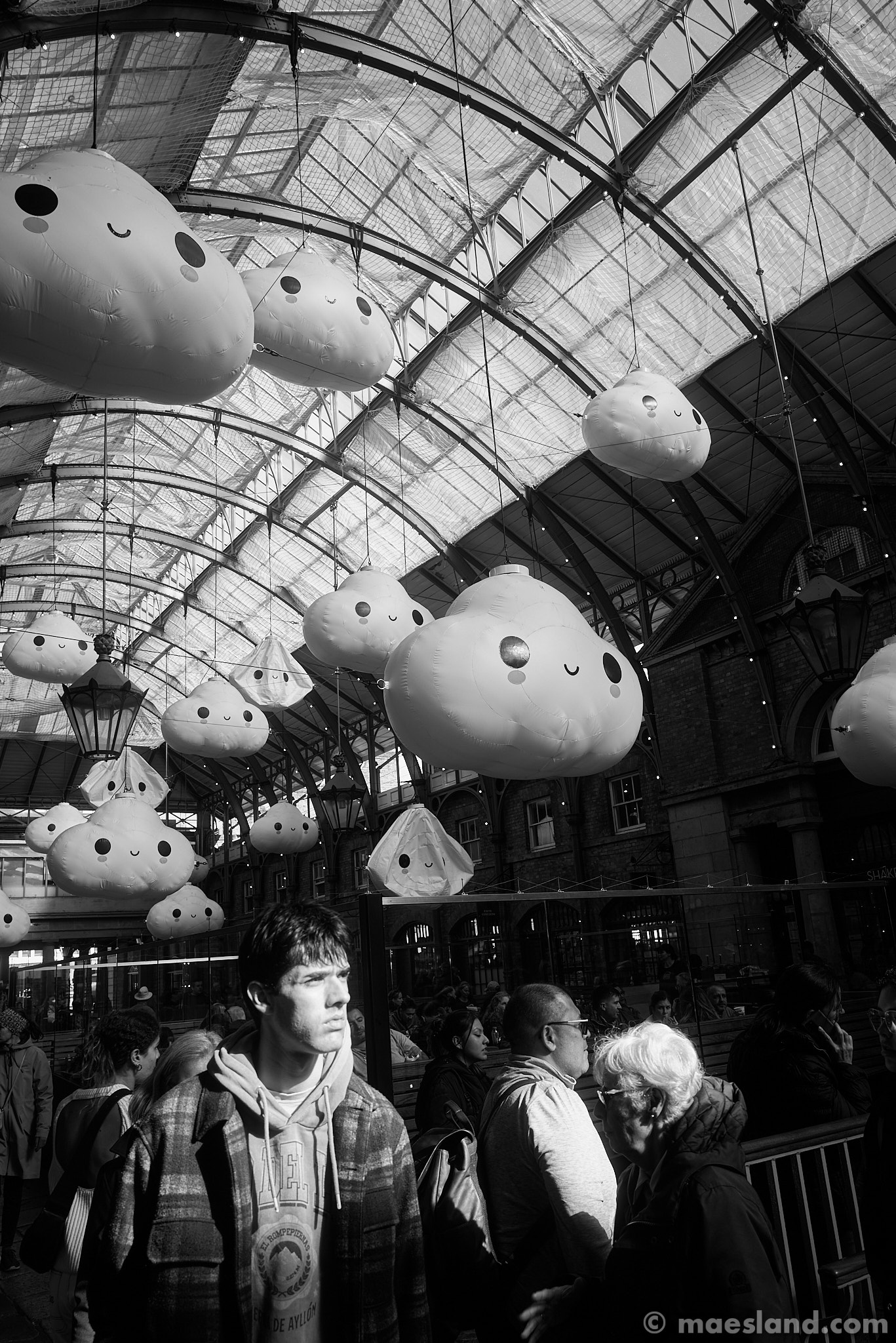
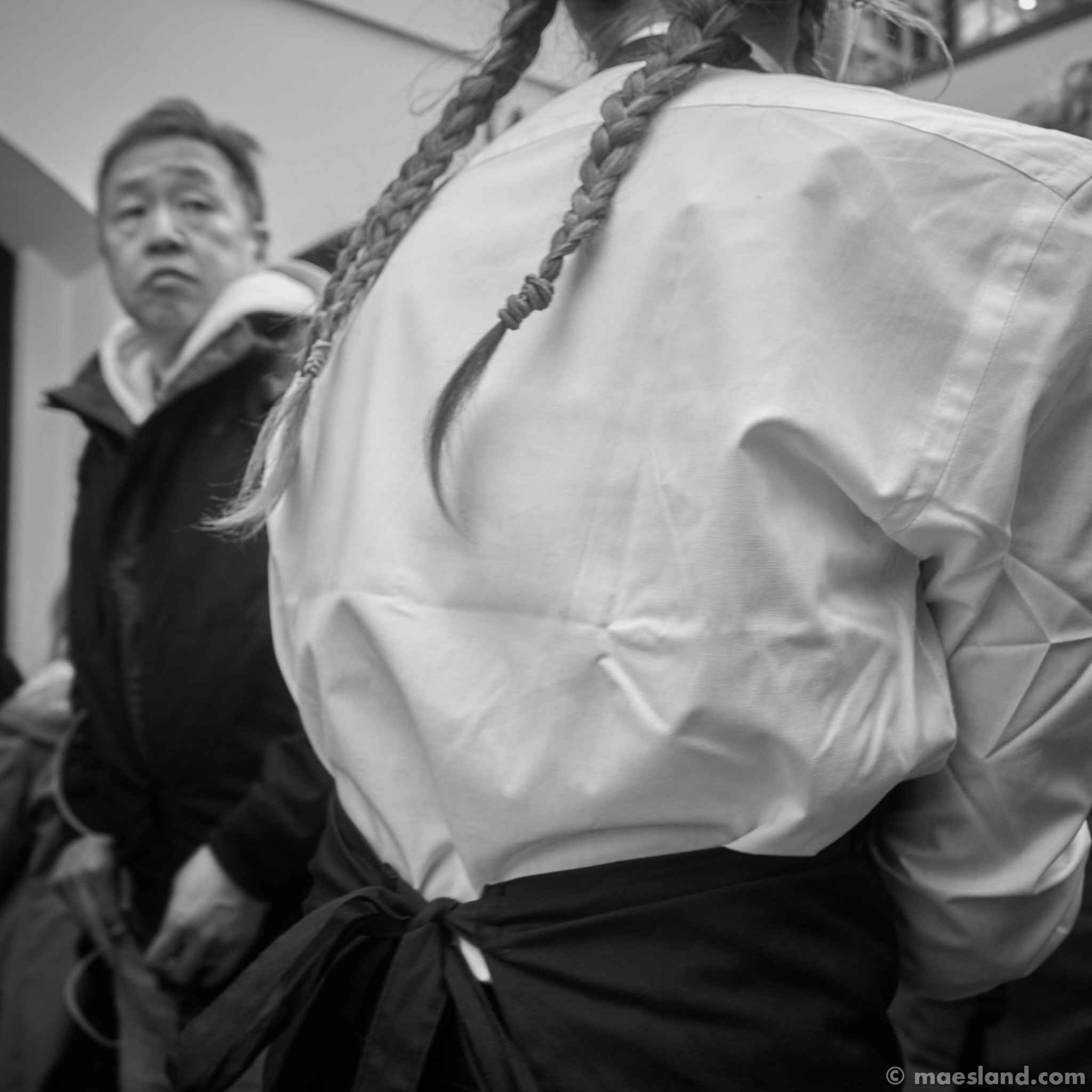
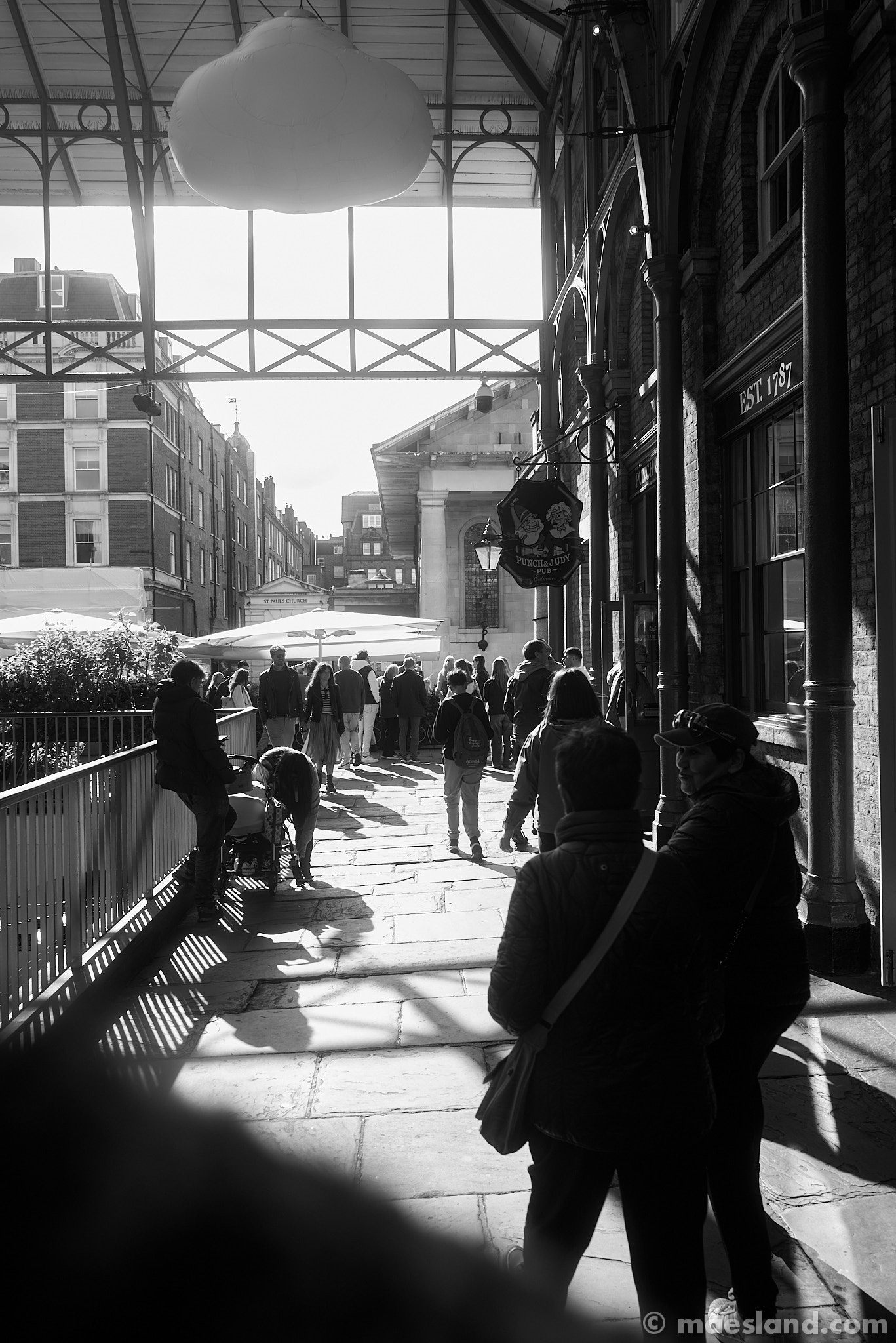
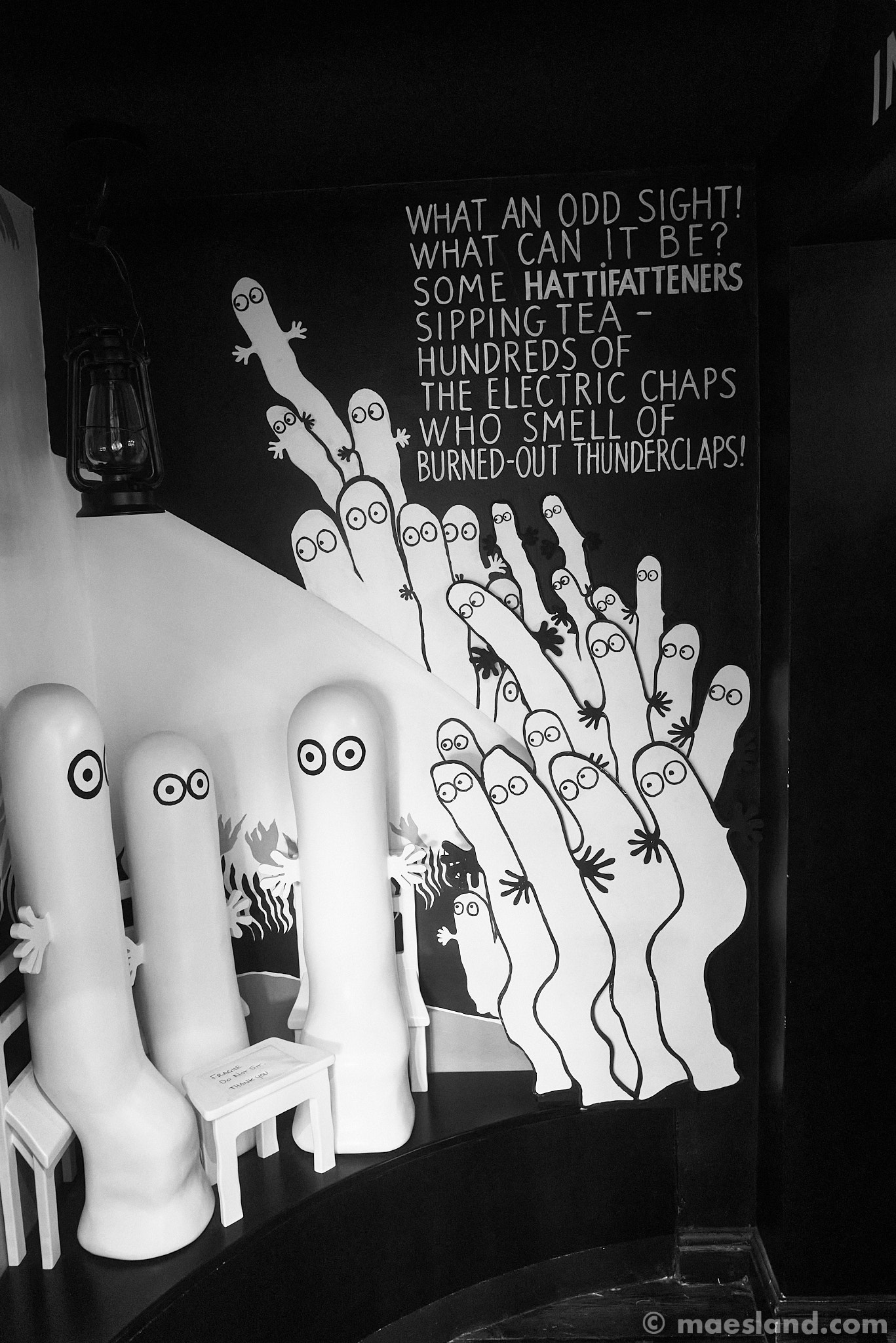
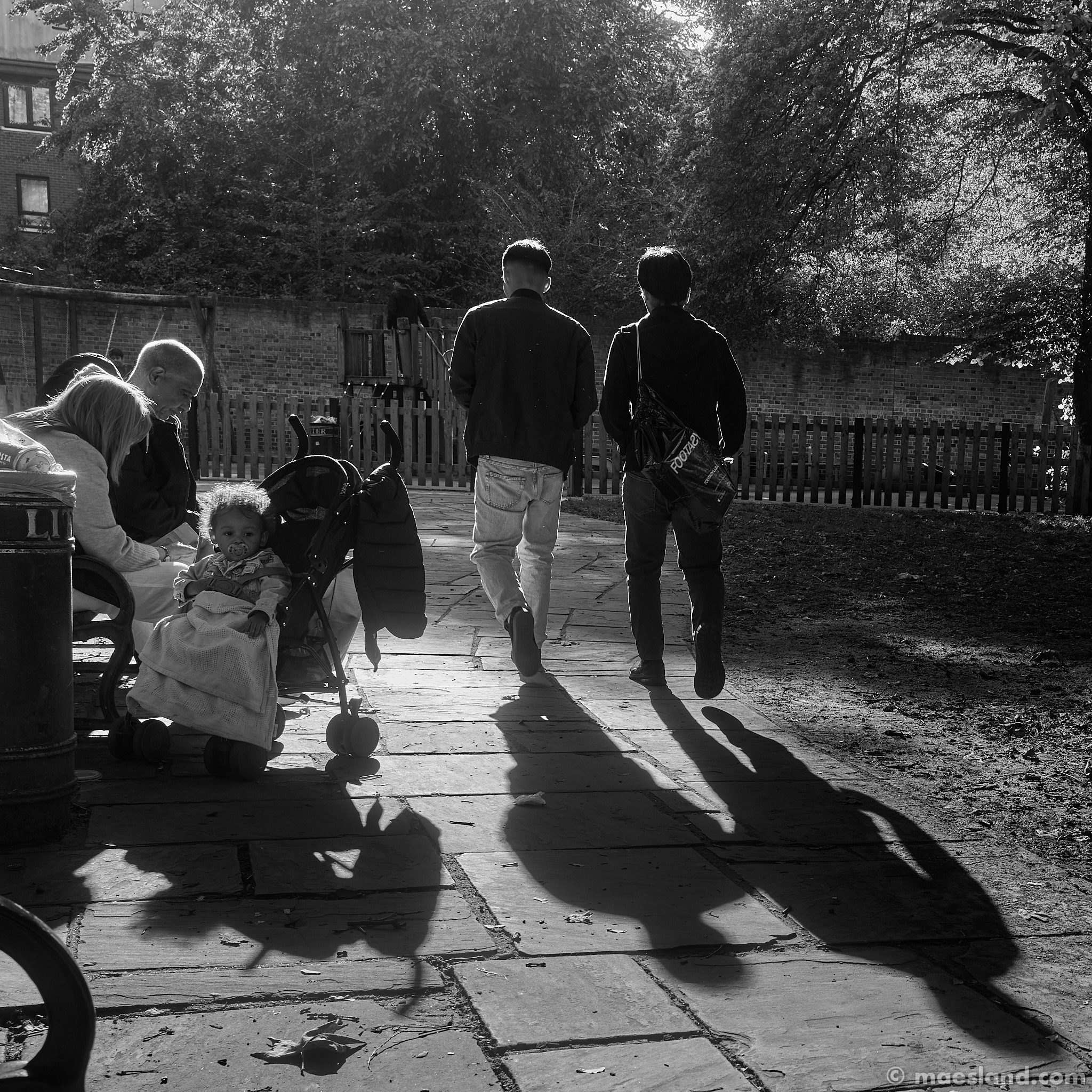
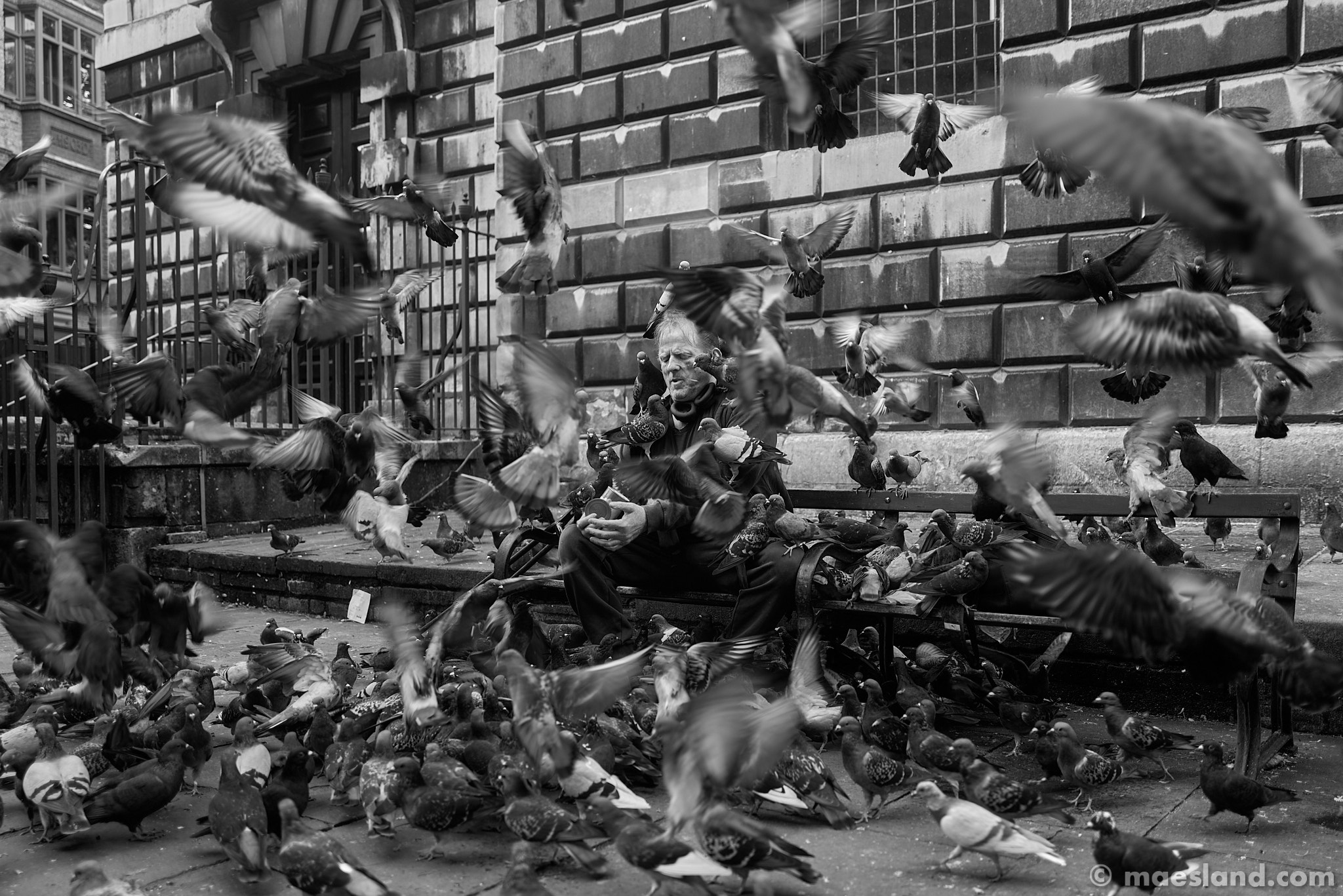
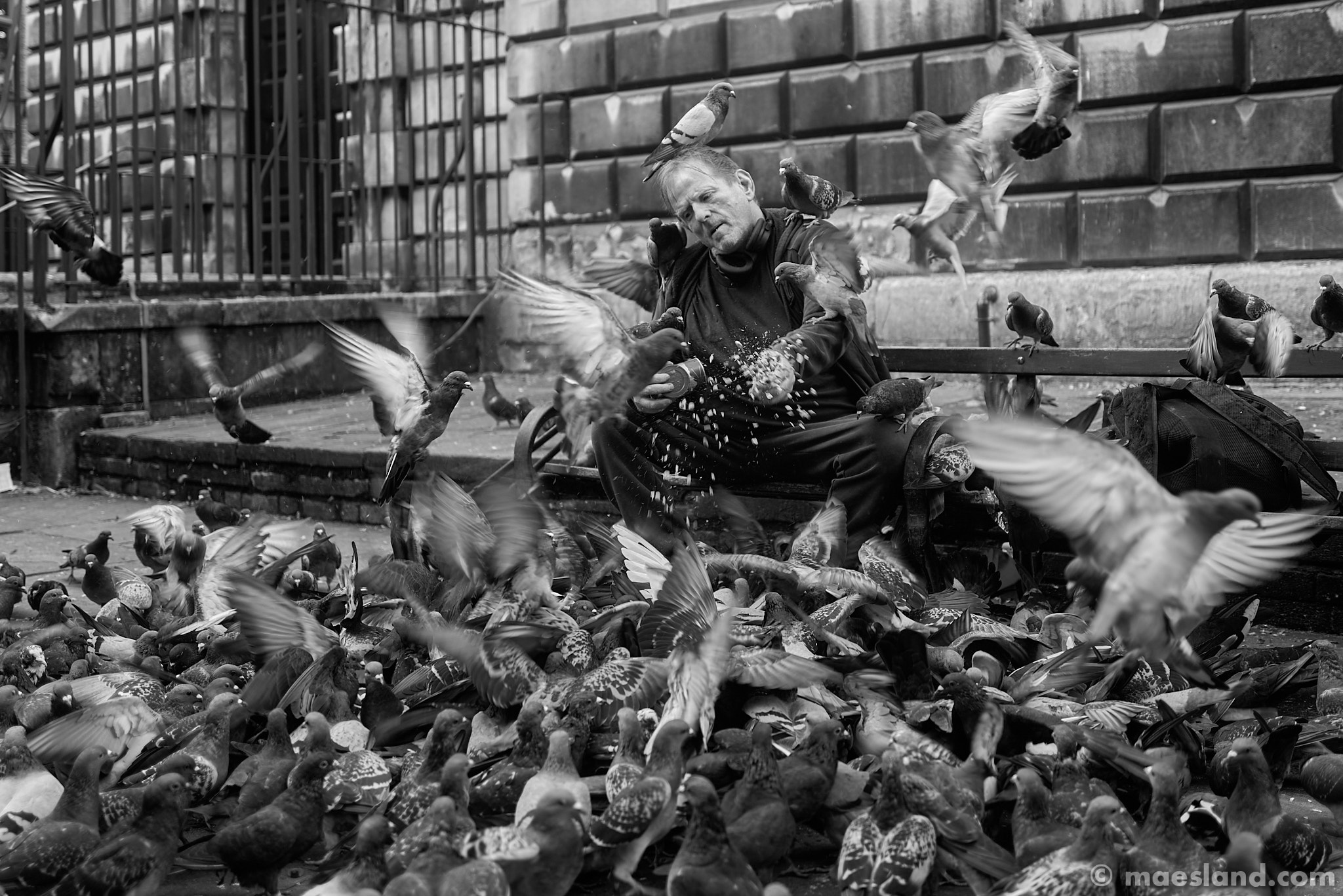
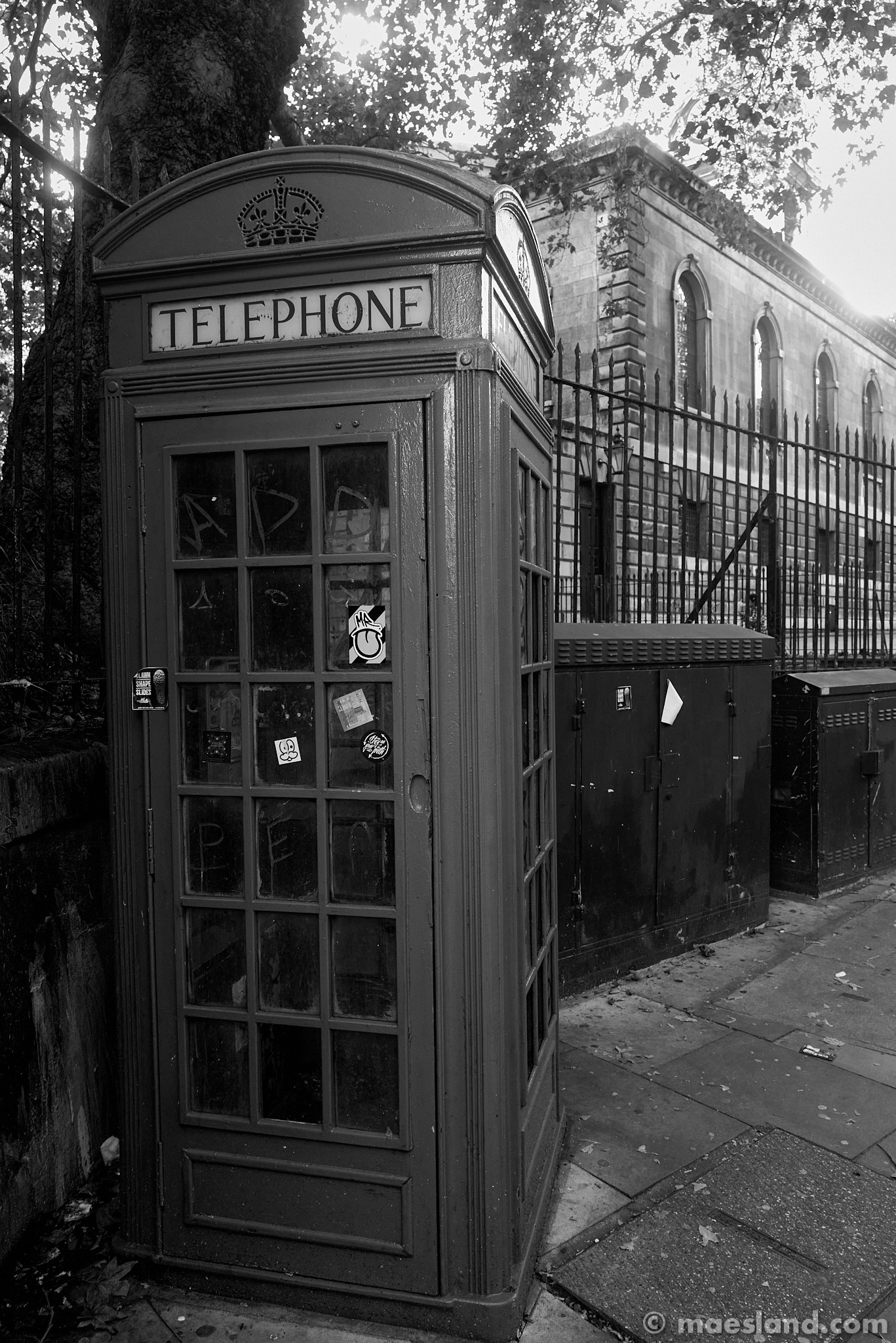
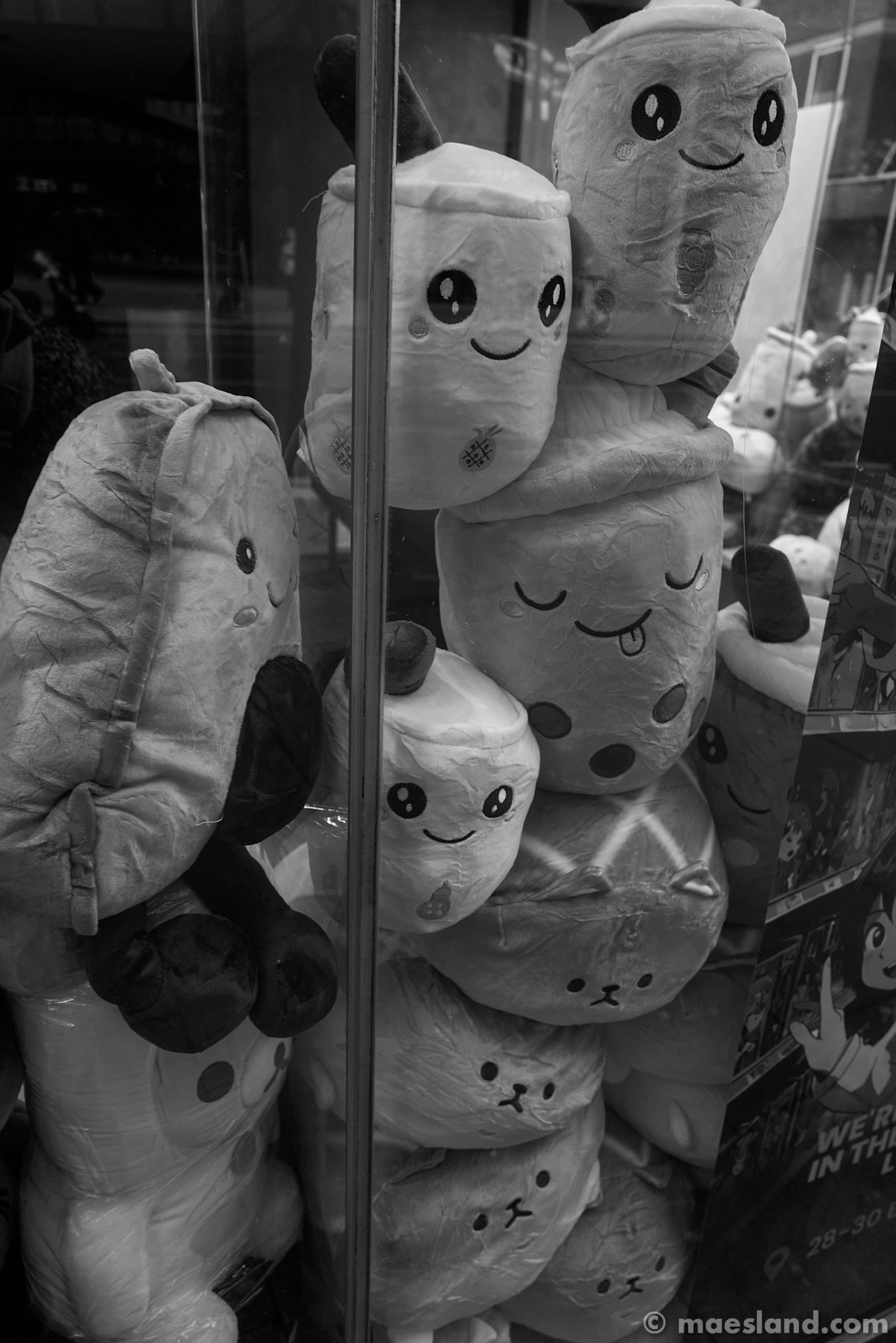
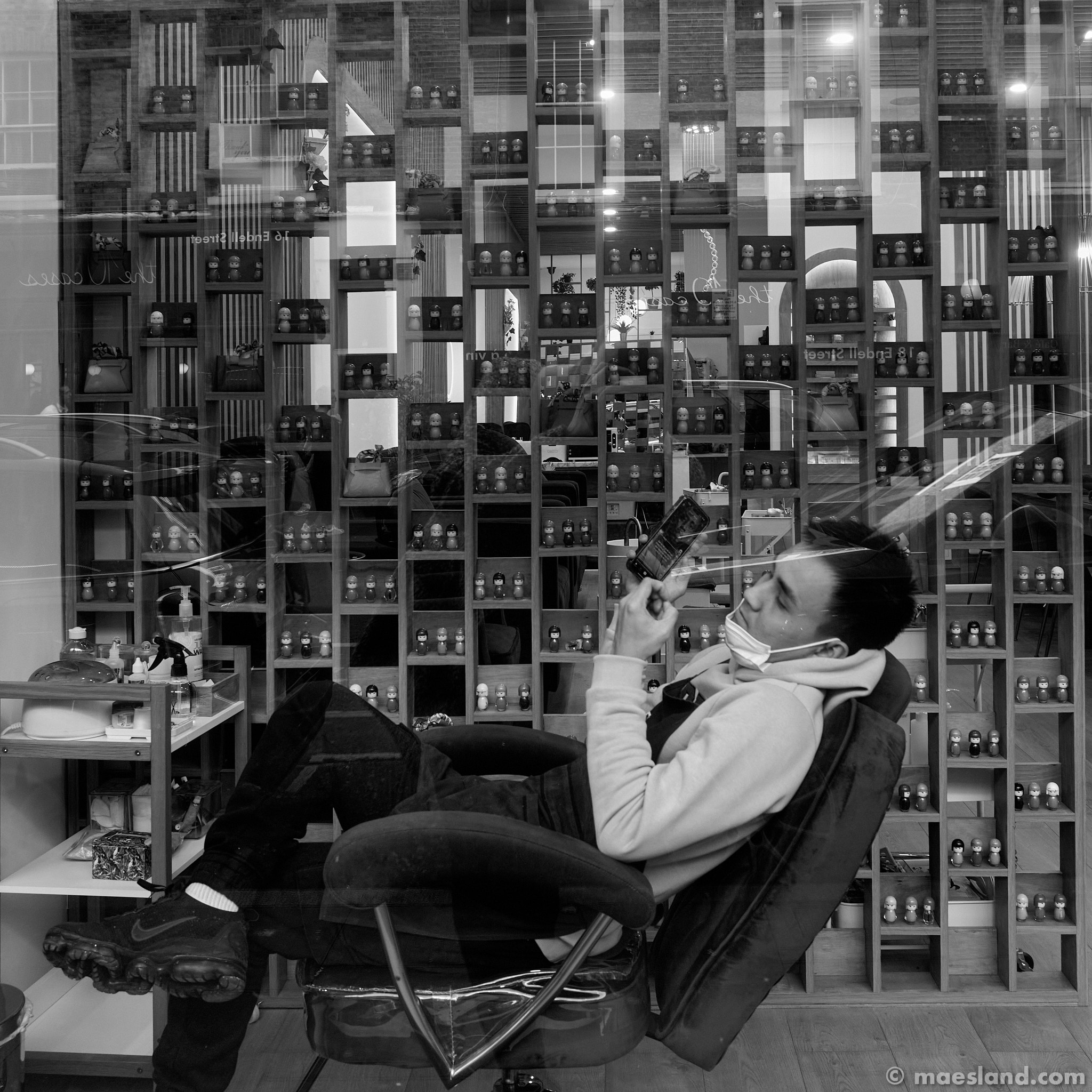
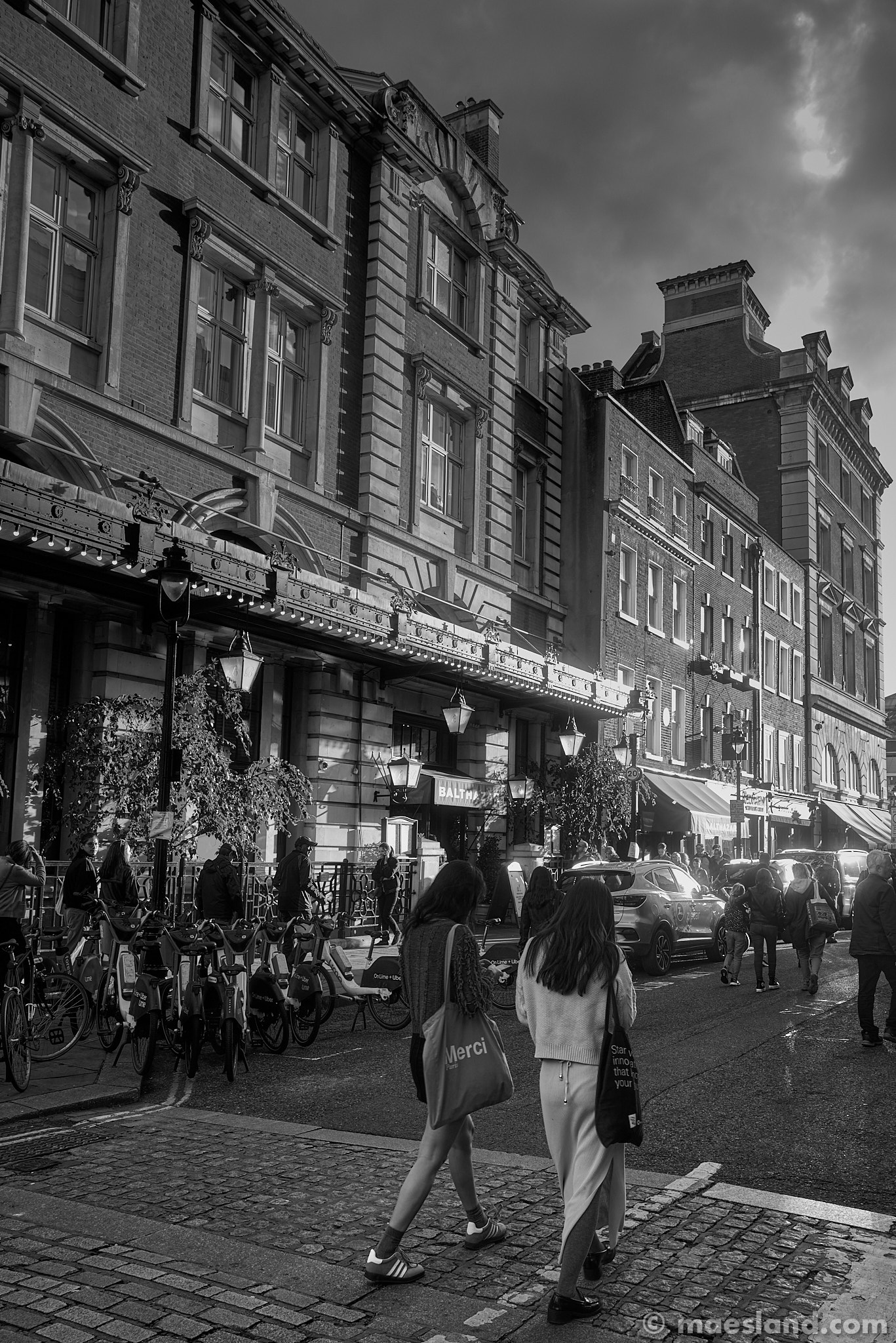
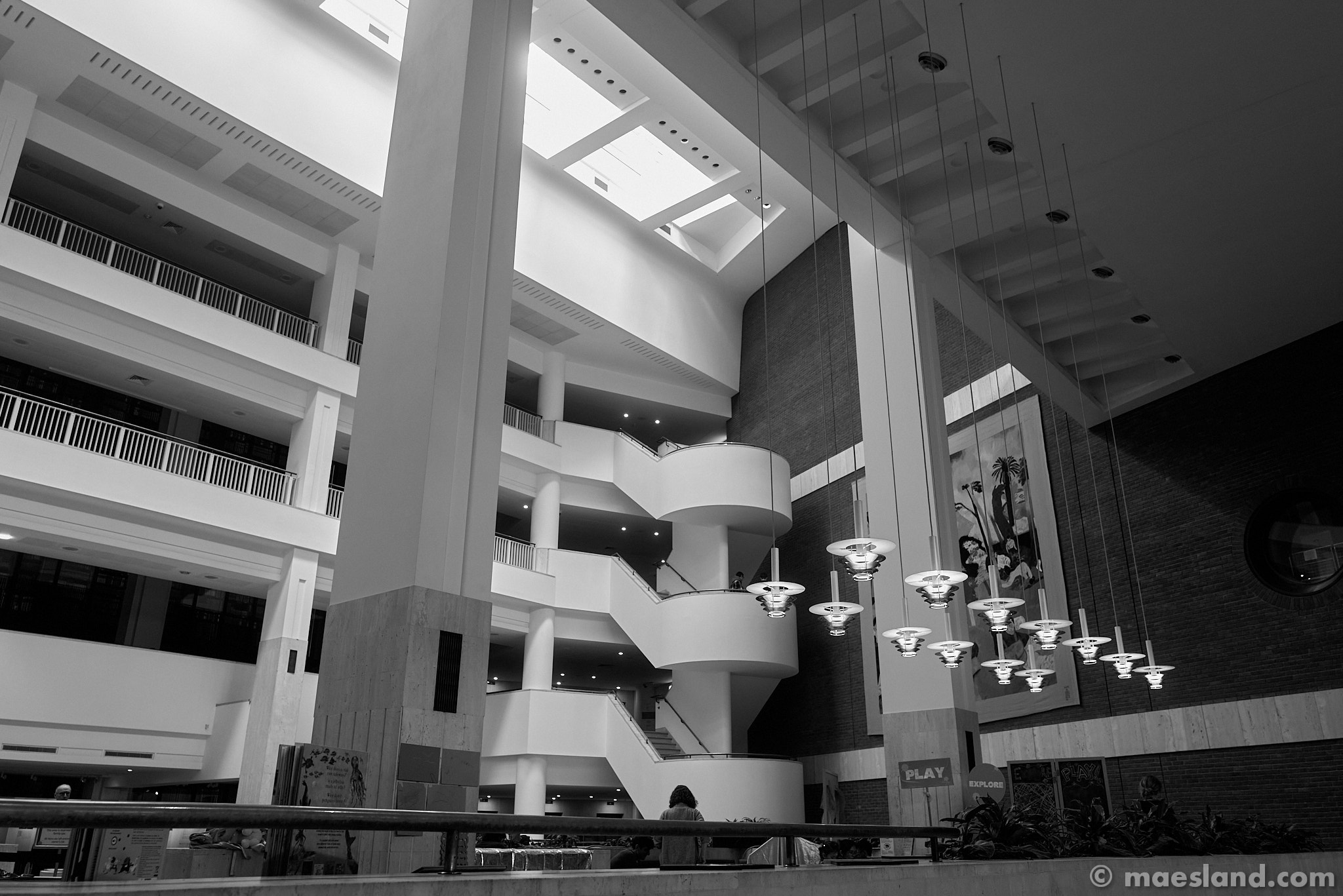
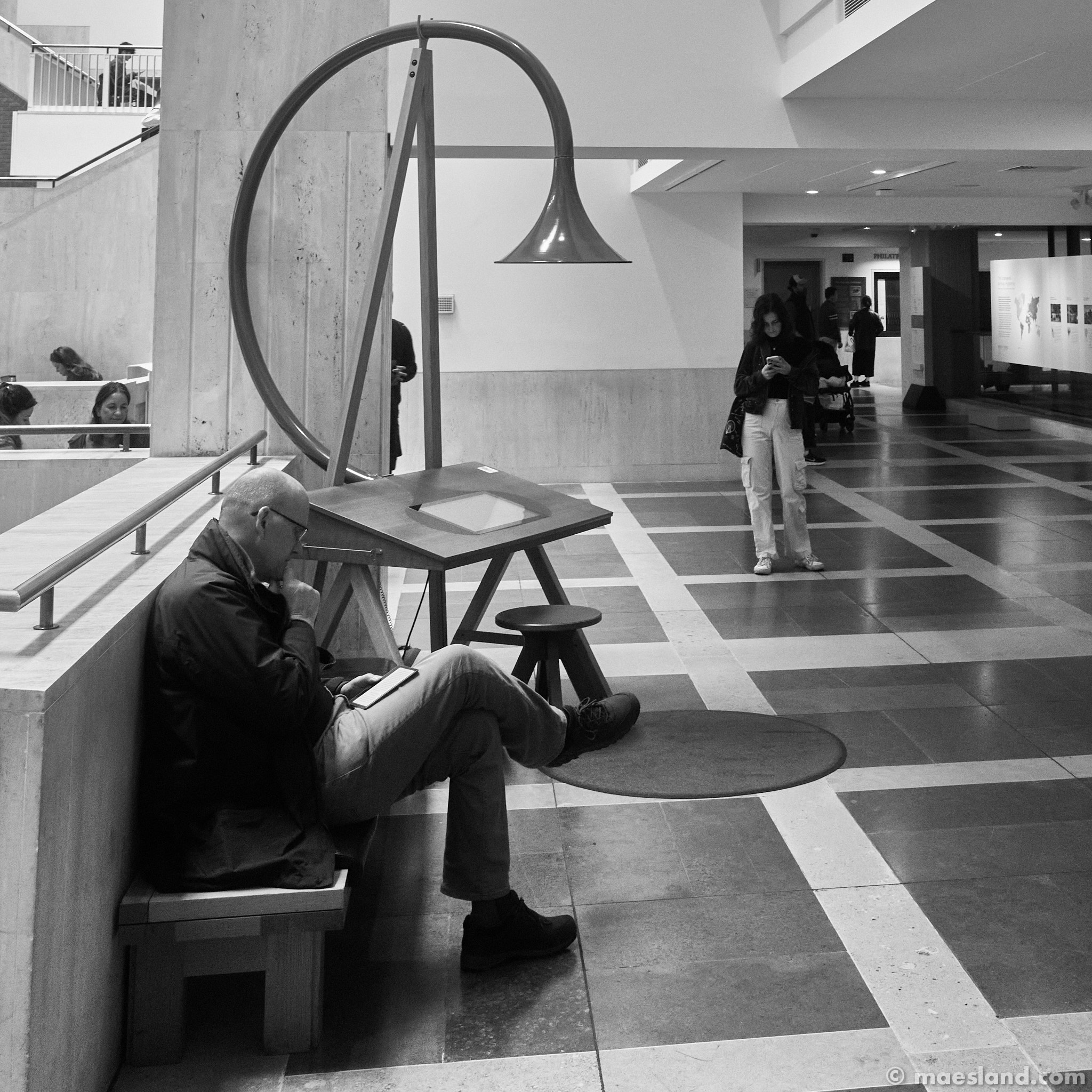
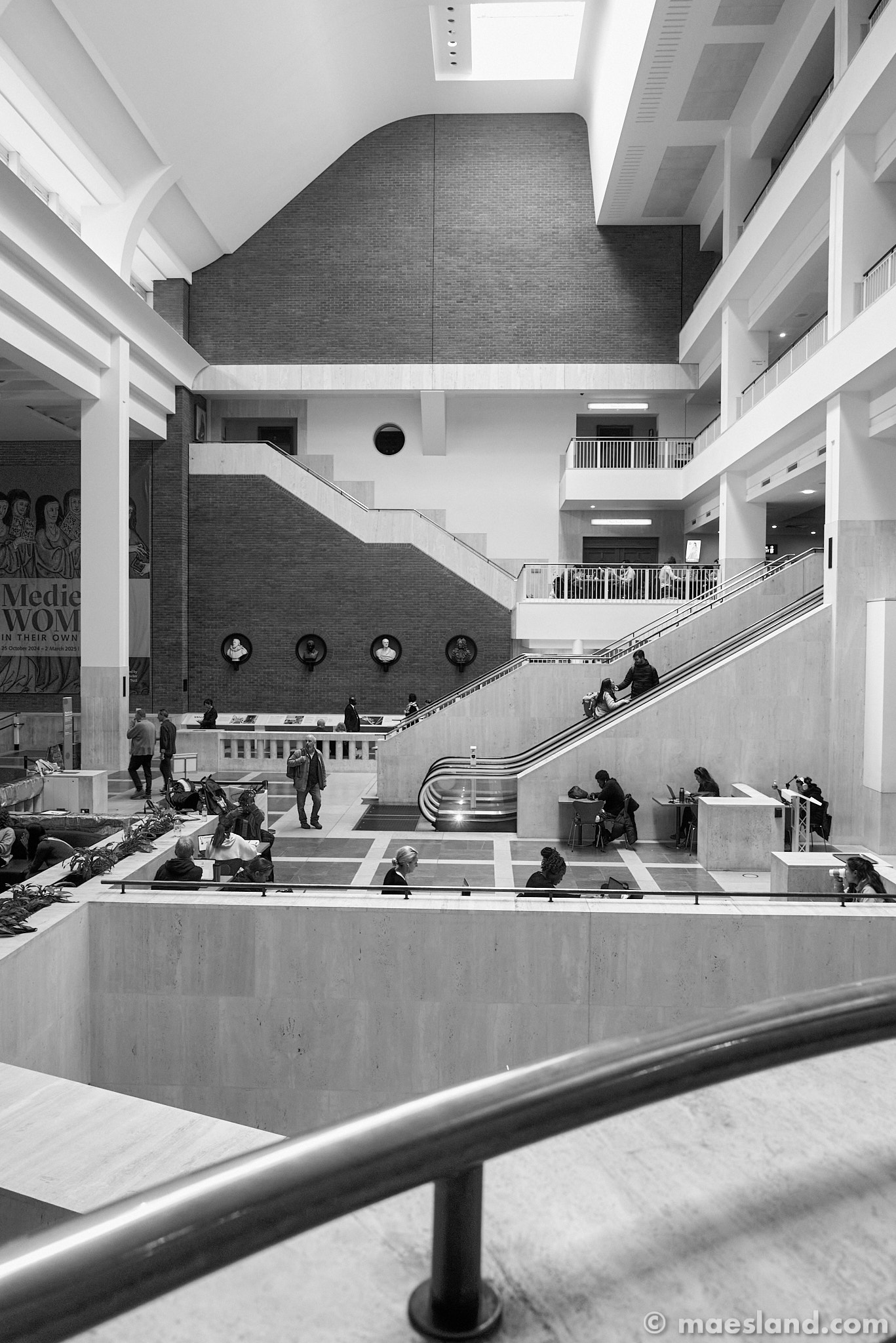
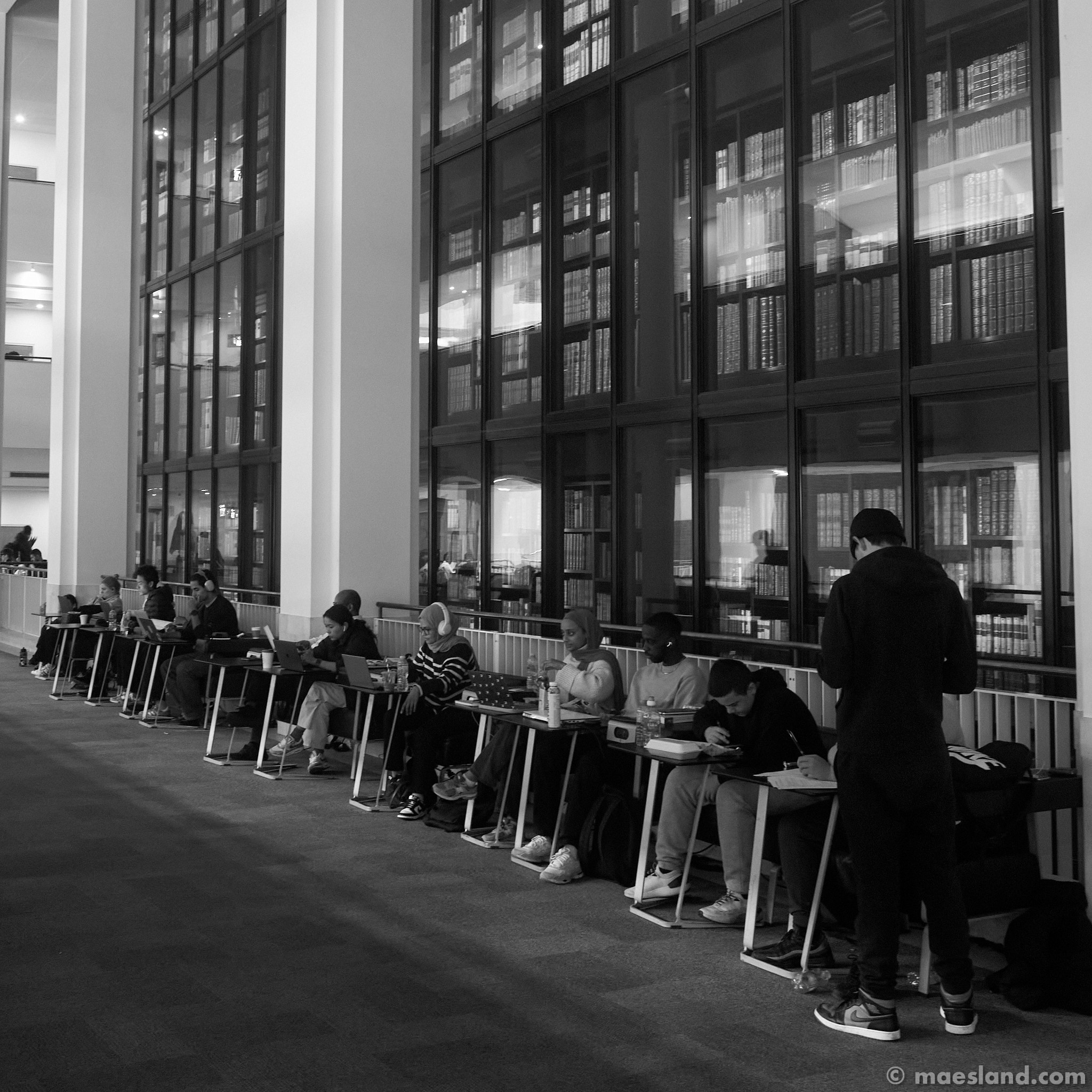
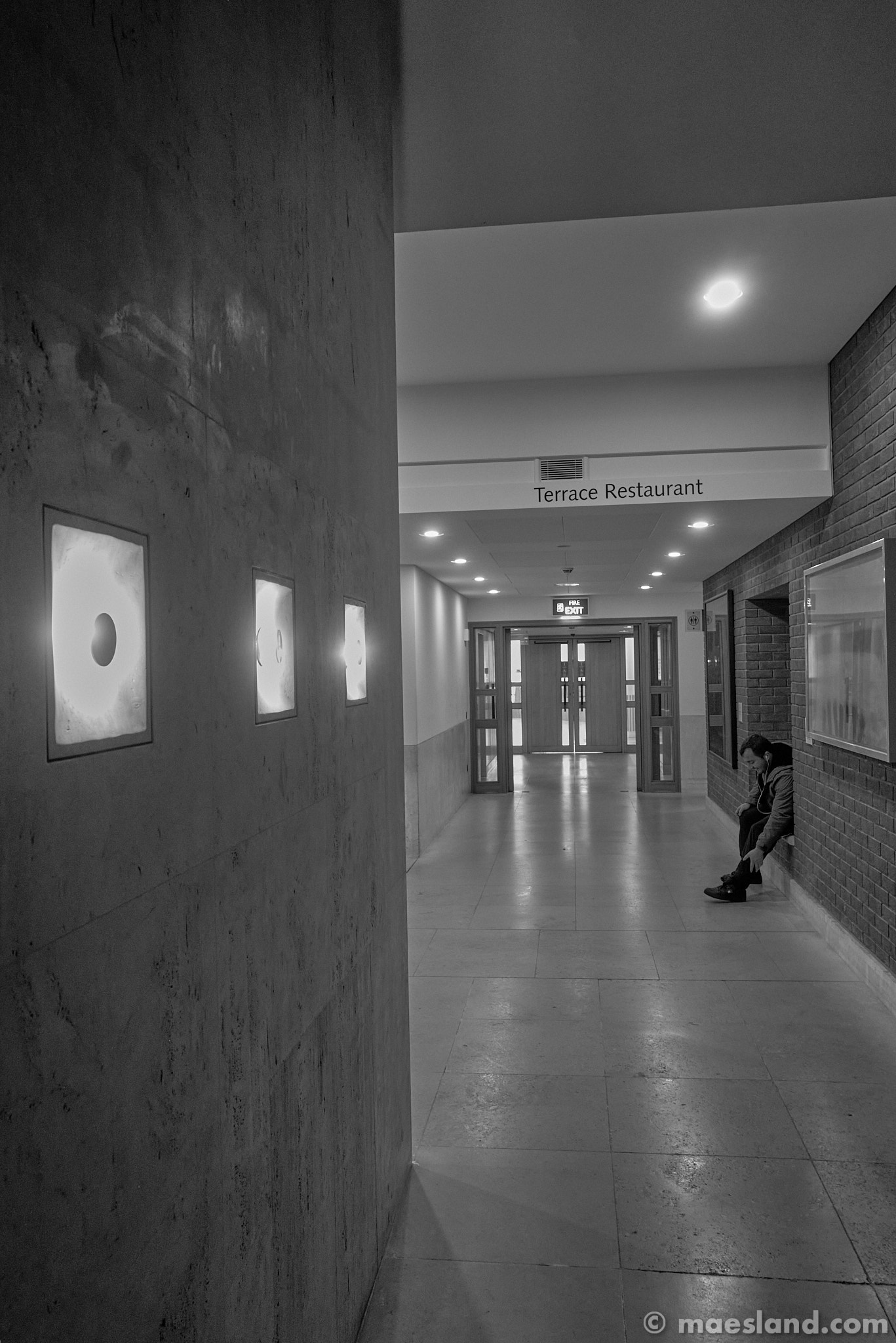
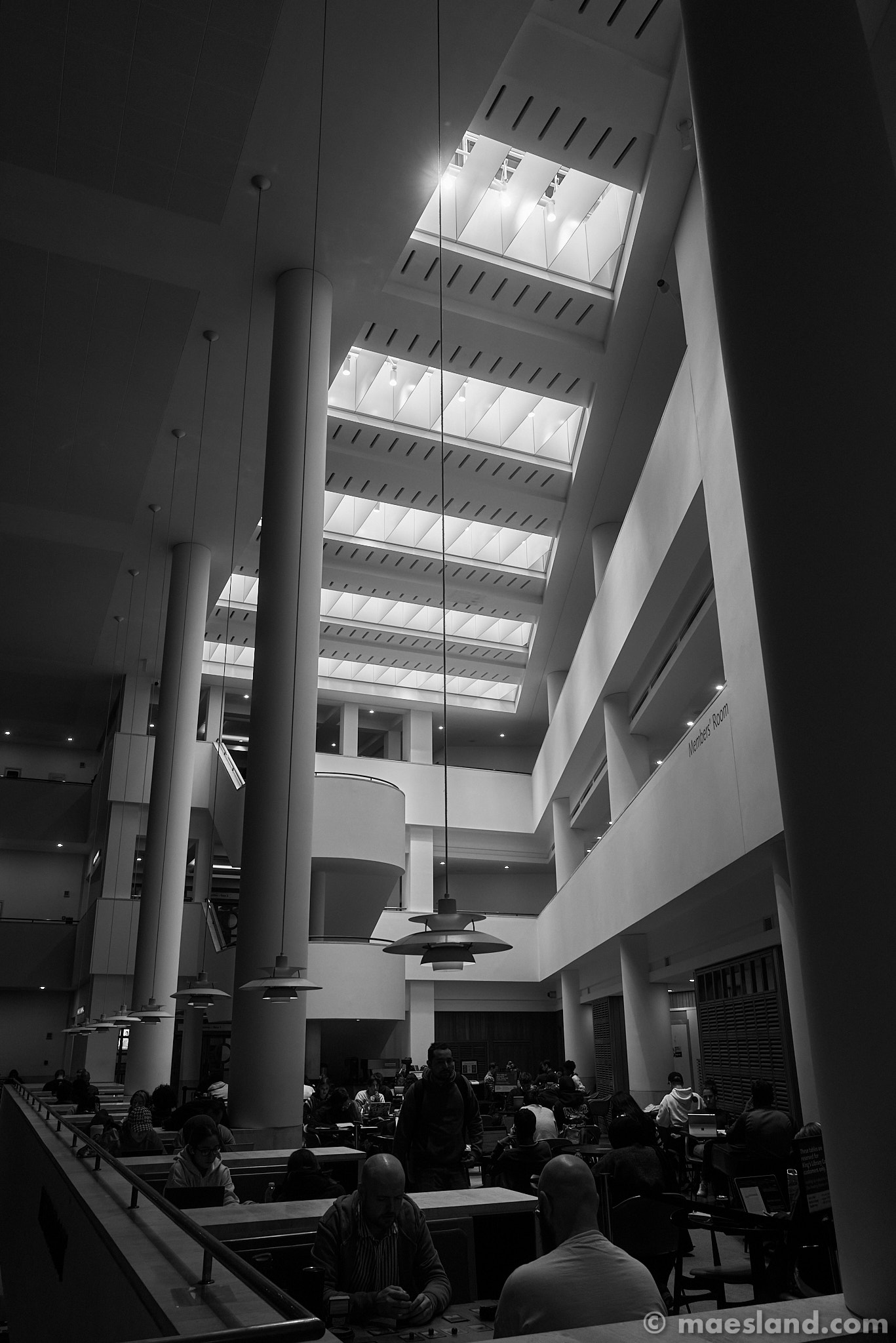
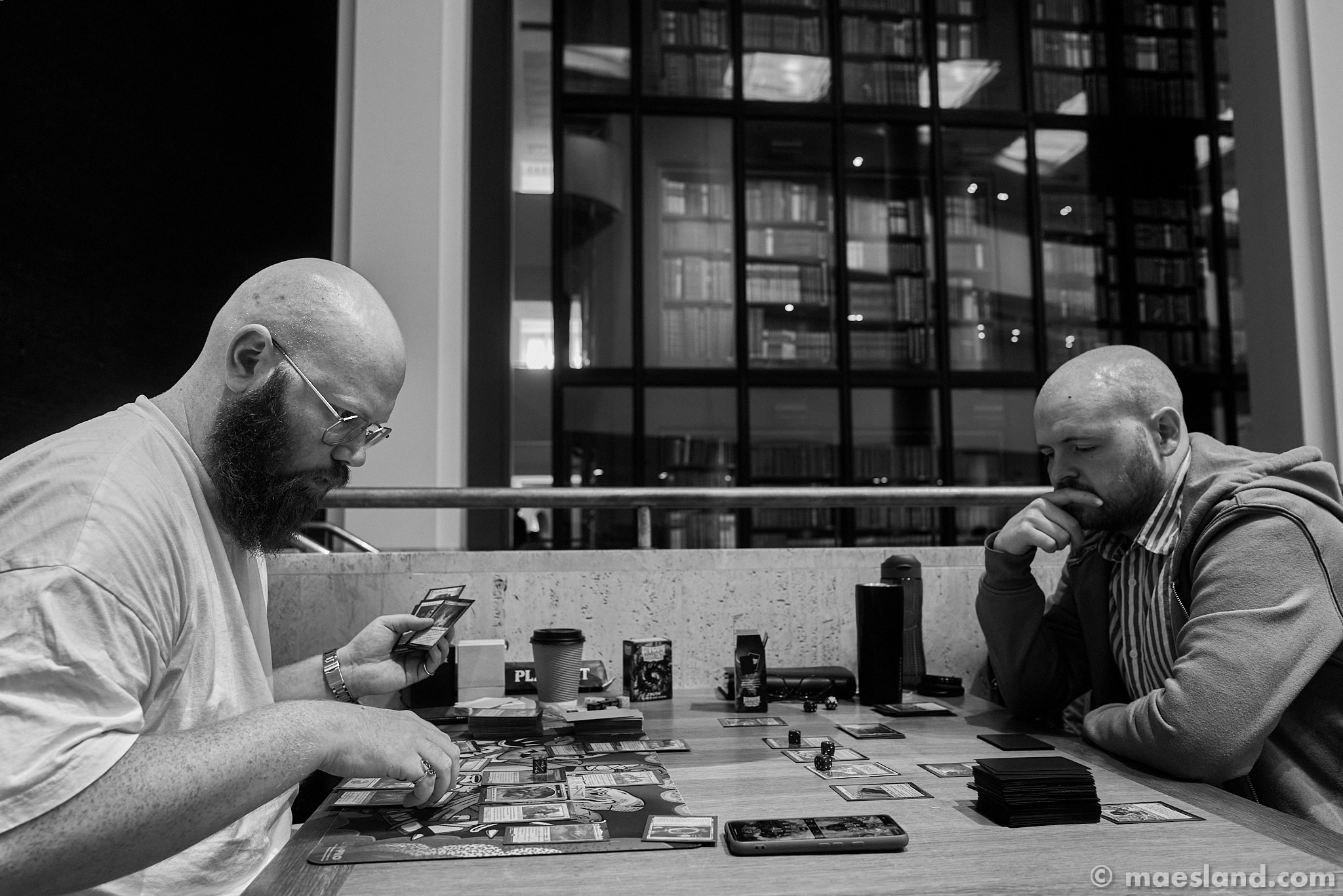
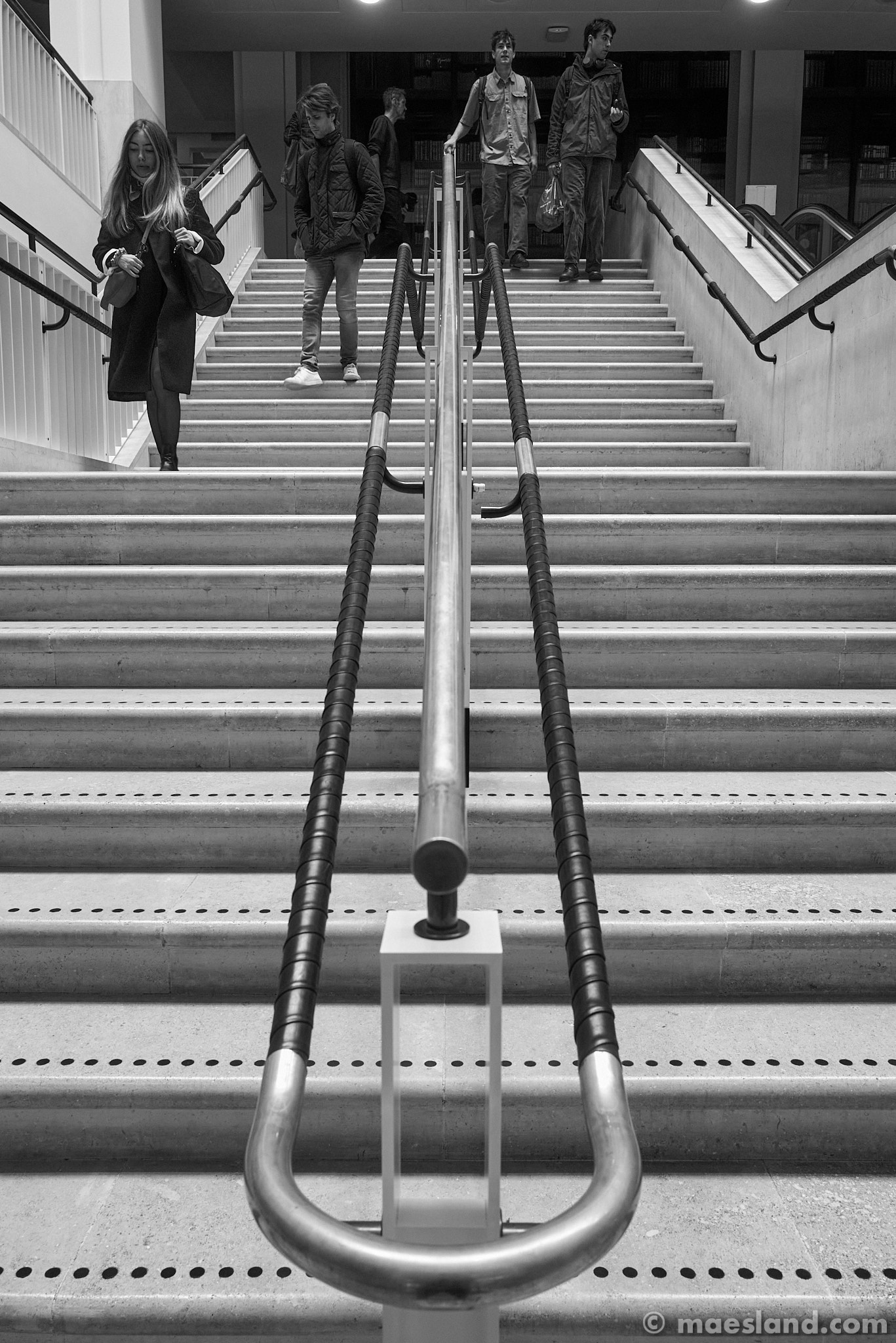
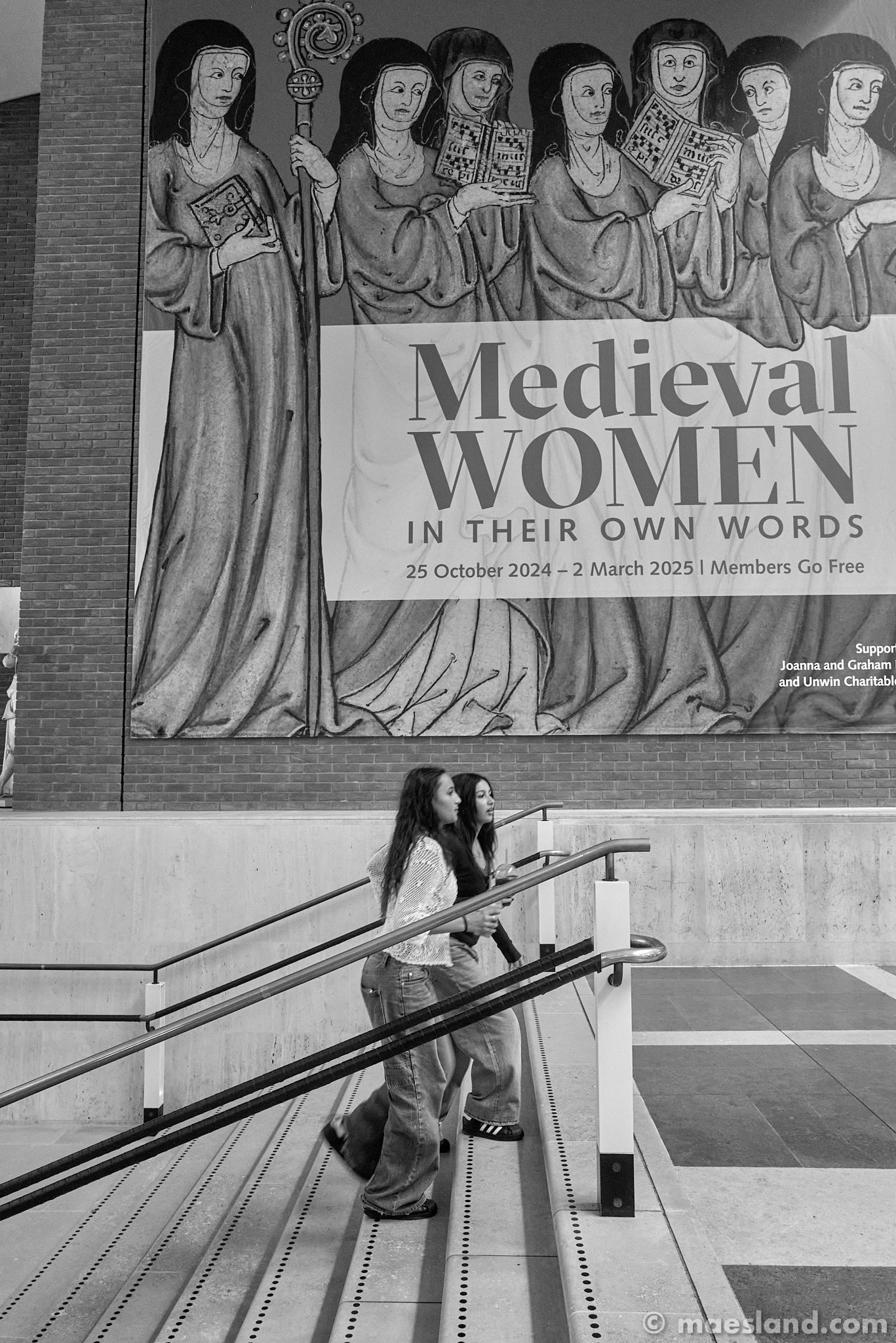
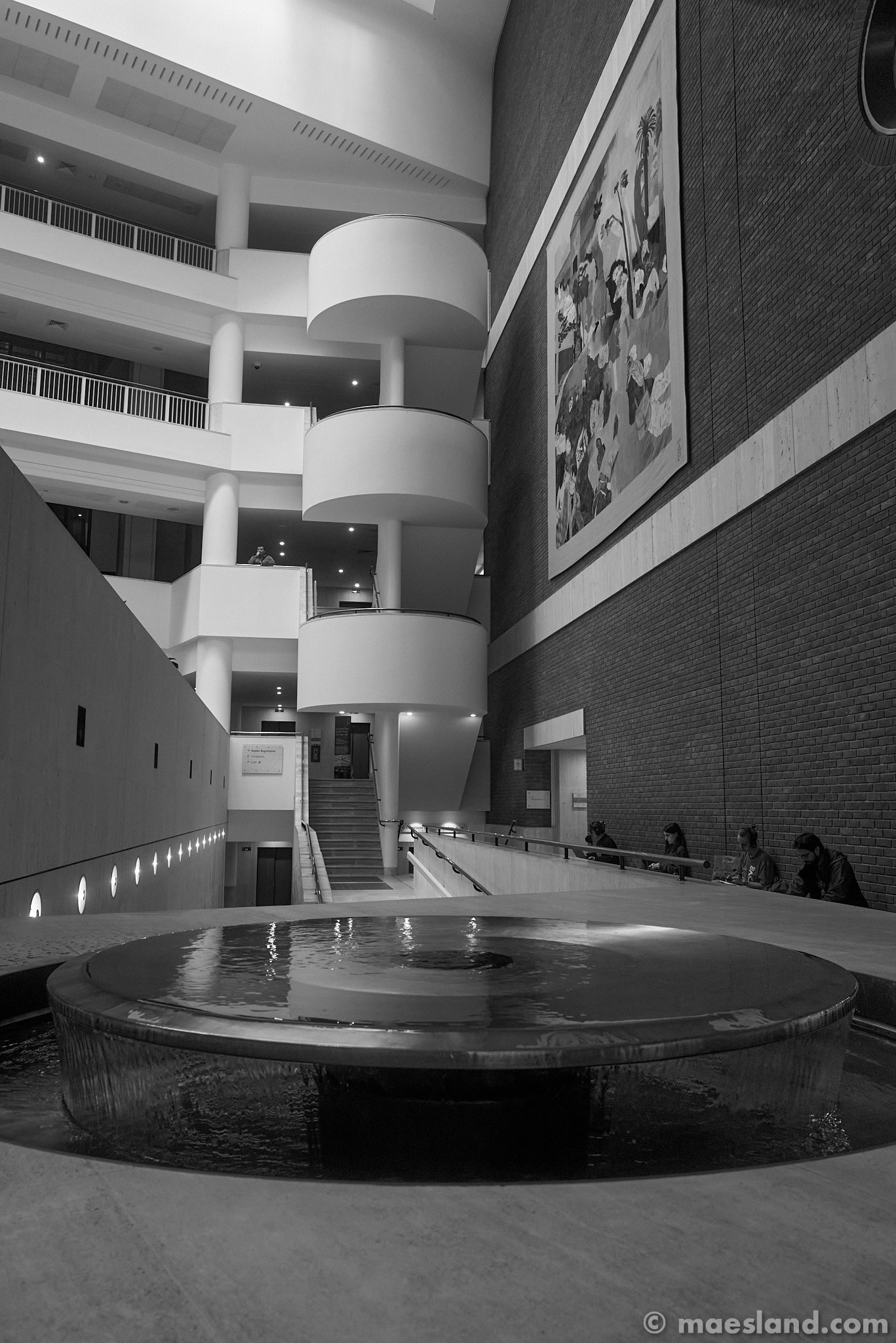
London, September 2024
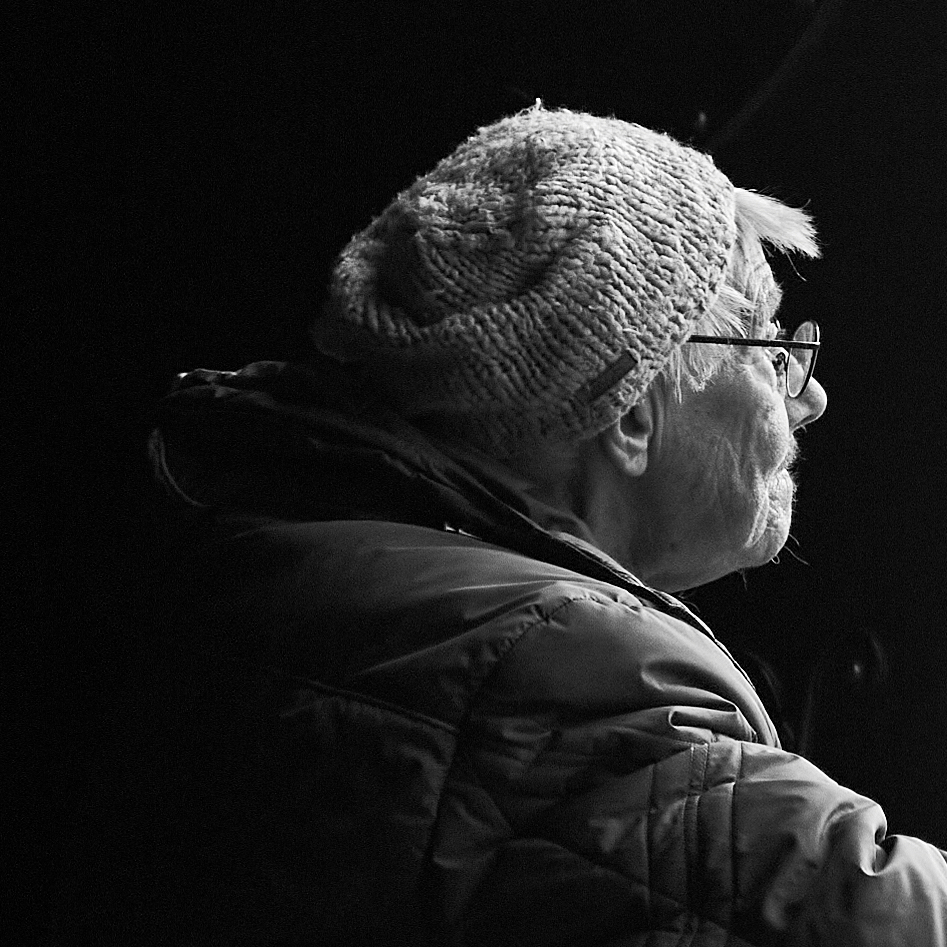
Maesland
Black and white street photography
 Maesland